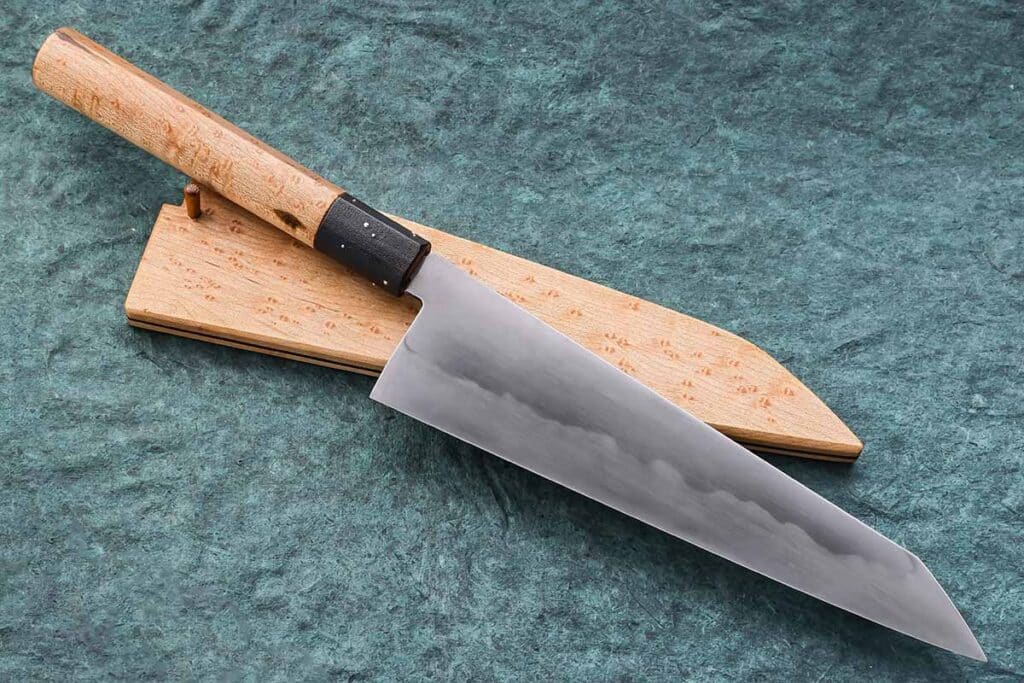
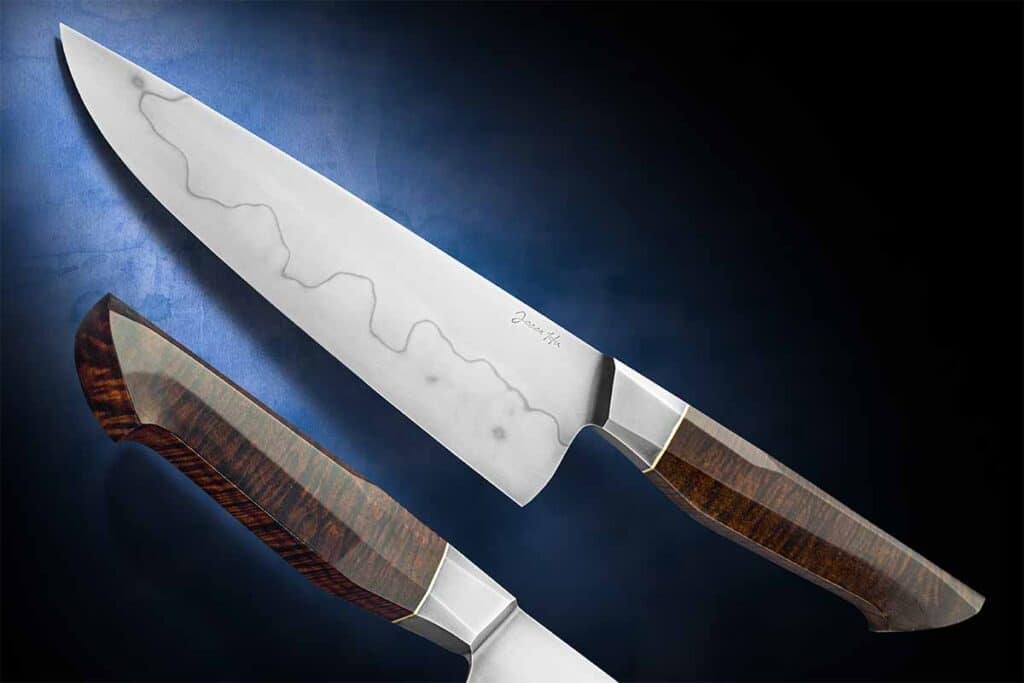
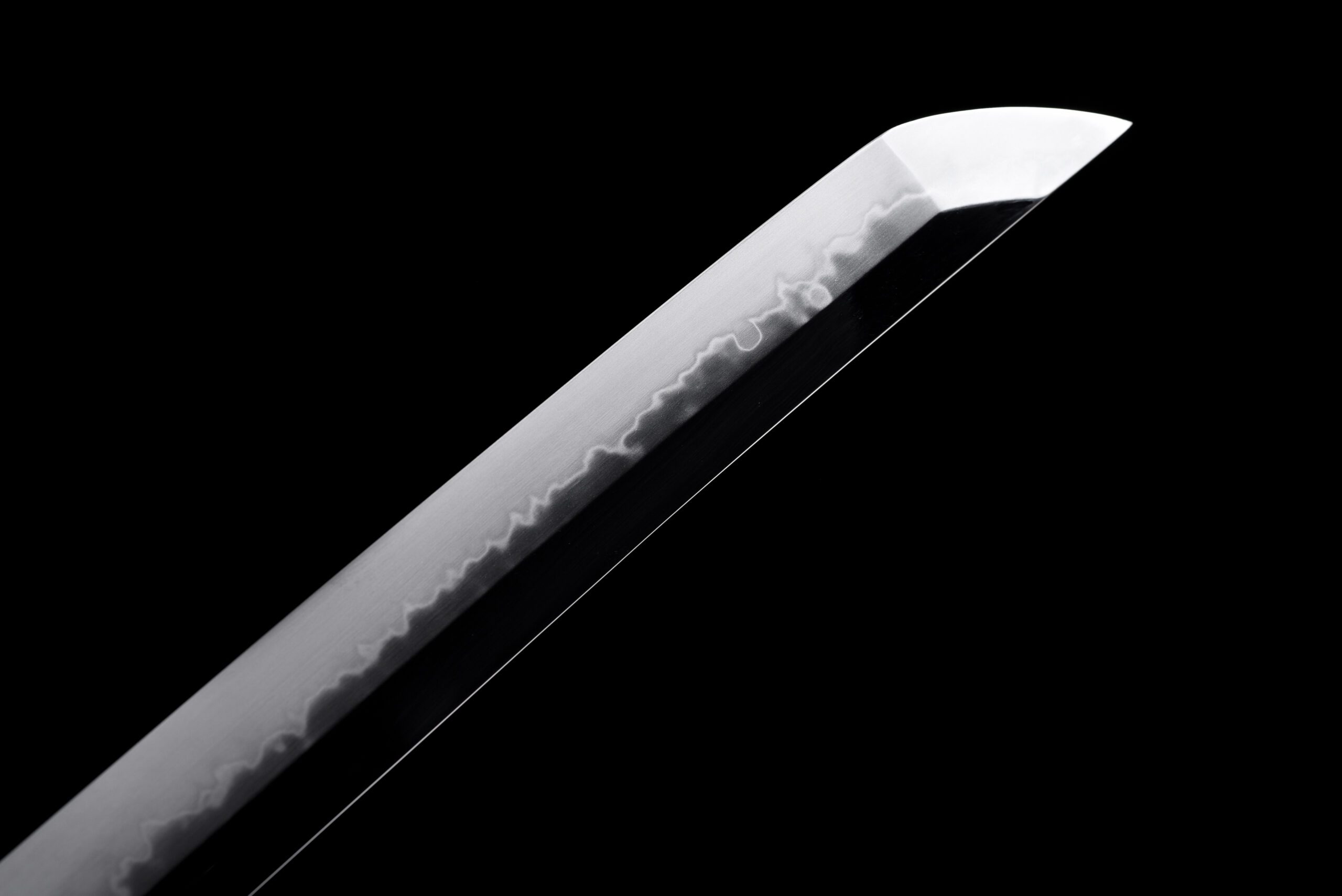
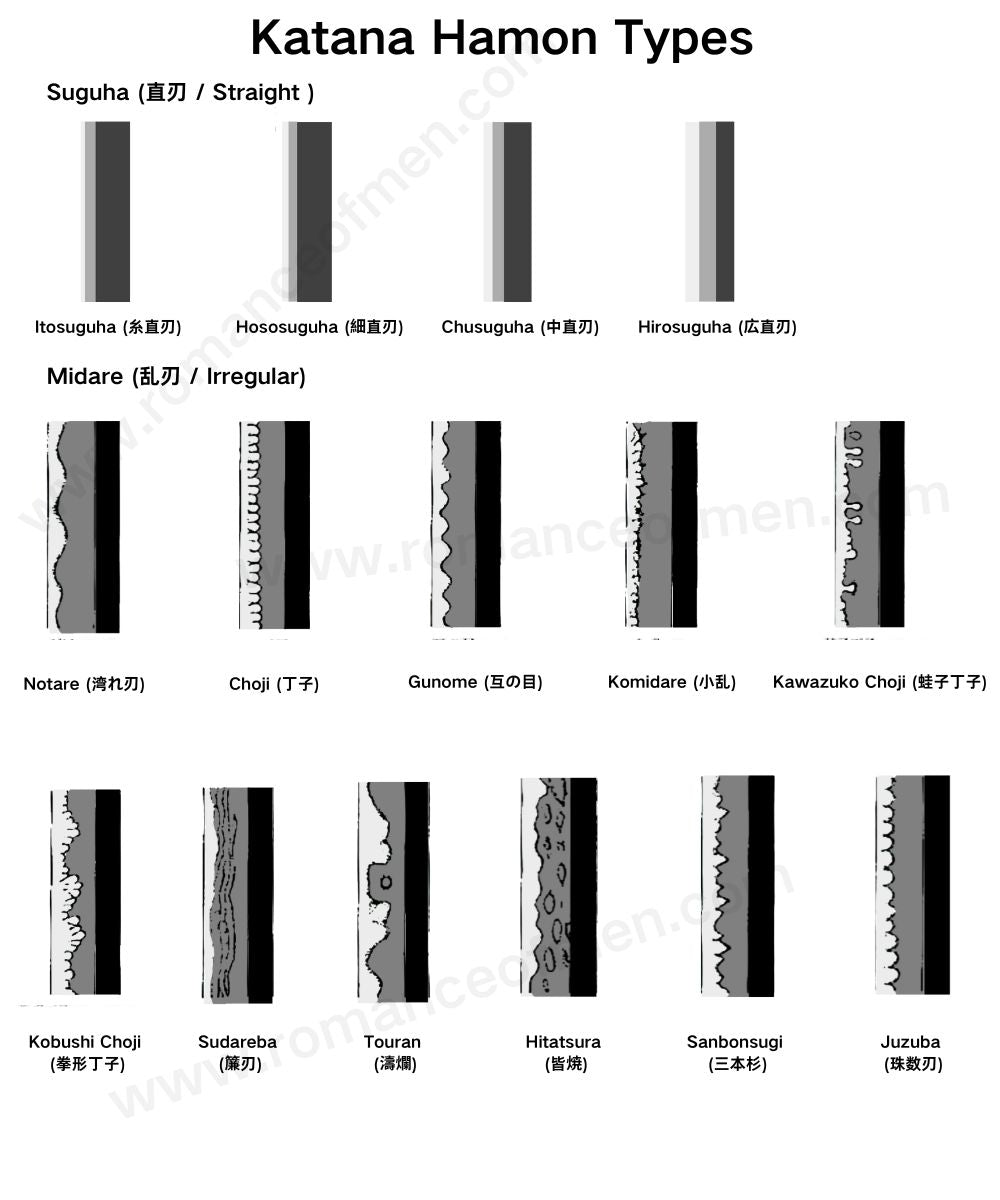
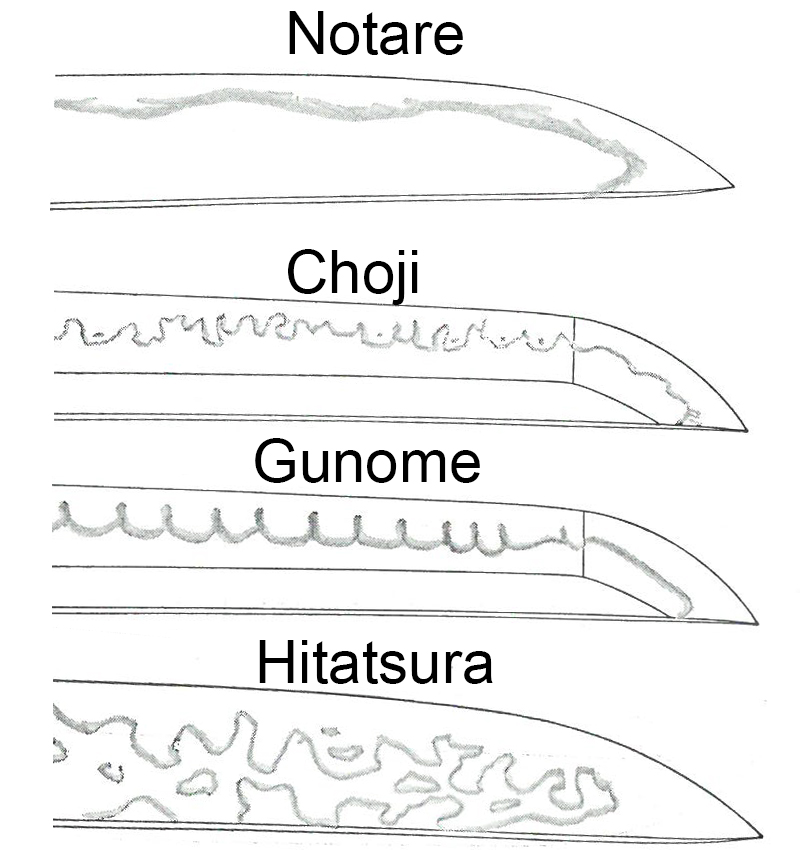
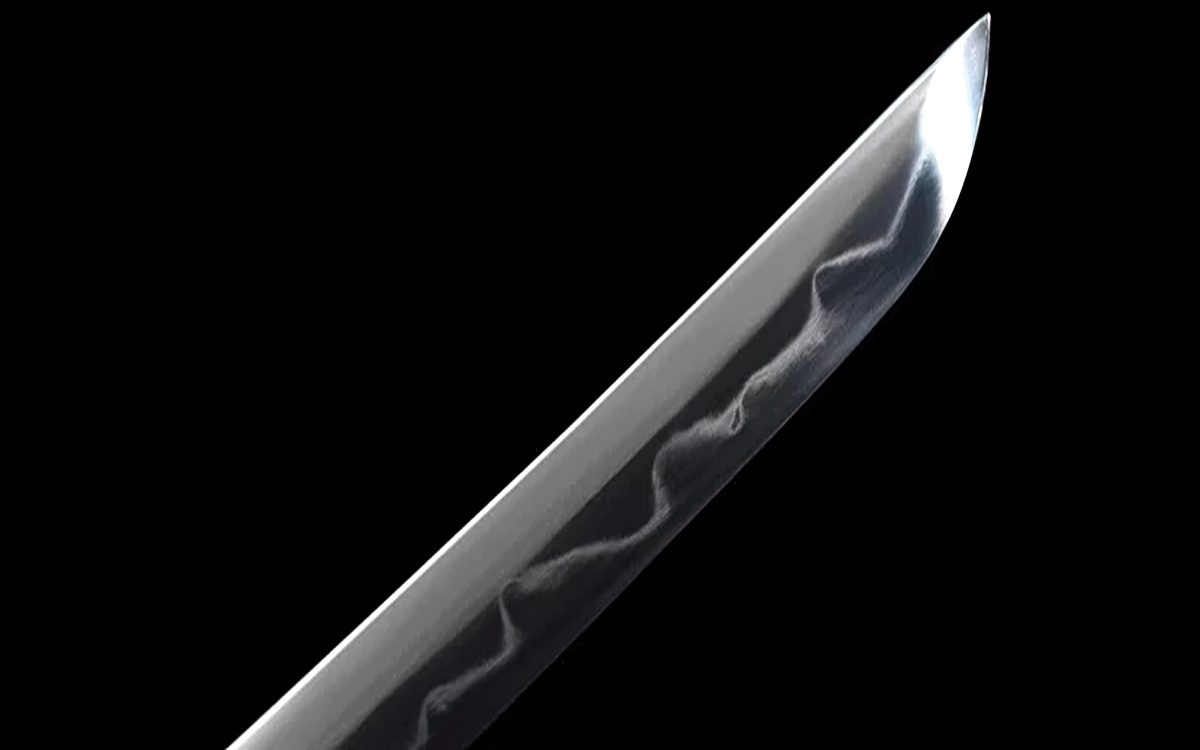
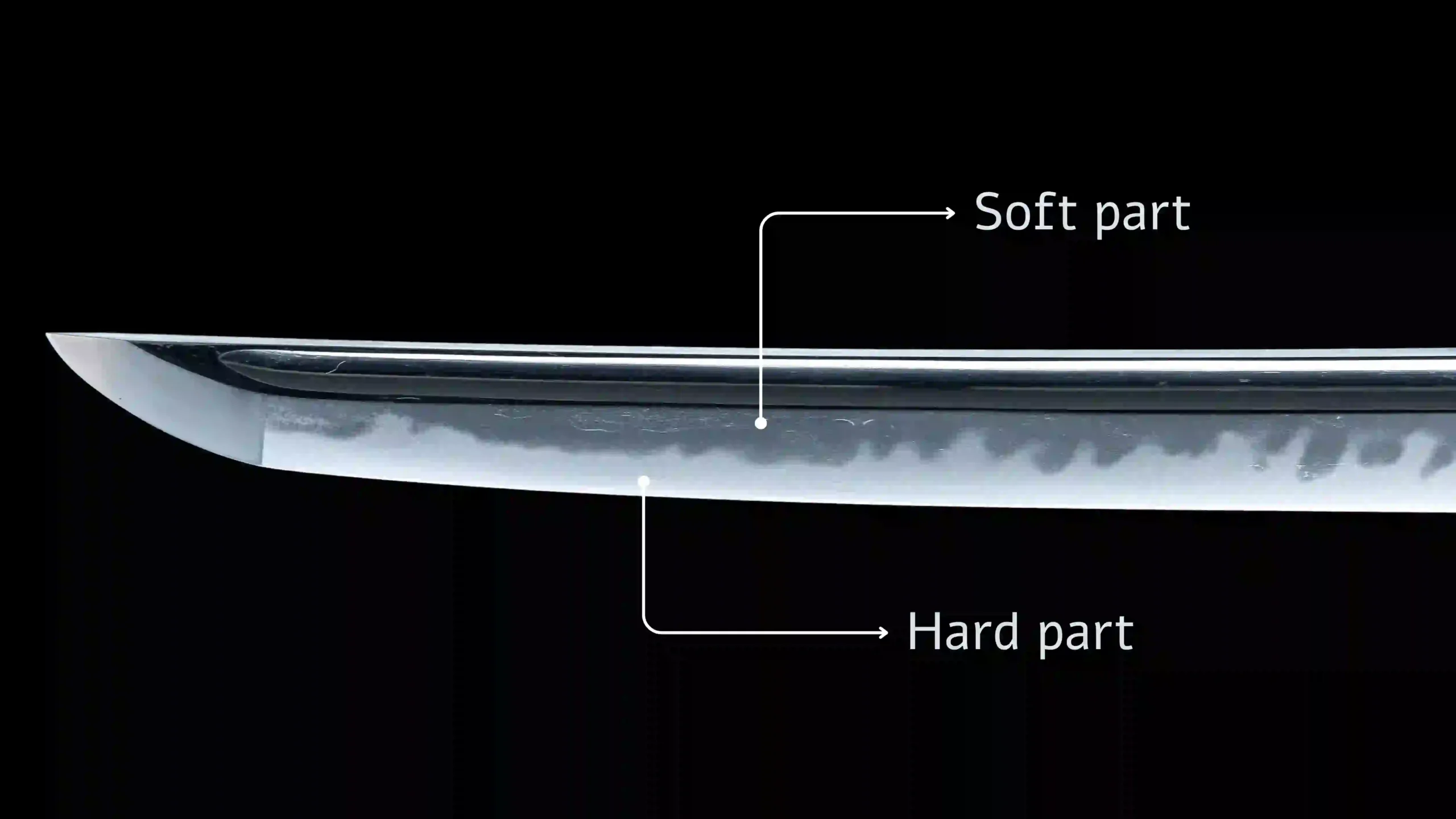
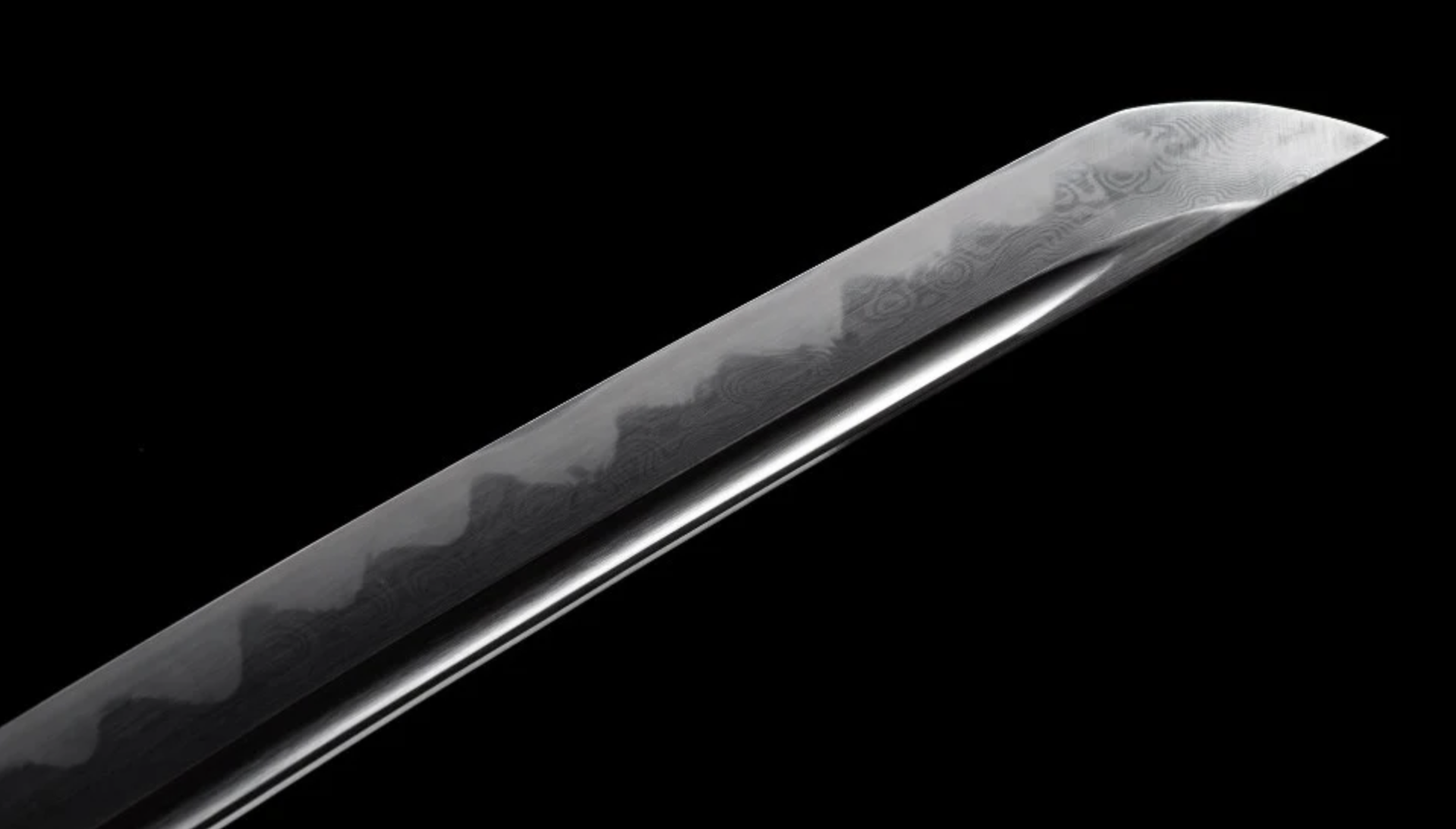
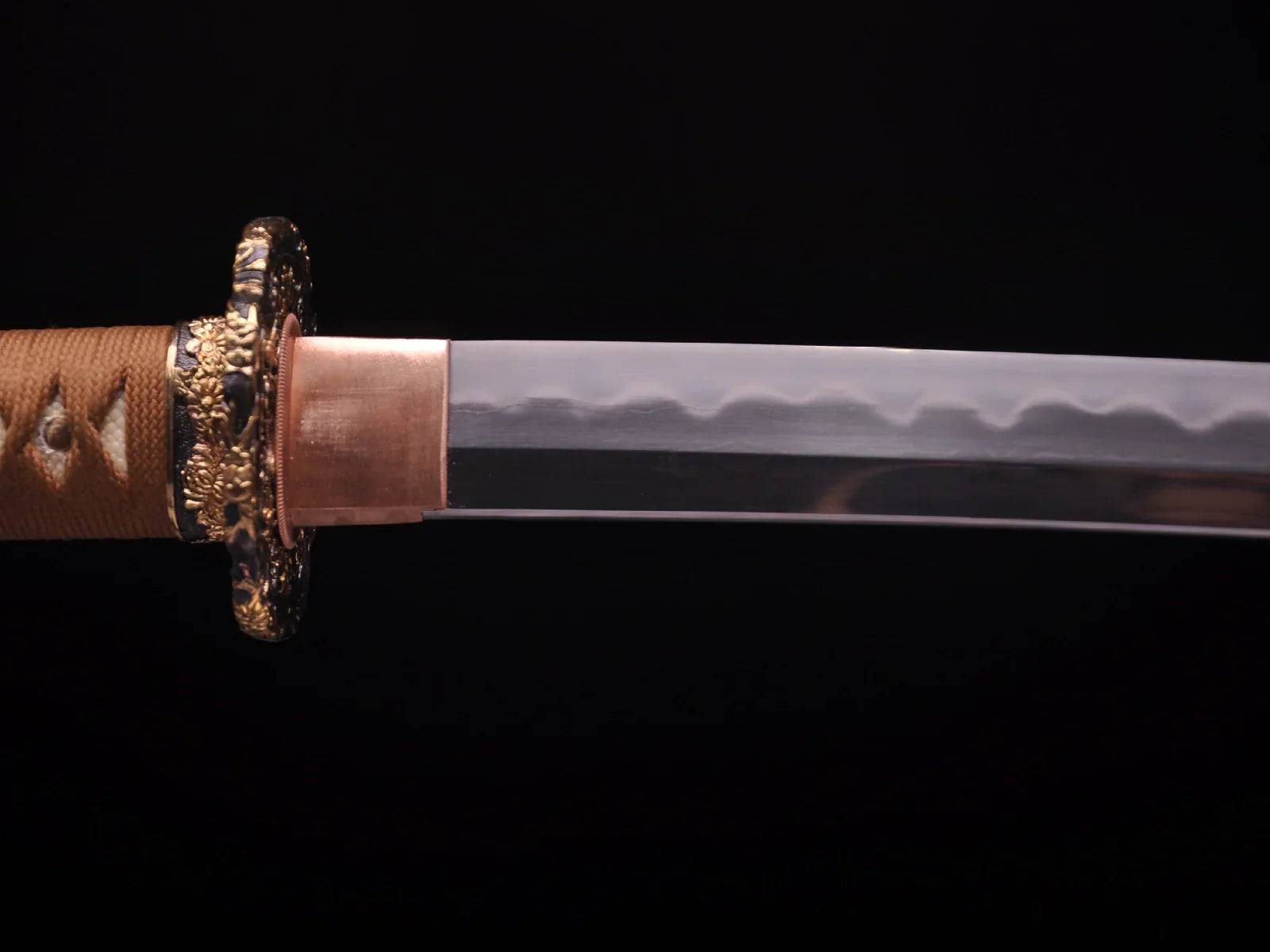
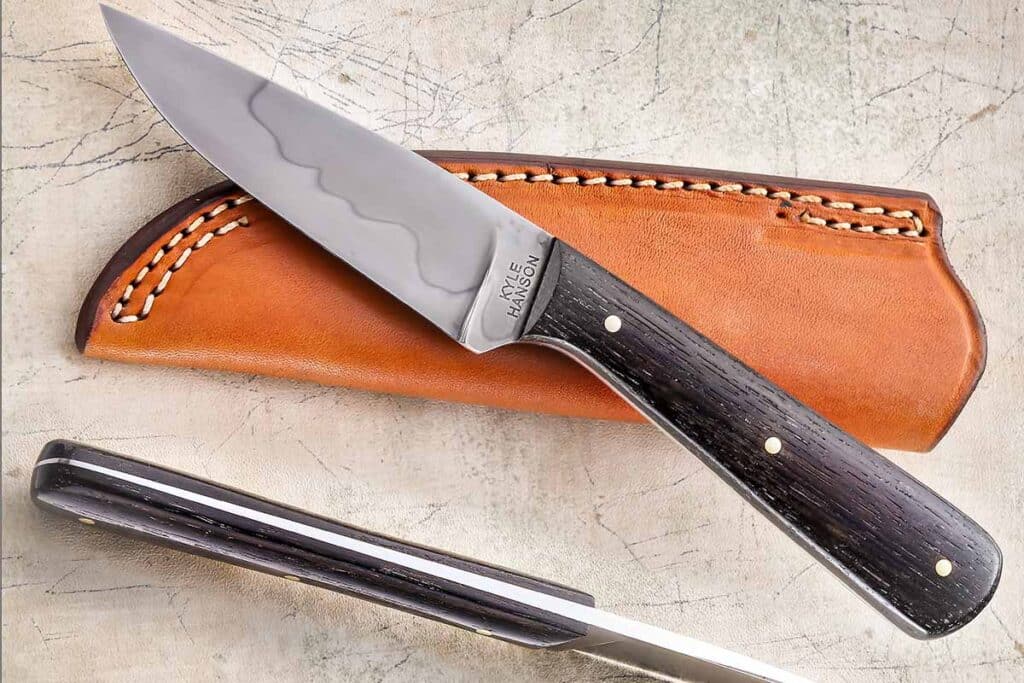
To those who appreciate the tempered steel of a Japanese sword, the hamon is visual evidence of the maker's effort to produce the finest blade work. In the West, the hamon appears in much the same fashion on Western knives, a blending of culture and craft. Where East meets West on the steel blade, there is the hamon, the graceful temper line.. The hamon is the visible temper line on a katana blade, created during differential hardening (clay tempering). It marks the boundary between the hard cutting edge (martensite) and the softer spine (pearlite).
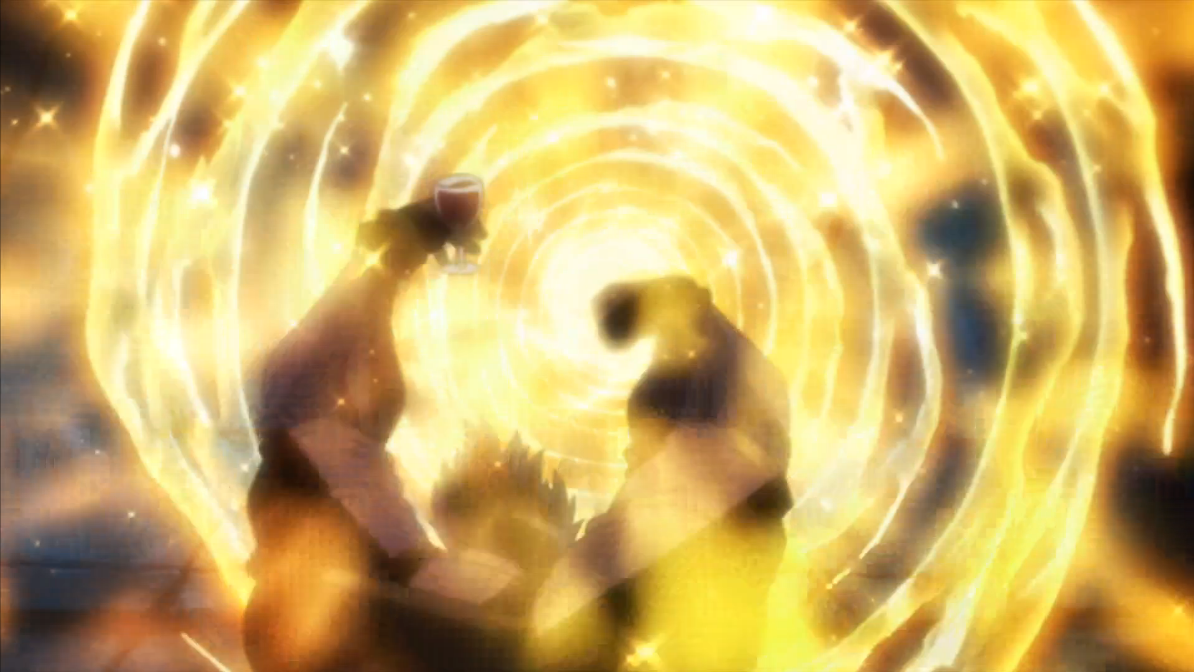


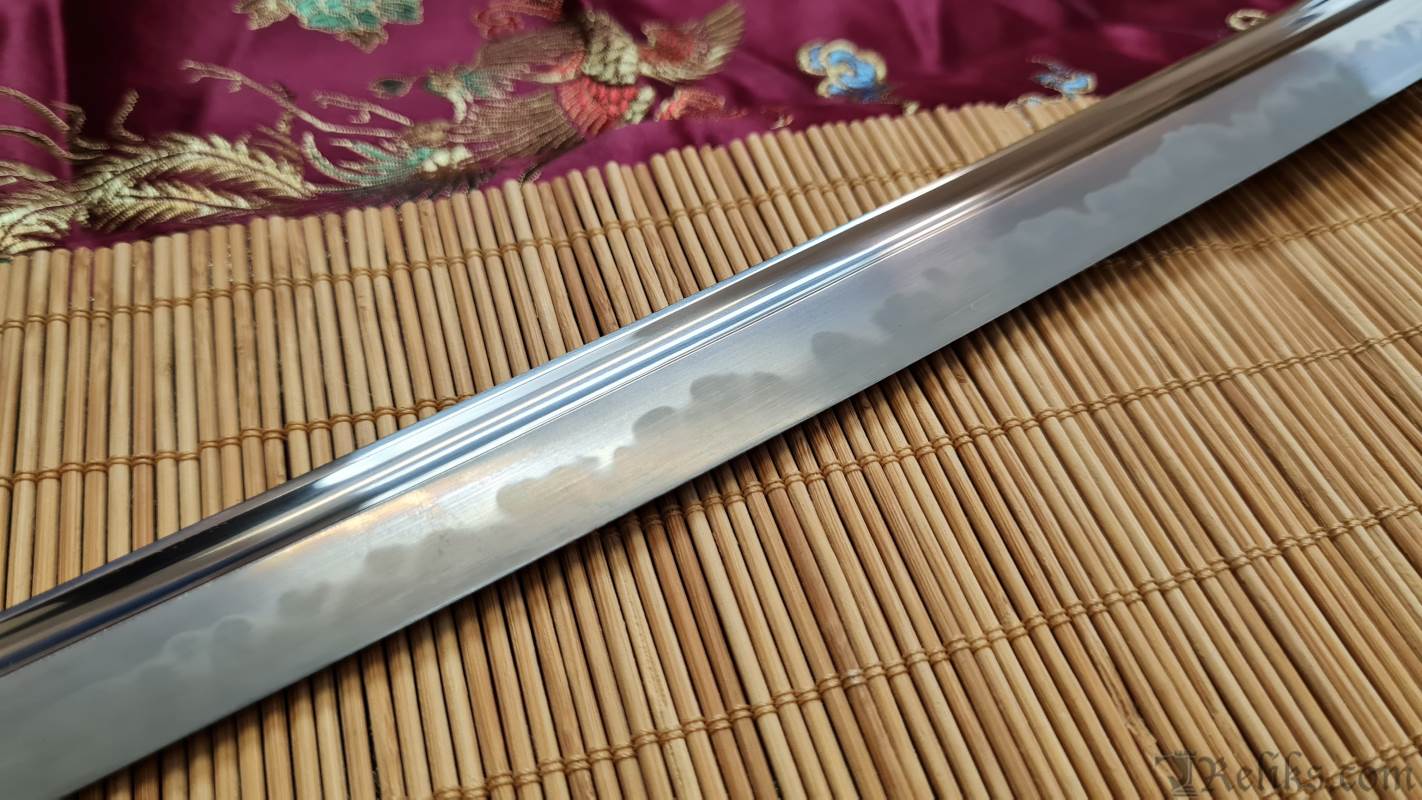



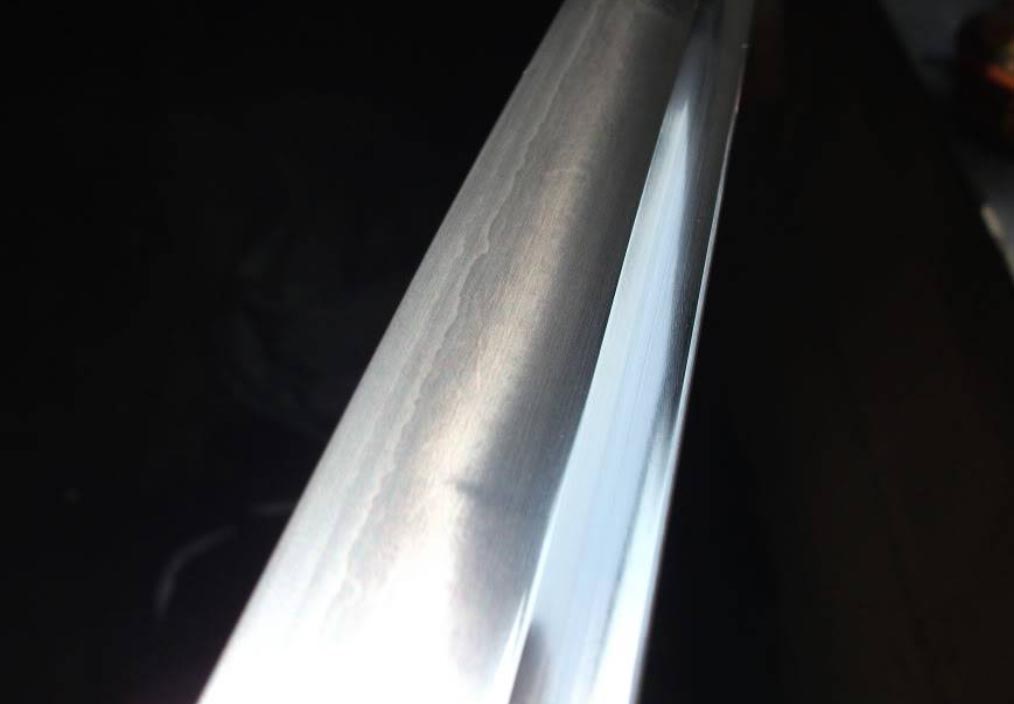
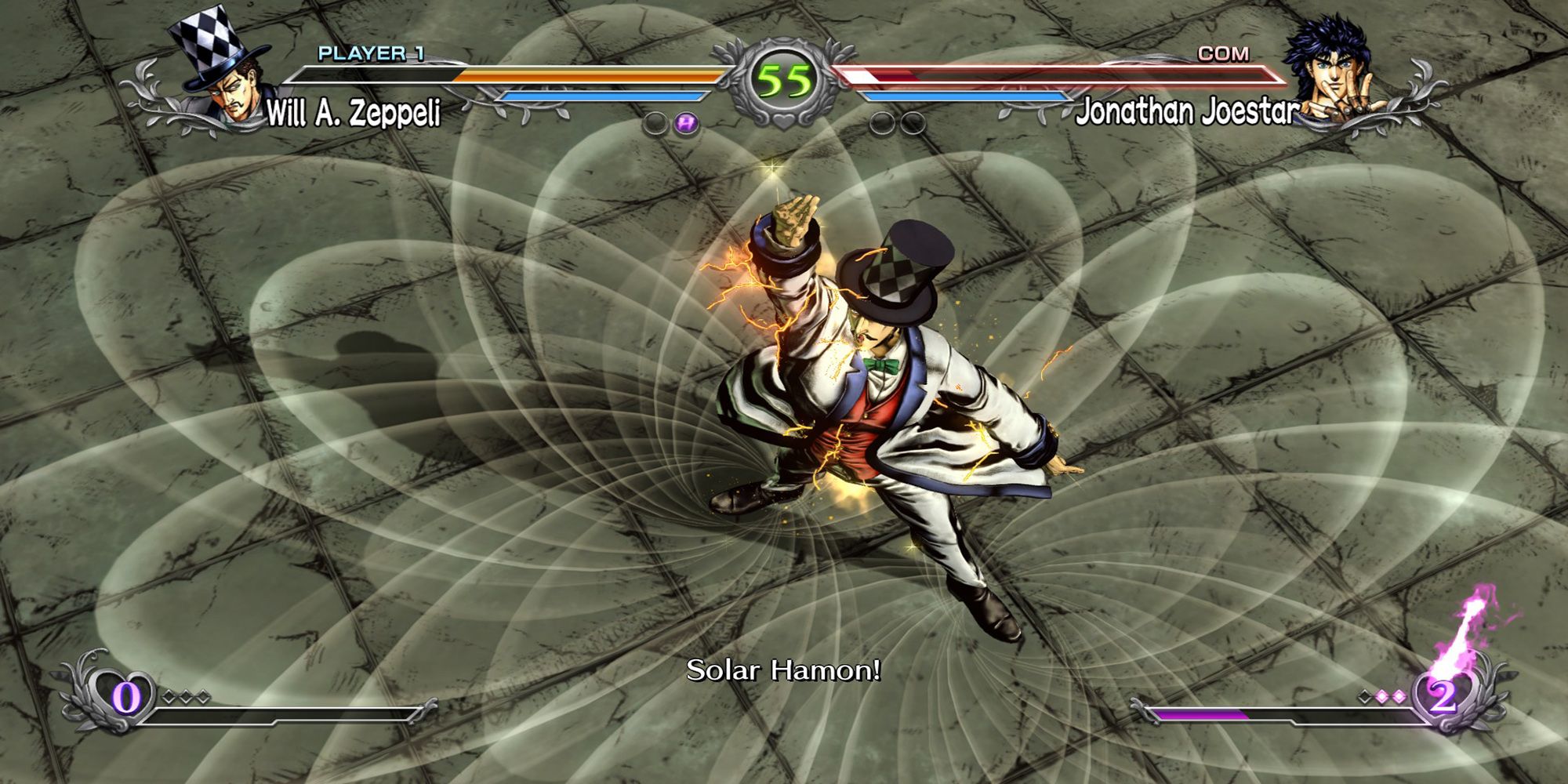







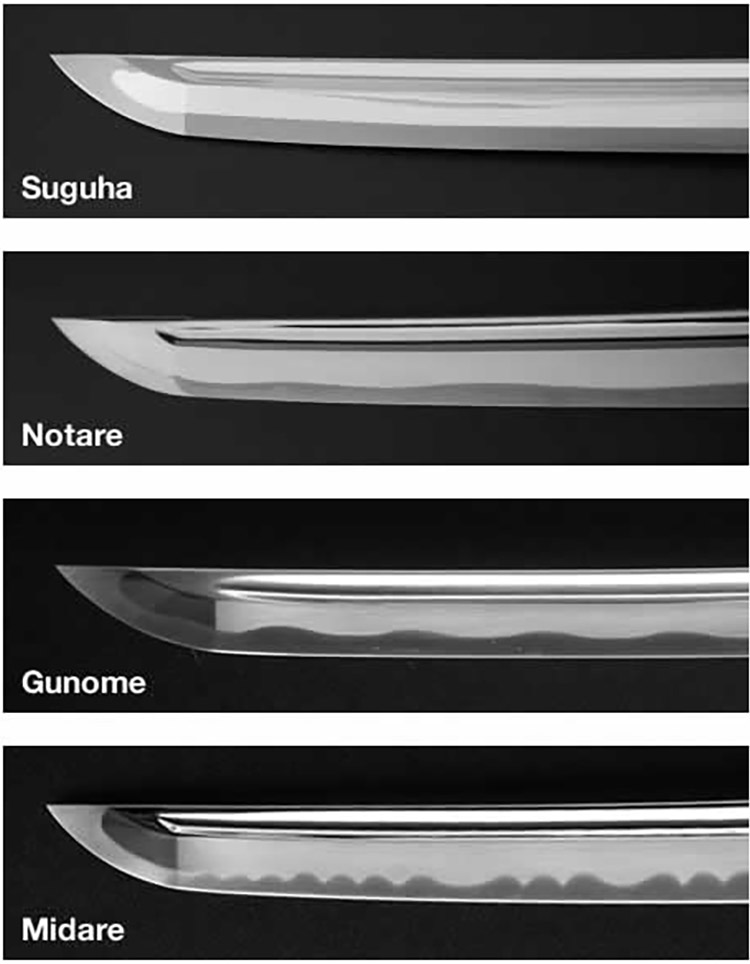

The Ripple (波紋, Hamon) is an energy used in an ancient form of martial arts known as Sendo (仙道, Sendō, lit. "Way of The Hermit"). Through controlled respiration, a person trained in the Ripple technique can produce a similar energy to that of the sun. This energy can be used in a wide range of techniques.. What Is An Etched Hamon? Difference between clay-tempered (up) and etched hamon (down) An etched hamon on replicas of Japanese swords is a pattern artificially created using acid or other chemicals along with selective etching and polishing techniques to mimic the hamon on traditionally made Japanese blades.