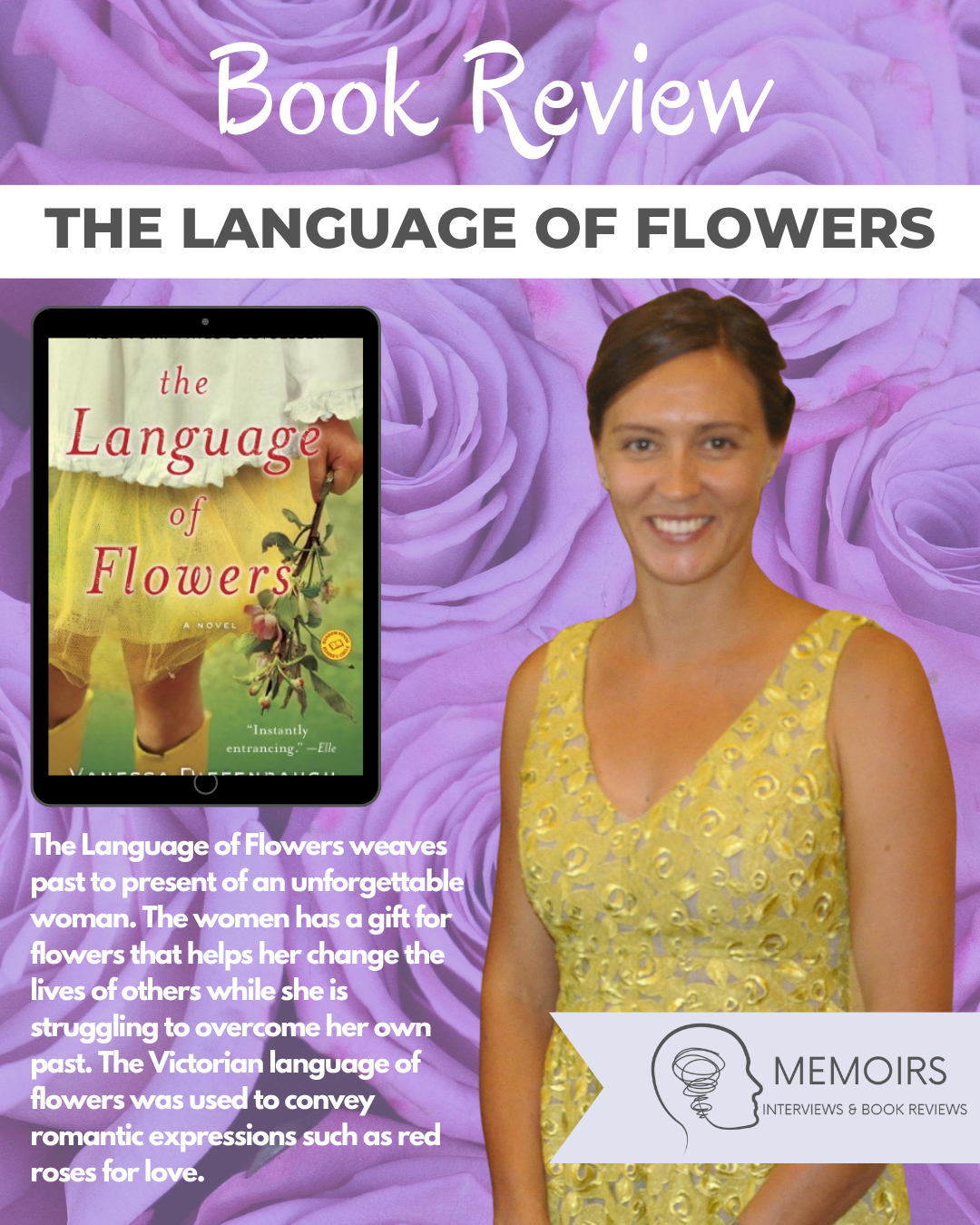
Book Review The Language of Flowers by Vanessa Diffenbaugh Changing
Web.Clearbg.Online·
What part of speech is the word “the,” and how do you use it in a sentence?. We use the definite article in front of a noun when we believe the listener/reader knows exactly what we are referring to:
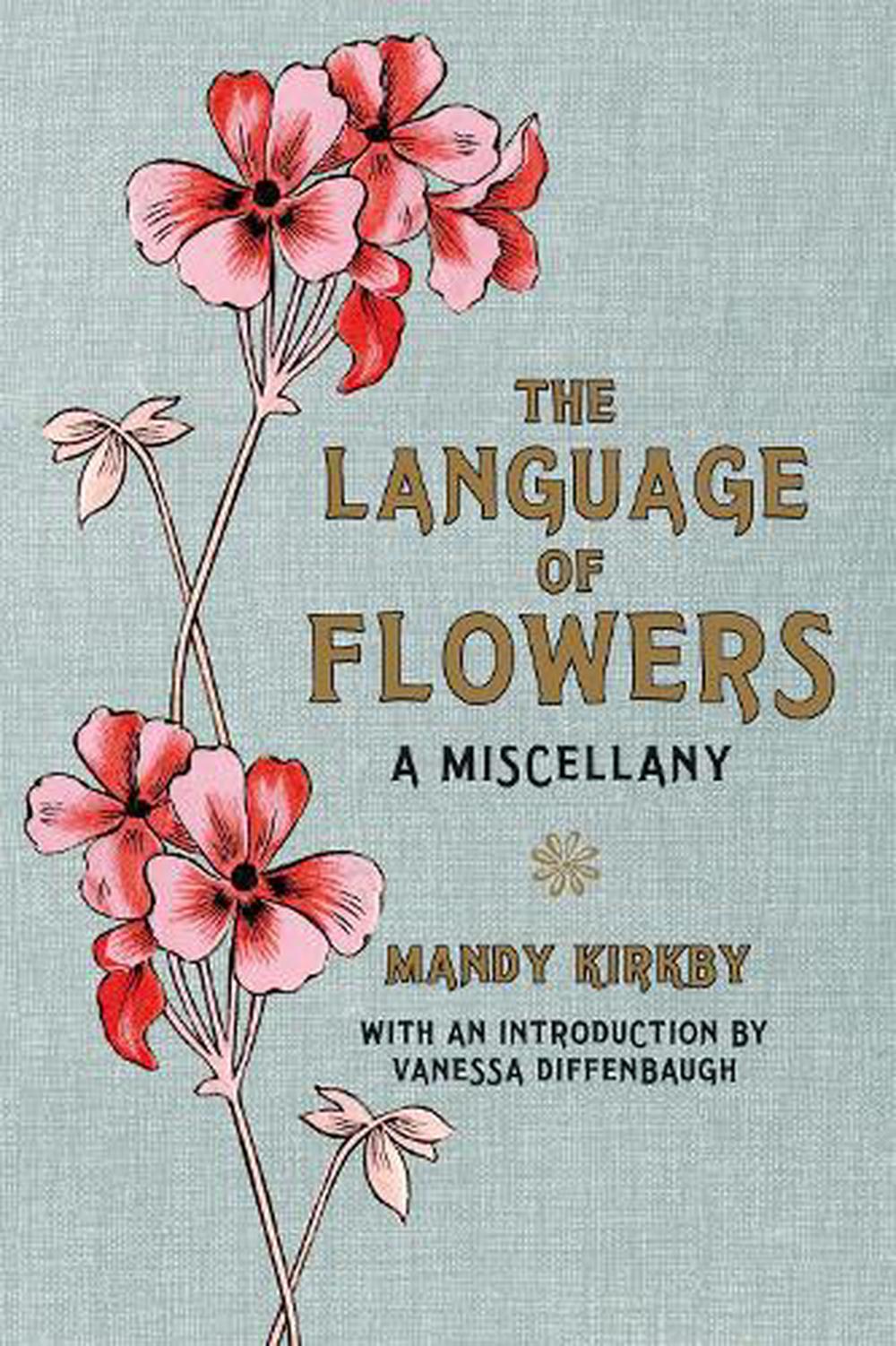
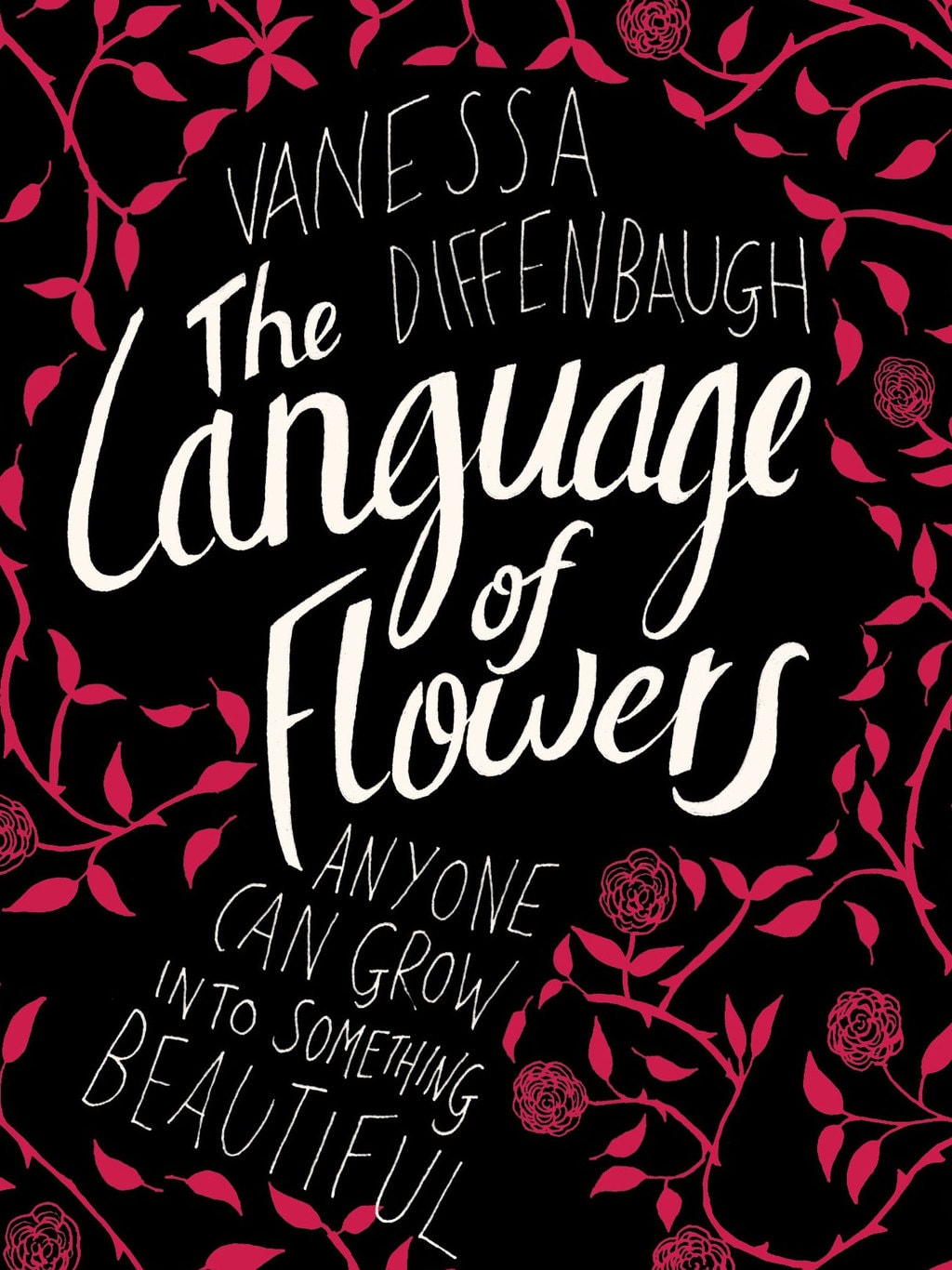
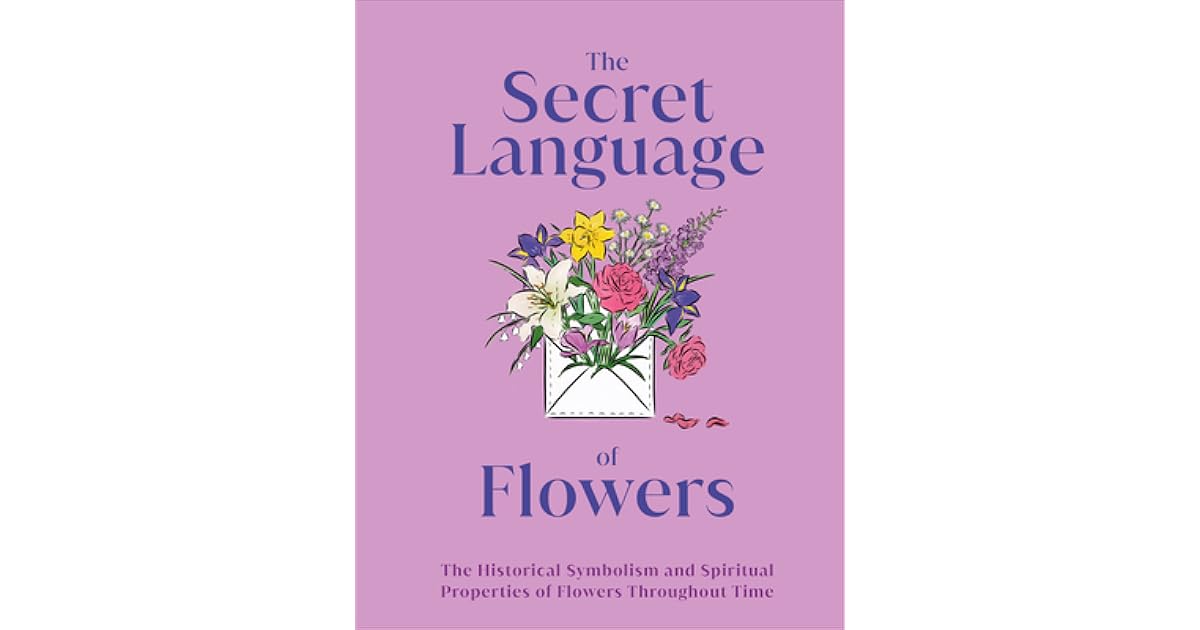
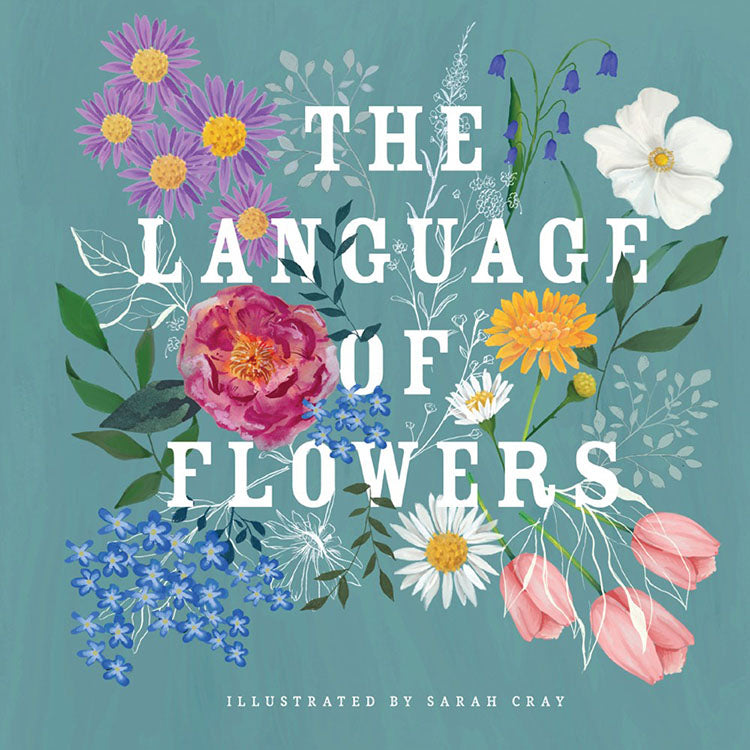
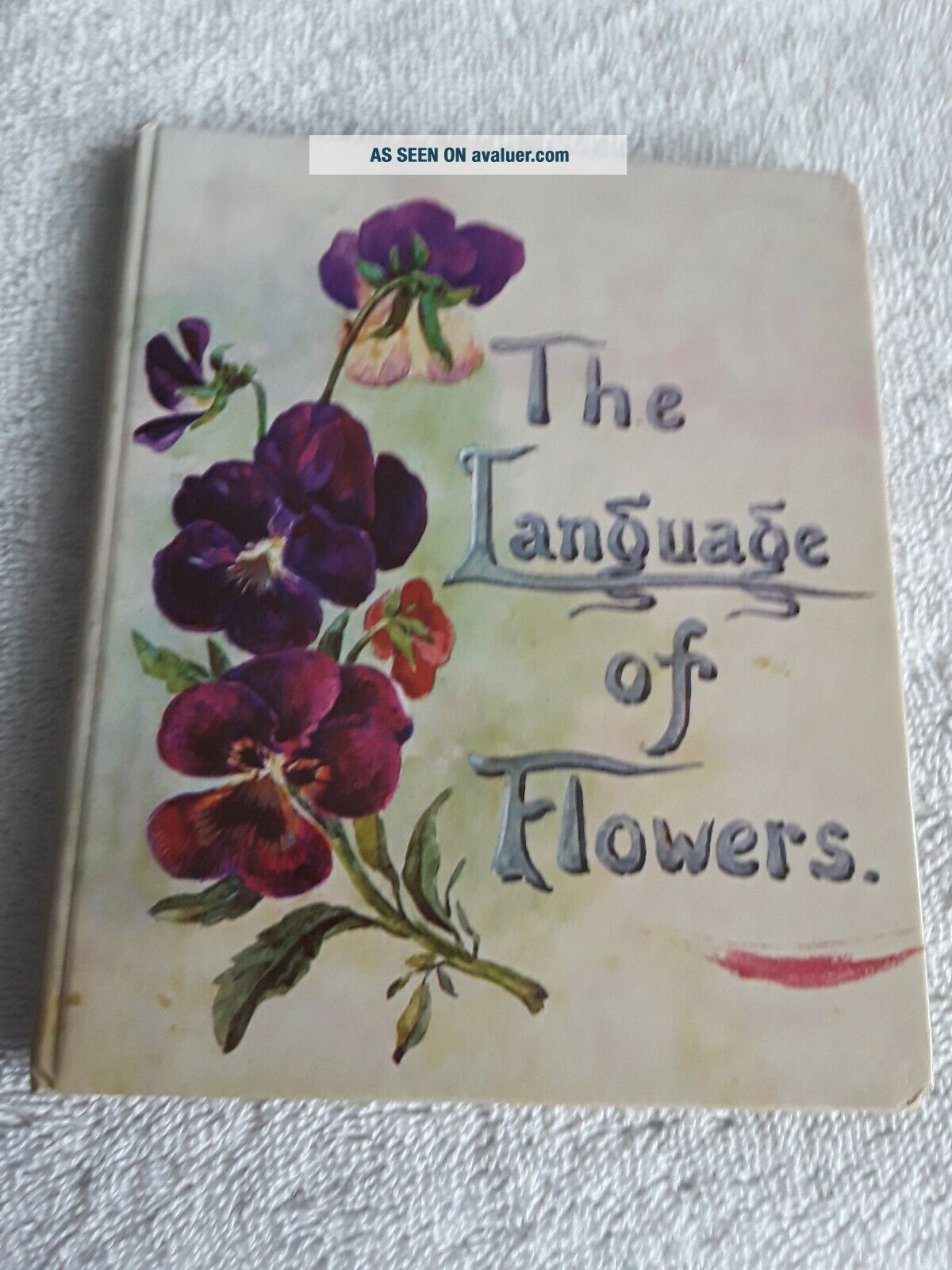
The Language of Flowers A Novel 8601422187557The Language of Flowers Read For TeensBelle's Bookshelf Review The Language of Flowers by Vanessa DiffenbaughThe Complete Language of Flowers by S. Theresa DietzBook On The Language Of Flowers at Carmen Morse blogThe Language of Flowers Gail Harvey 9780517119440 BooksThe Complete Language of Flowers A Definitive and Illustrated HistoryThe Language Of Flowers Book Flower Dictionary at Marilyn StumpfThe Language of Flowers Getty Museum StoreThe Language Of Flowers Book Depository at Tracy Dibenedetto blogLanguage of Flowers Book Schreiner's GardensThe Language of Flowers Book Summary & Video Official PublisherAmazon.fr The Complete Language of Flowers A Definitive andThe Language Of Flowers Book 7676506The Language of Flowers [Paperback] Vanessa Diffenbaugh VanessaThe Language Of Flowers by Vanessa Diffenbaugh Language of flowersA Joy of Reading Book Review The Language of FlowersThe Complete Language of Flowers (Gift Edition), A Definitive andThe Language Of Flowers Book Enola Holmes at Madison CalderThe Language of Flowers The Dictionary of Flowers and theirThe Language of Flowers by Christine O'Brien, Hardcover, 9780754825005The Language of FlowersLanguage Of Flowers 1857 at Barbara Fowler blogBook Review The Language of Flowers by Vanessa Diffenbaugh ChangingThe Language of Flowers A Novel Diffenbaugh, Vanessa 9780345525543The Language of Flowers Book CoverThe Language of Flowers Book ReviewThe Language of Flowers Gift Book by Mandy Kirkby, HardcoverBook Review The Language of Flowers by Vanessa Diffenbaugh CollegeThe Secret Language of Flowers The Historical Symbolism and Spiritual
How to use the in a.. The is a grammatical article in english, denoting nouns that are already or about to be mentioned, under discussion, implied or otherwise presumed familiar to listeners, readers, or speakers.





![The Language of Flowers [Paperback] Vanessa Diffenbaugh Vanessa](https://m.media-amazon.com/images/I/81vsxew5gaL._SL1500_.jpg "The Language of Flowers [Paperback] Vanessa Diffenbaugh Vanessa")