We use the definite article in front of a noun when we believe the listener/reader knows exactly what we are referring to:. (used, especially before a noun, with a specifying or particularizing effect, as opposed to the indefinite or generalizing force of the indefinite article a oran ).
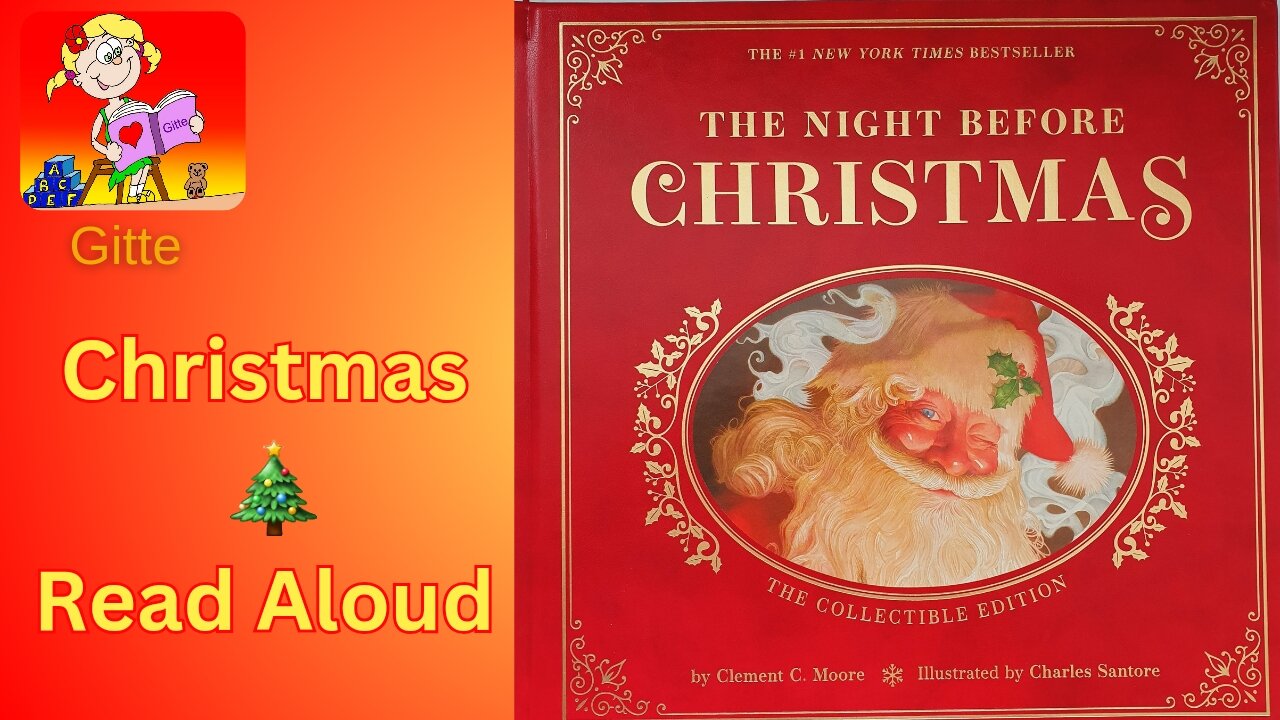
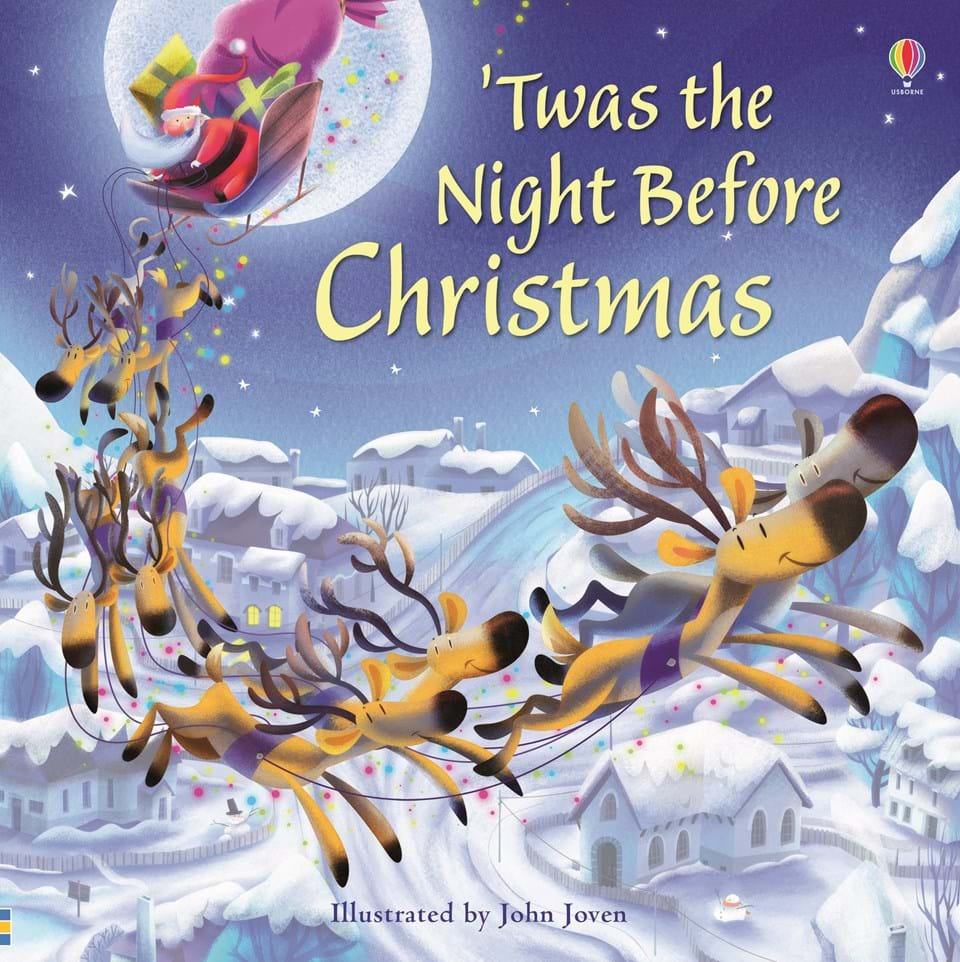
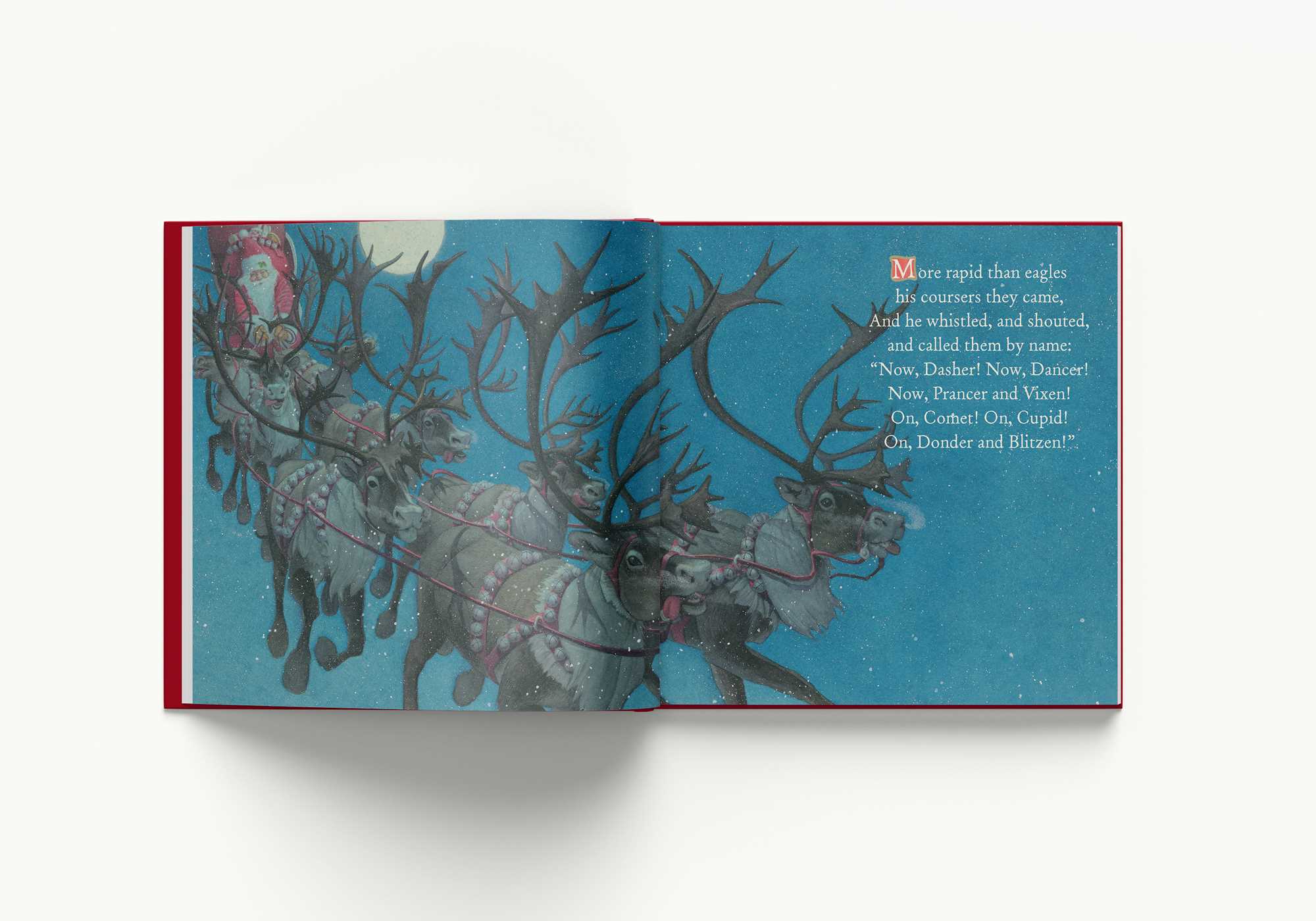
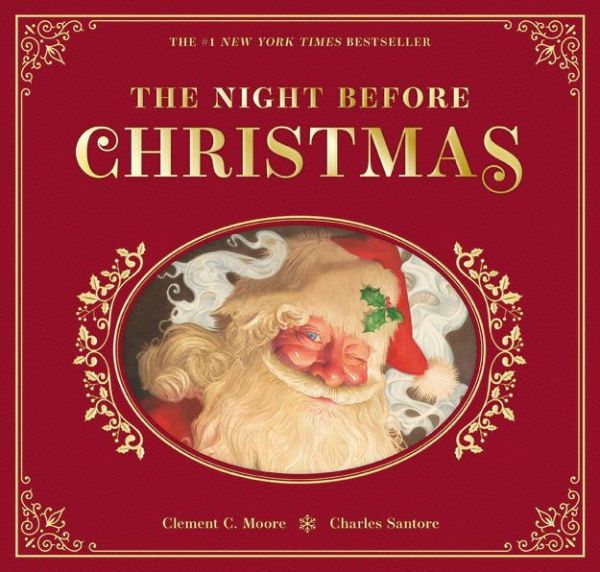
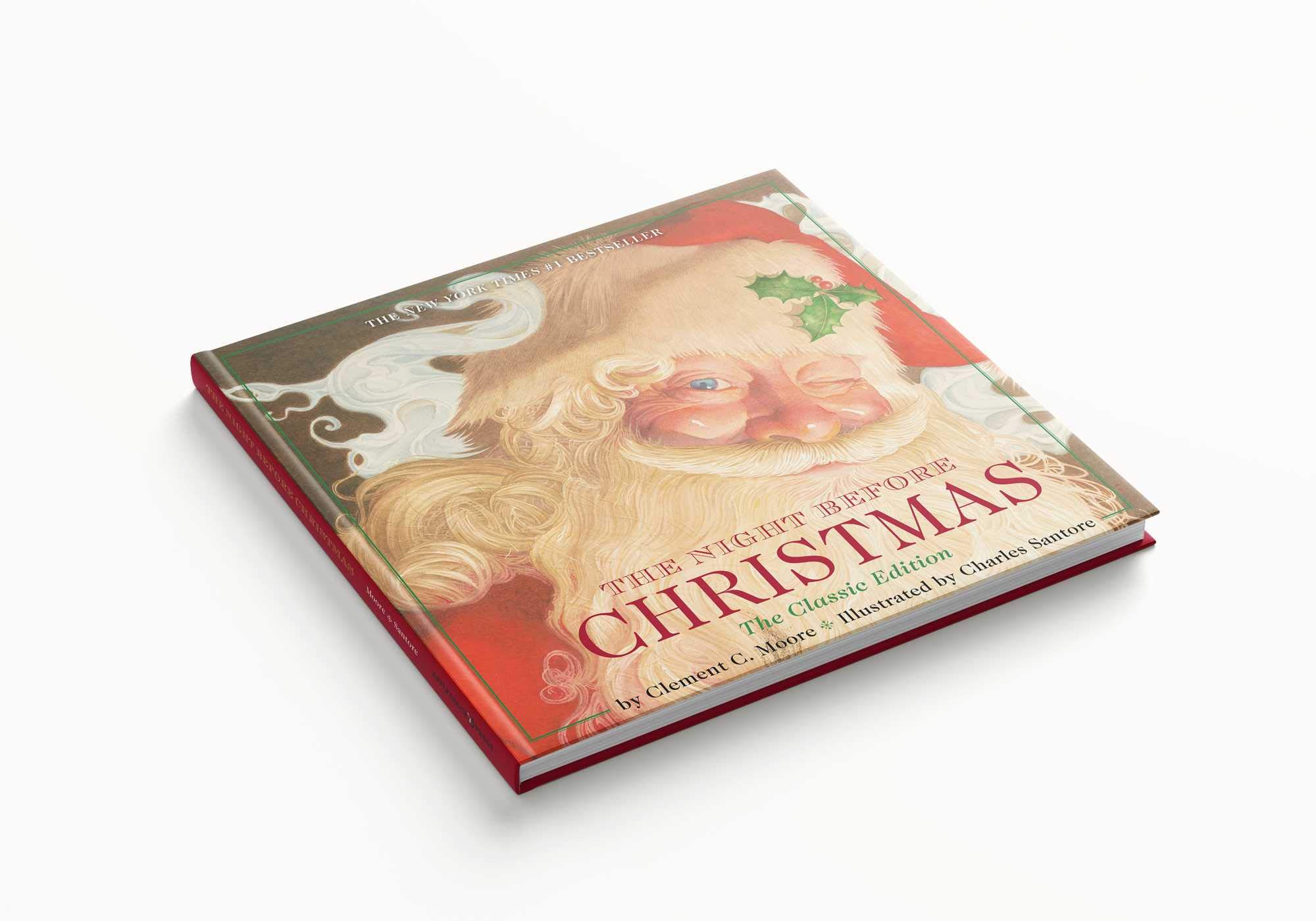
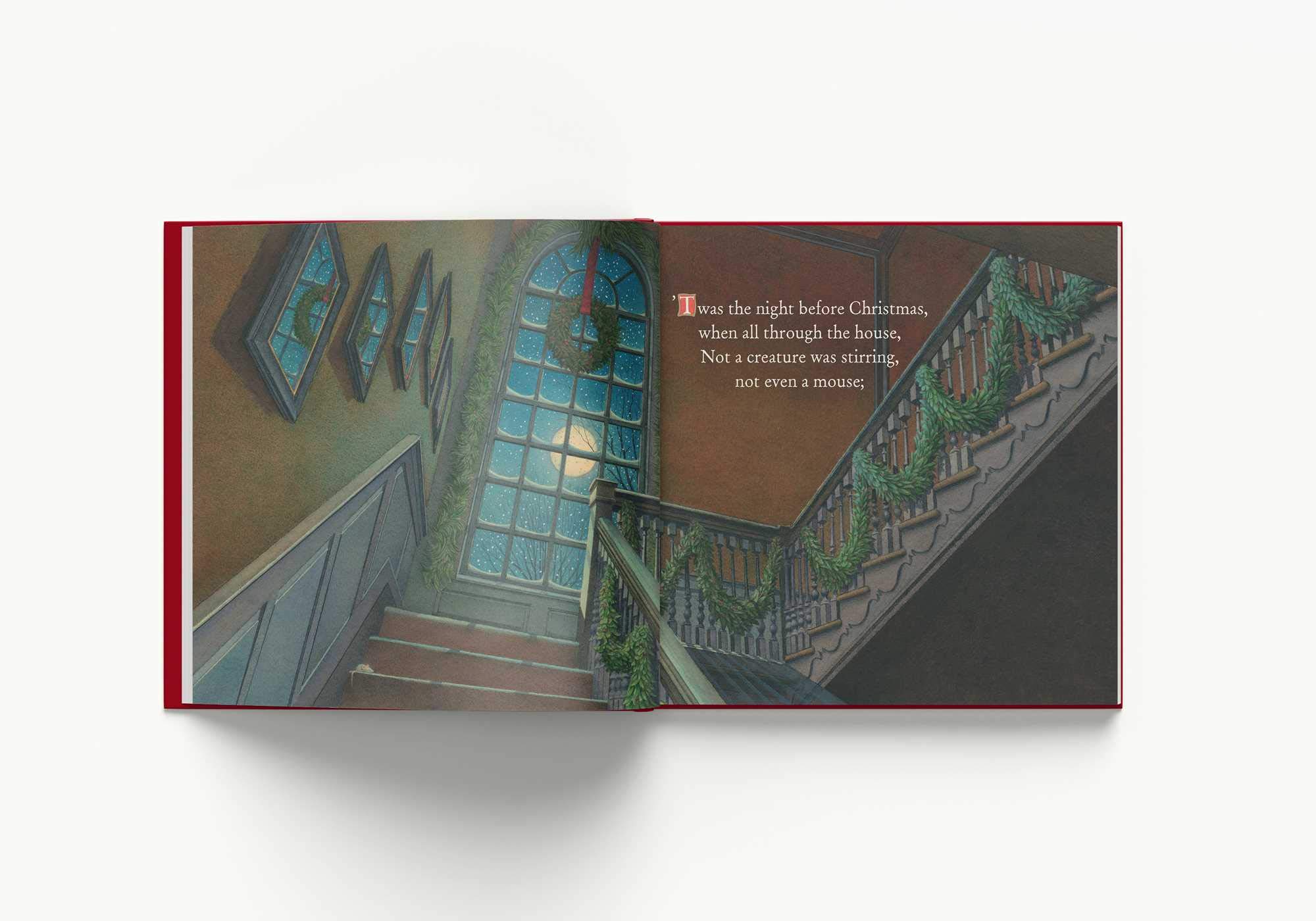
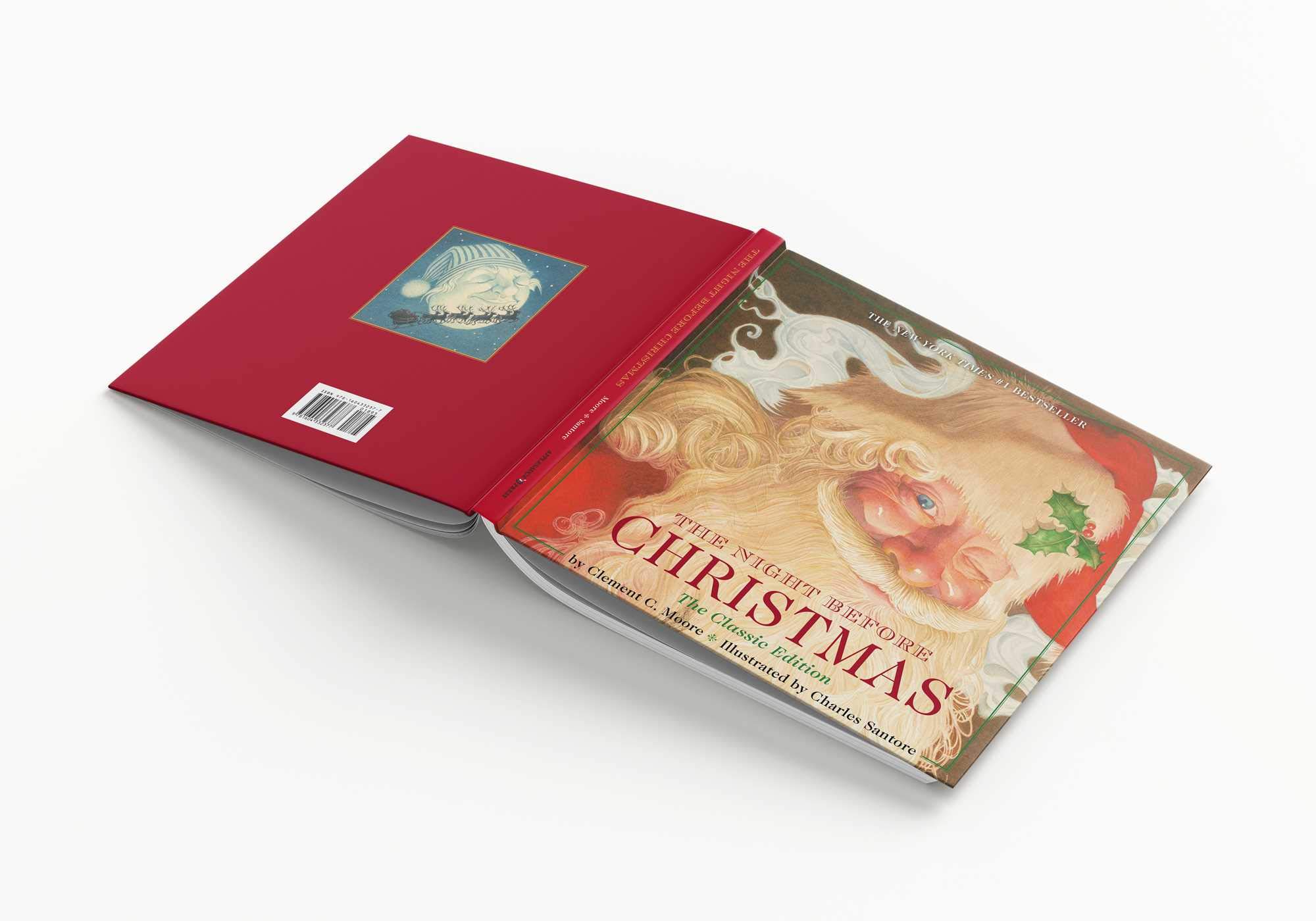
The Night Before Christmas by Clement C. Moore illustrated byThe Night Before Christmas The Deluxe PopUp EditionThe Night Before Christmas GufhtuguThe Night Before Christmas Hardcover The Classic Edition, The NewBest Kids Read Along Twas the Night Before Christmas byThe Night Before Christmas Hardcover The Classic EditionThe Night Before Christmas Coloring Book The Classic🎄Kid's Book Read Aloud THE NIGHT BEFORE CHRISTMAS by ClementThe Night Before Christmas Board Book The Classic EditionThe Night Before Christmas Hardcover The Classic EditionThe Night Before Christmas Recordable Edition A Recordable StorybookThe Night Before Christmas Hardcover The Classic EditionThe Night Before Christmas, Charles Santore Children's Classics byThe Night Before Christmas Oversized Padded Board Book The ClassicThe Night Before Christmas Board Book The Classic EditionThe Night Before Christmas Hardcover The Classic EditionThe Night Before Christmas Hardcover The Classic EditionThe Night Before Christmas The Collectible Edition by Clement MooreThe Night Before Christmas Hardcover The Classic EditionThe Night Before Christmas Hardcover The Classic Edition, The NewThe night before Christmas Clement C. Moore, Charles Santore TheThe Night Before Christmas The Classic Edition by Clement C.The Night Before Christmas Hardcover The Classic Edition, The NewThe Night Before Christmas Hardcover The Classic EditionThe Night Before Christmas Hardcover The Classic Edition, The NewThe Night Before Christmas Hardcover The Classic Edition, The NewThe Night Before Christmas Hardcover The Classic Edition, The NewThe Night Before Christmas Audiobook by Clement Moore, Charles SantoreThe Night Before Christmas Board Book The Classic EditionThe Night Before Christmas Hardcover The Classic Edition
The is usually pronounced (ðə ) before a consonant and (ði ) before a vowel, but pronounced (ði ) when you are.. The meaning of the is —used as a function word to indicate that a following noun or noun equivalent is definite or has been previously specified by context or by circumstance.