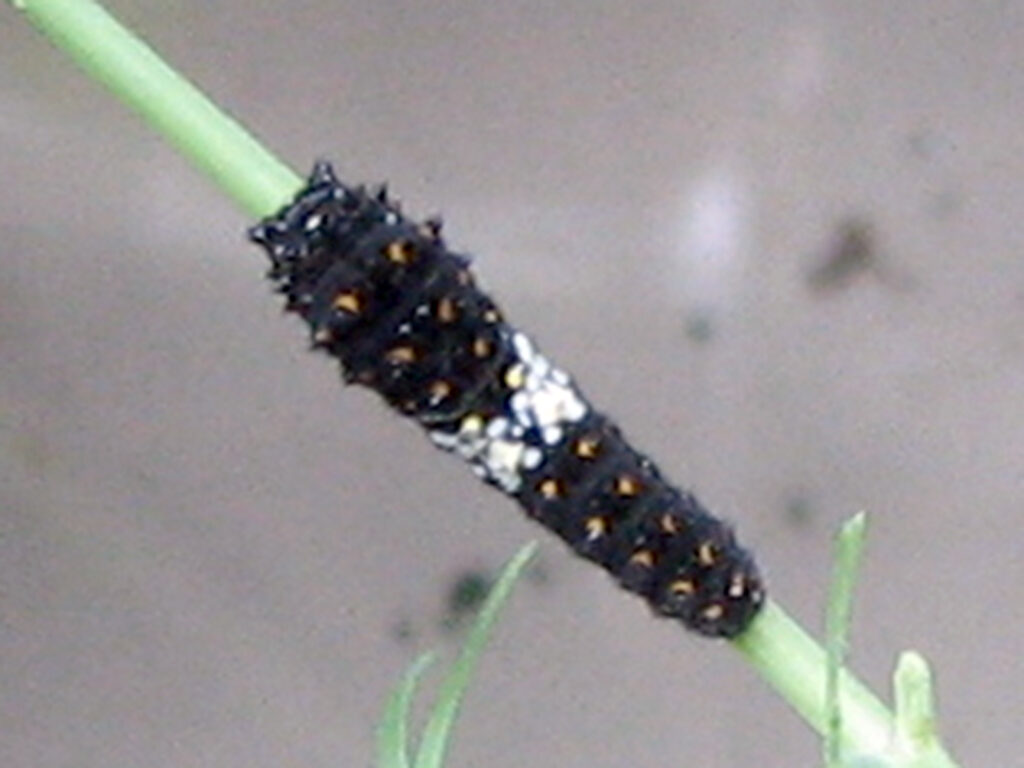
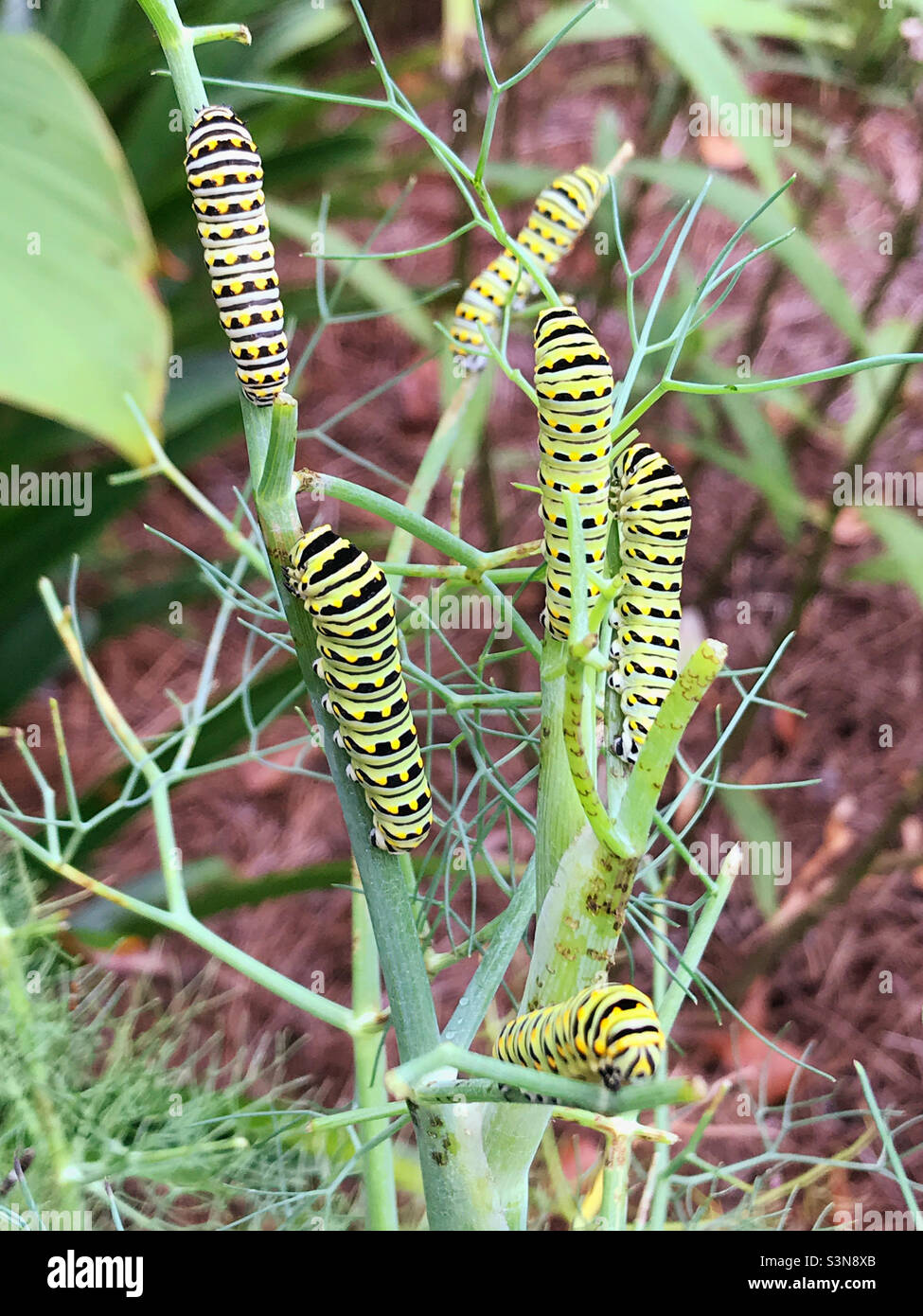
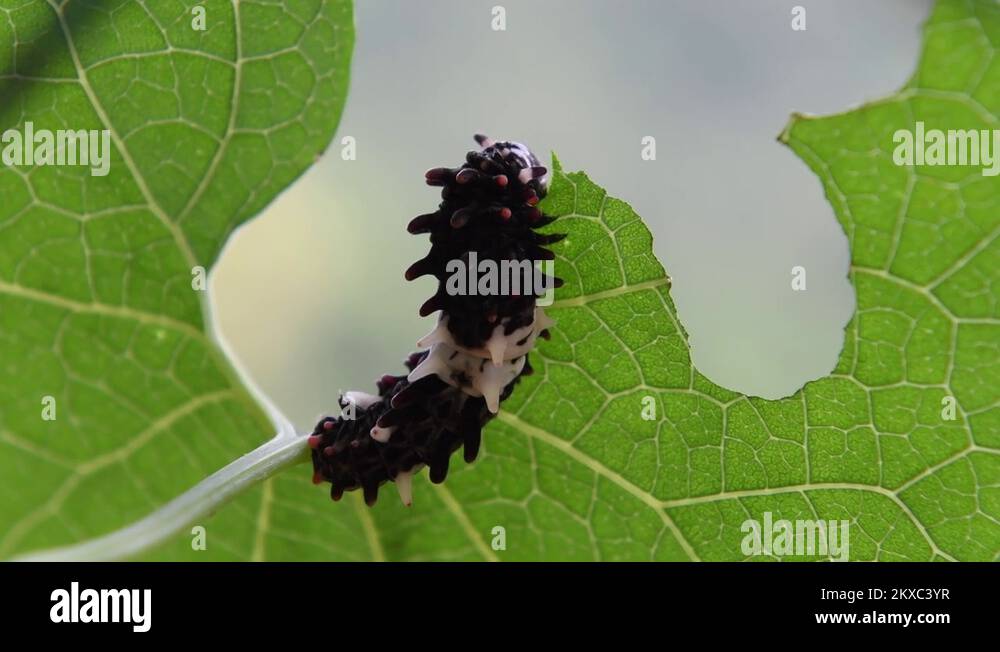
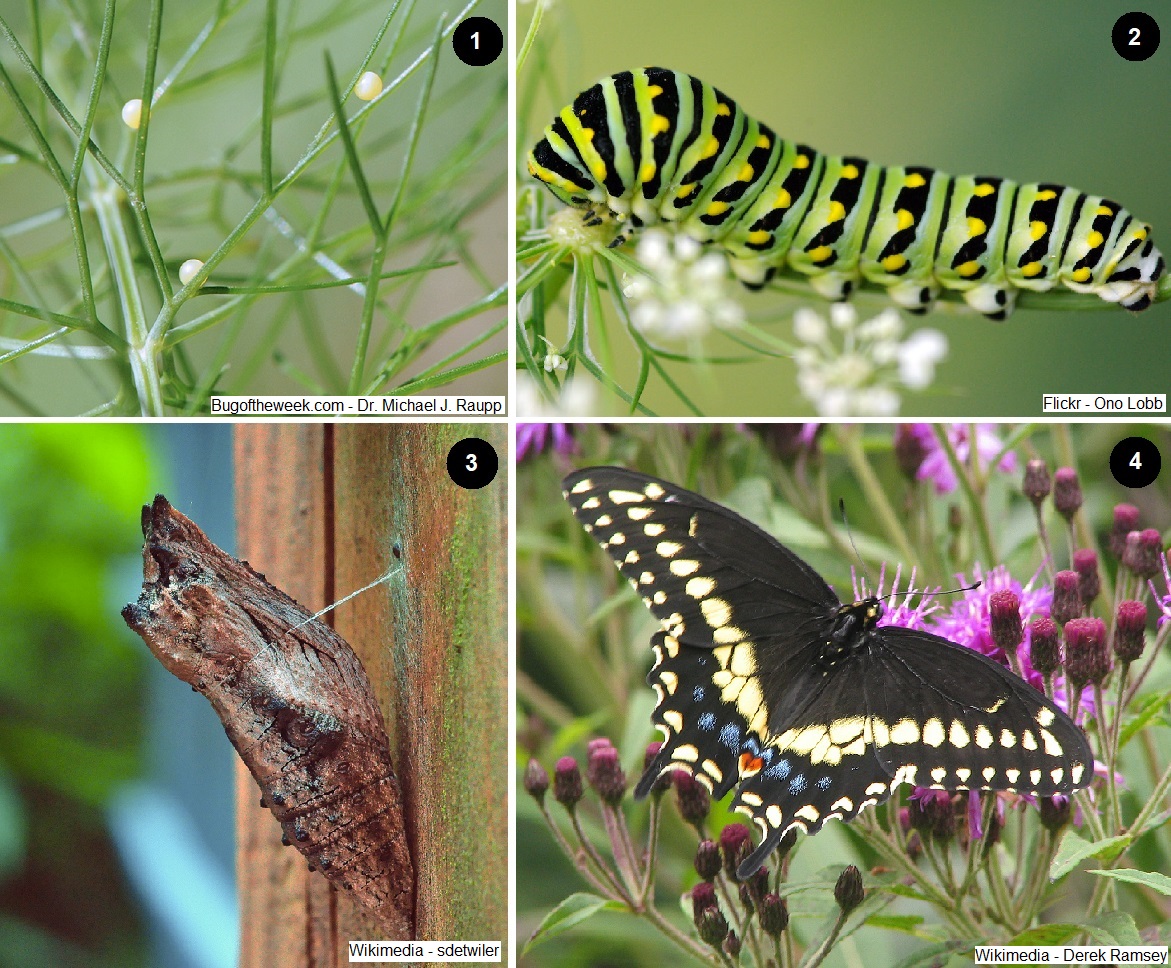
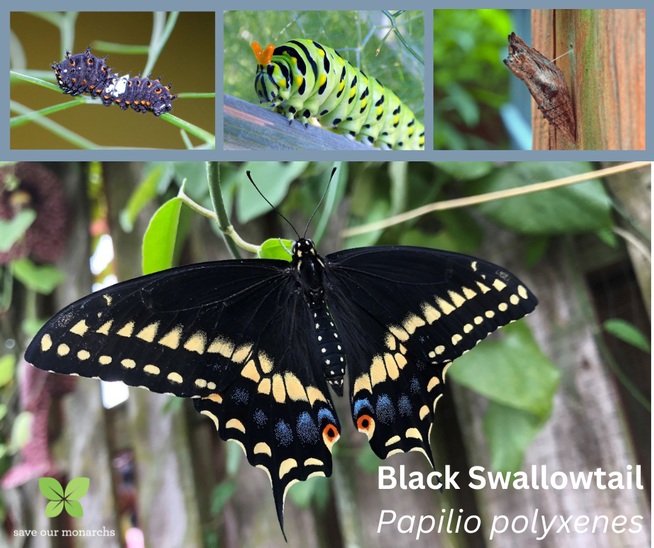
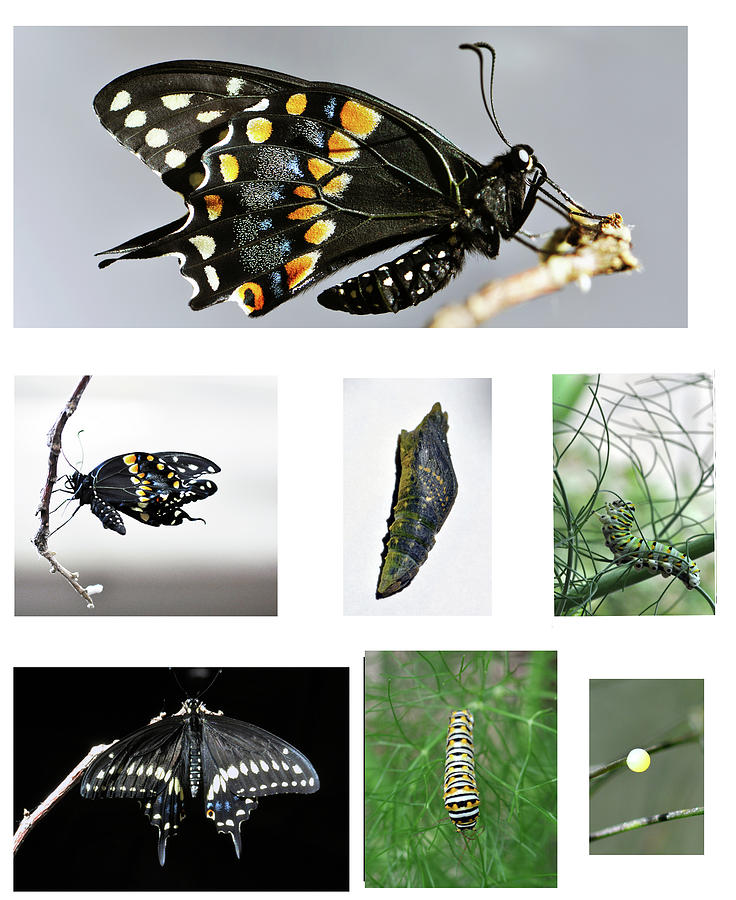
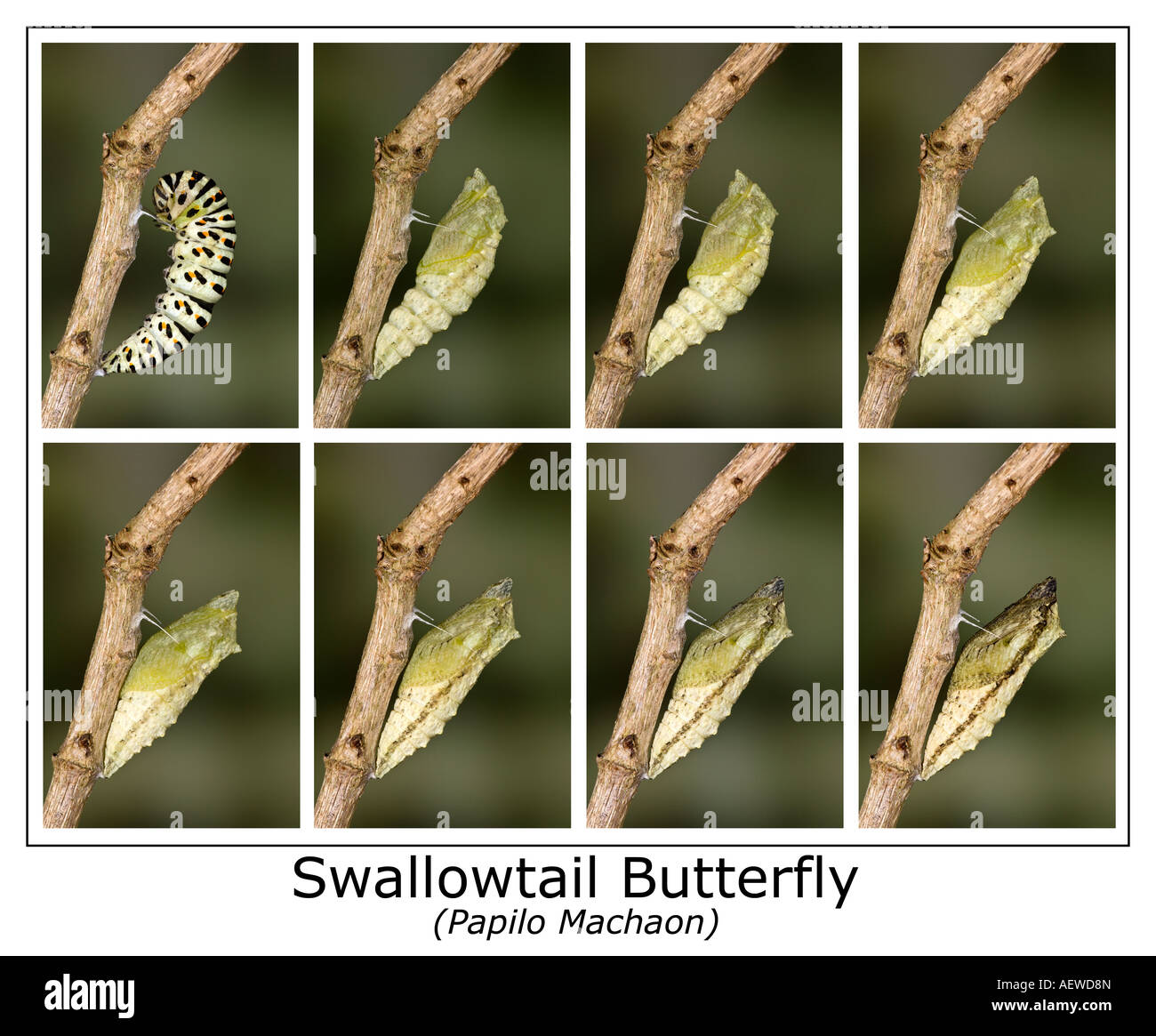
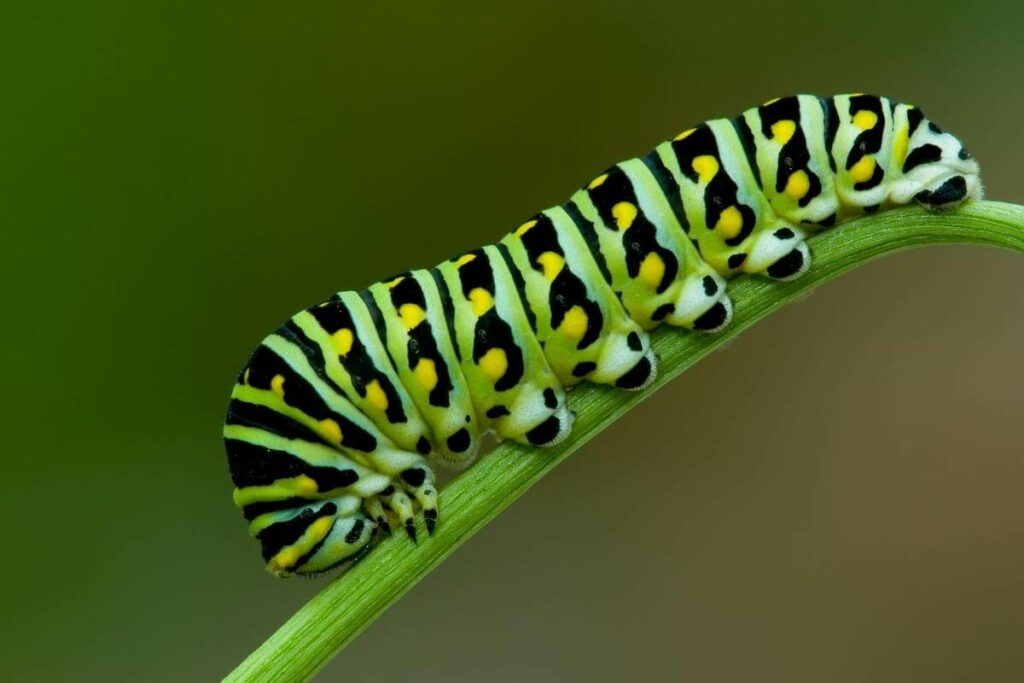
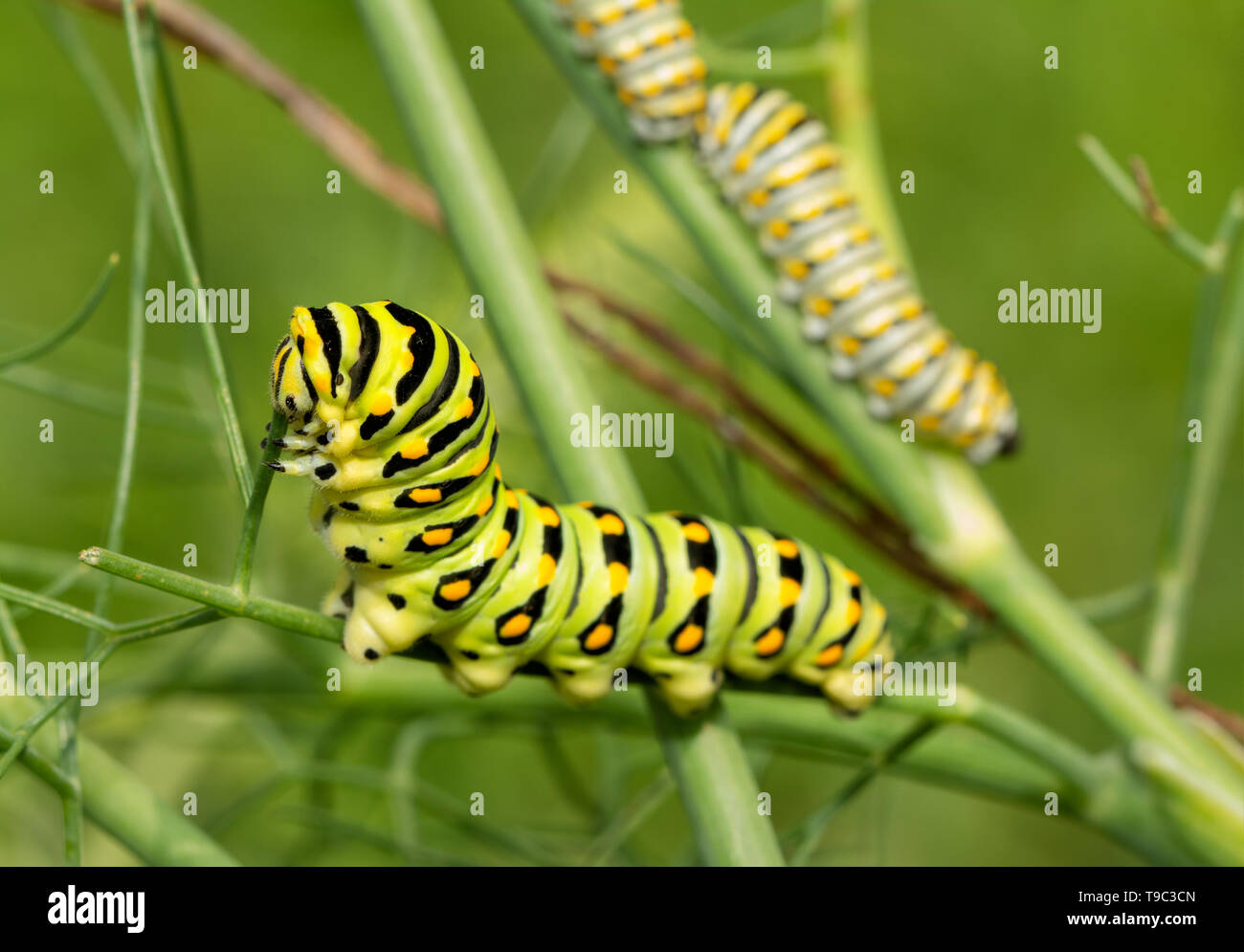
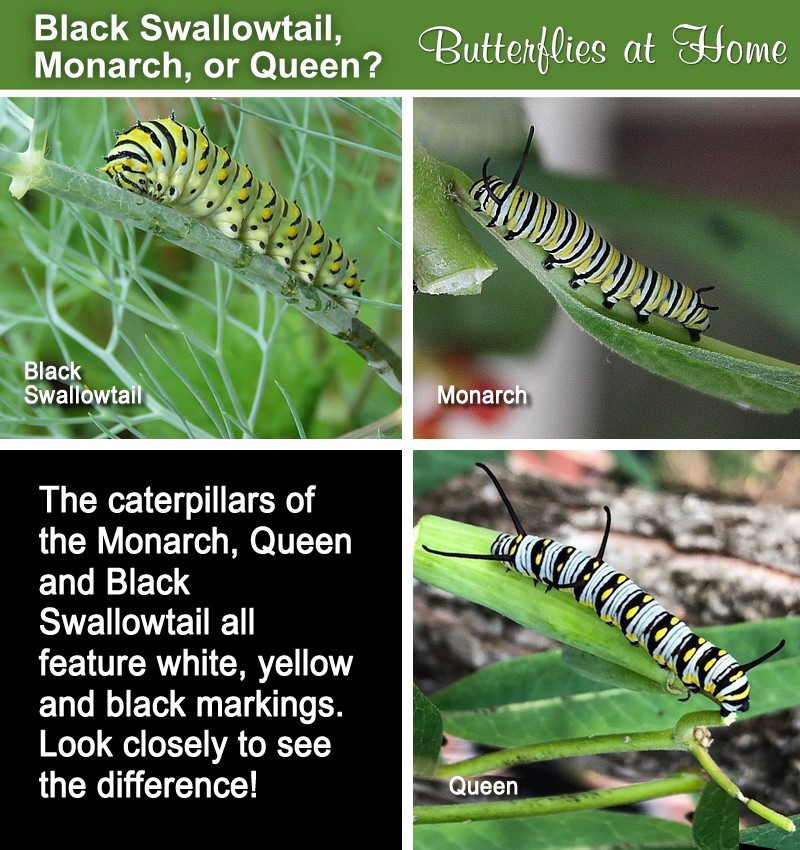
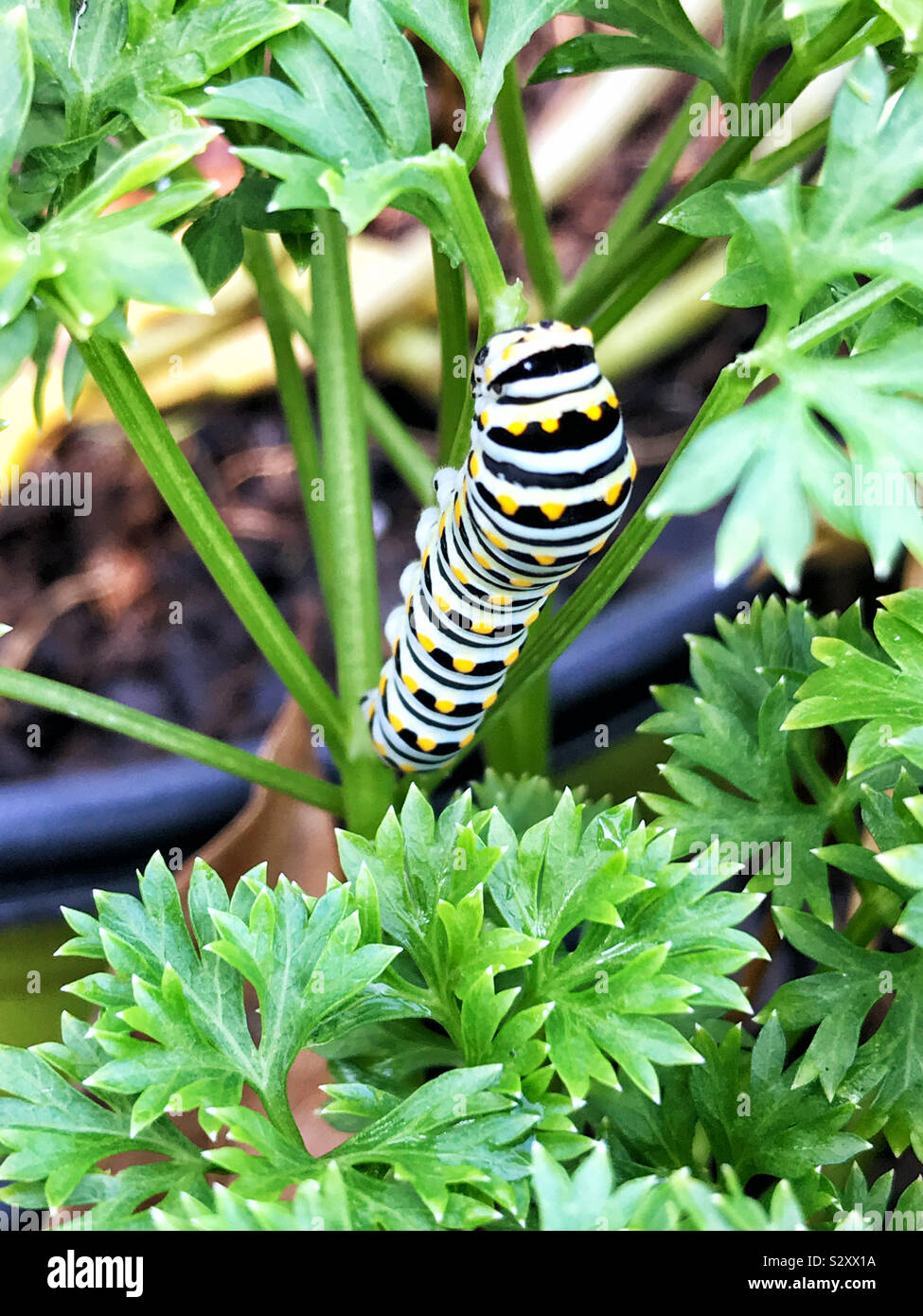
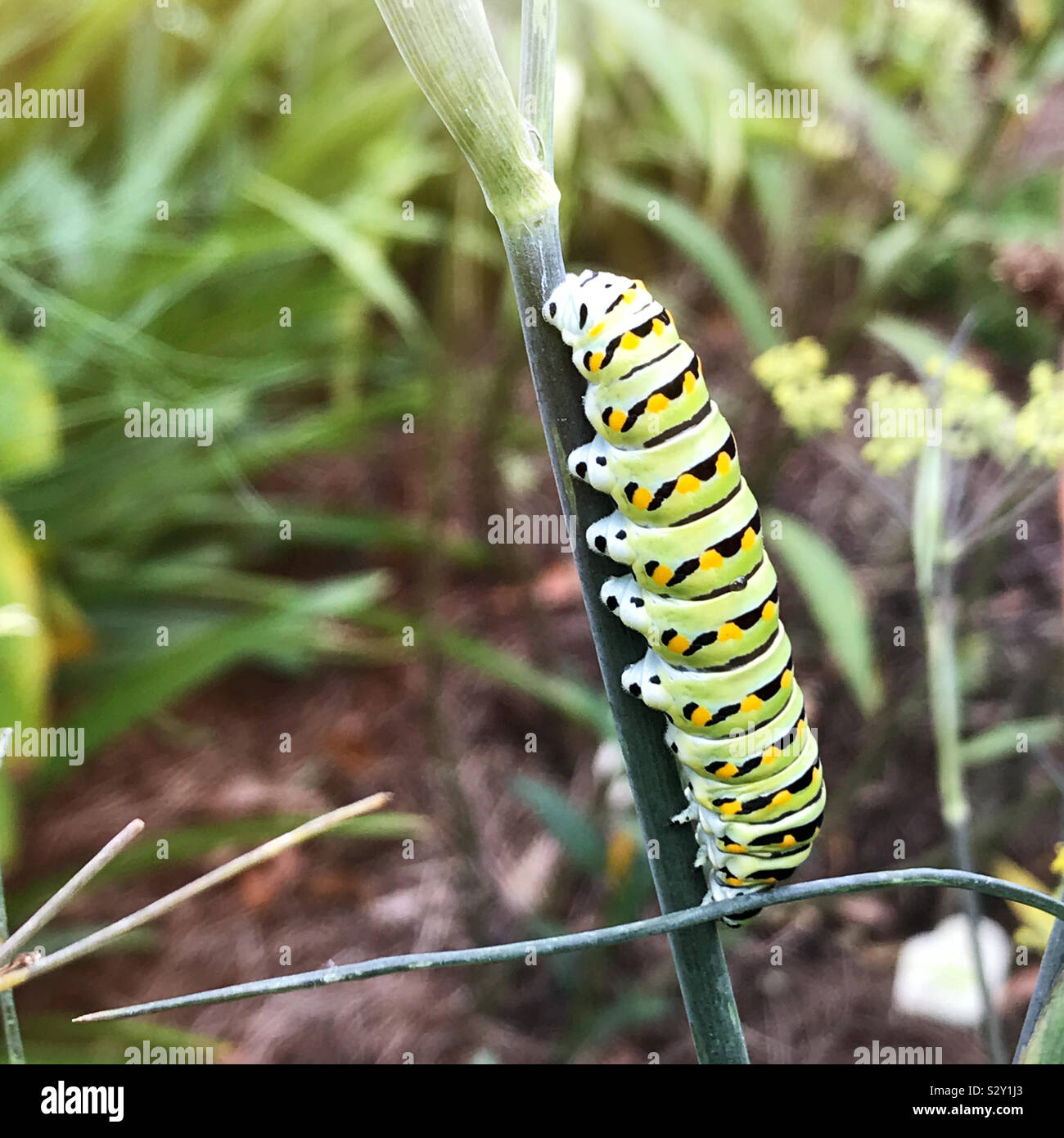
Learn more about 5 black swallowtail caterpillar stages, feeding, and behavior during the larva stage.. The Eastern Black Swallowtail butterfly, its life cycle, size, identification, all with original photographs.
Life Cycle of the Black Swallowtail Butterfly (Papilio polyxenesBlack swallowtail Our Habitat GardenSwallowtail Caterpillar Life Cycle at Madeleine Pardey blogSwallowtail Caterpillar Stages at David Mckeever blogBlack Swallowtail Life Cycle Timeline ExplainedBlack Swallowtail Caterpillar Stages Explained AQAN10 Butterflies with Different Life Cycles Stages, ImagesBlack Swallowtail CaterpillarBlack Swallowtail Life Cycle Timeline ExplainedBug Pictures Eastern Black Swallowtail (Papilio polyxenes) by PanamonCreelBlack swallowtail caterpillar stages Stock Videos & Footage HD andBlack Swallowtail Life Cycle Timeline and StagesSwallowtail Butterfly Caterpillar Life CycleSave Our Monarchs BlogParts Of A Swallowtail Butterfly at Theresa Edwards blogSwallowtail Caterpillar Stages at David Mckeever blogButterfly Chrysalis How Long at Kyle Melvin blogSpicebush Swallowtail Life Cycle Spicebush Swallowtail CaterpillarA Close Look at the Black Swallowtail CaterpillarBlack Swallowtail Male vs Female How Do You Tell? GardeniaLife Cycle of a Black Swallowtail ButterflyBlack swallowtail caterpillar stages hires stock photography andBlack Swallowtail Butterfly, life cycle, size, identificationSwallowtail Caterpillar Life Cycle at Madeleine Pardey blogThe Joy Max Guide to Raising Swallowtail Butterflies — JoyBlack Swallowtail 3 stages of its life cycle on displayBlack Swallowtail 3 stages of its life cycle on displayBlack swallowtail Our Habitat GardenSwallowtail Caterpillar Stages at David Mckeever blog94 best images about Black Swallowtail Butterfly on Pinterest Gardens
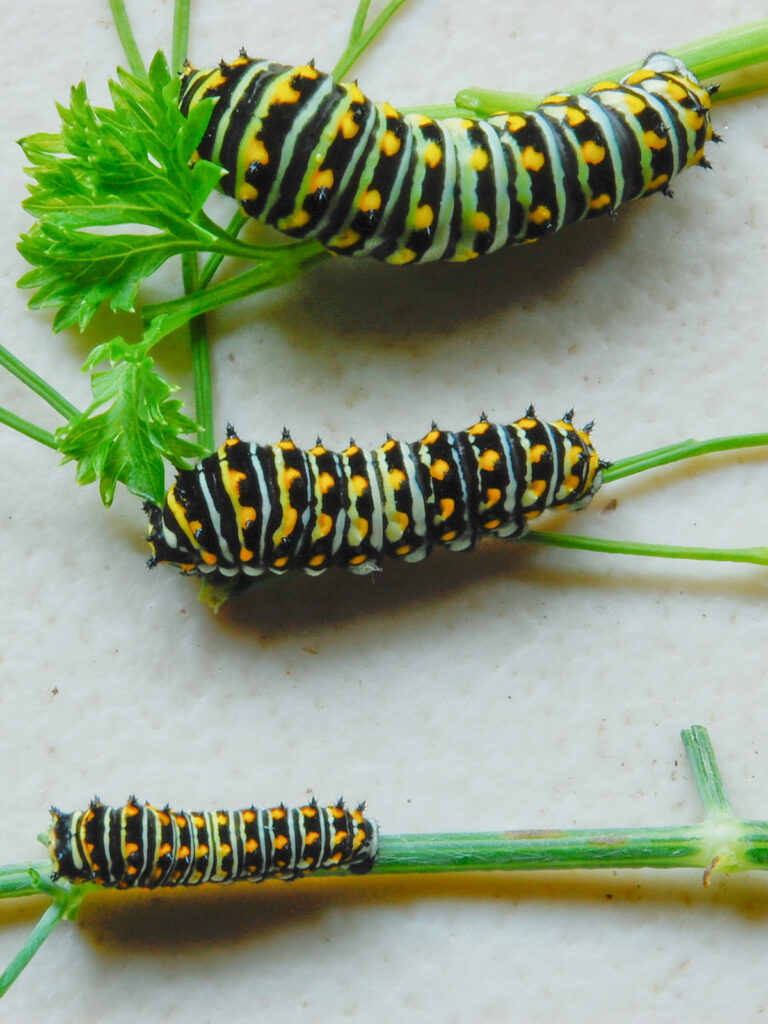
A photographic journey of the eastern black swallowtail butterfly life cycle stages + raising black swallowtails tips. Here are black swallowtail caterpillars at three different stages ("instars"). In this case, it's eating parsley, another of its (non-native) larval host plants. The orange forked part is the osmeterium, a defensive organ. When it feels threatened, it emerges and releases a foul smell. All caterpillars in this family have this "device."