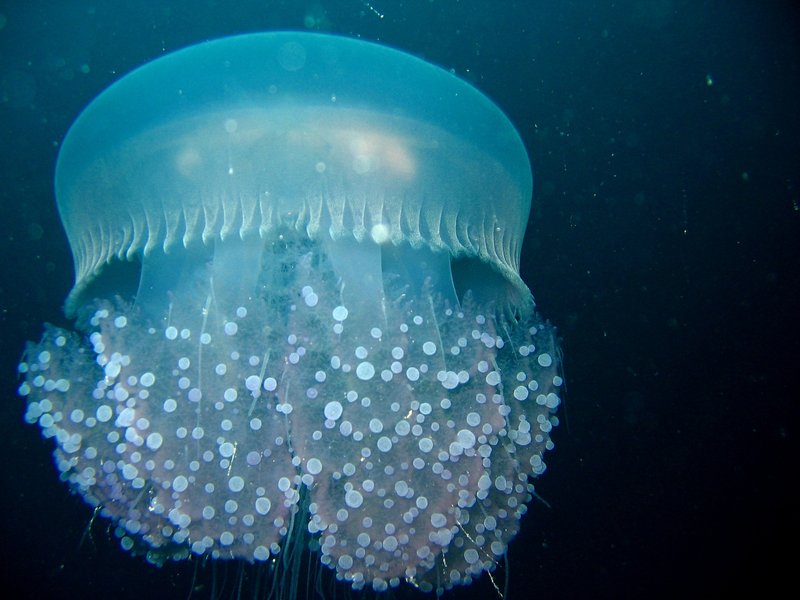
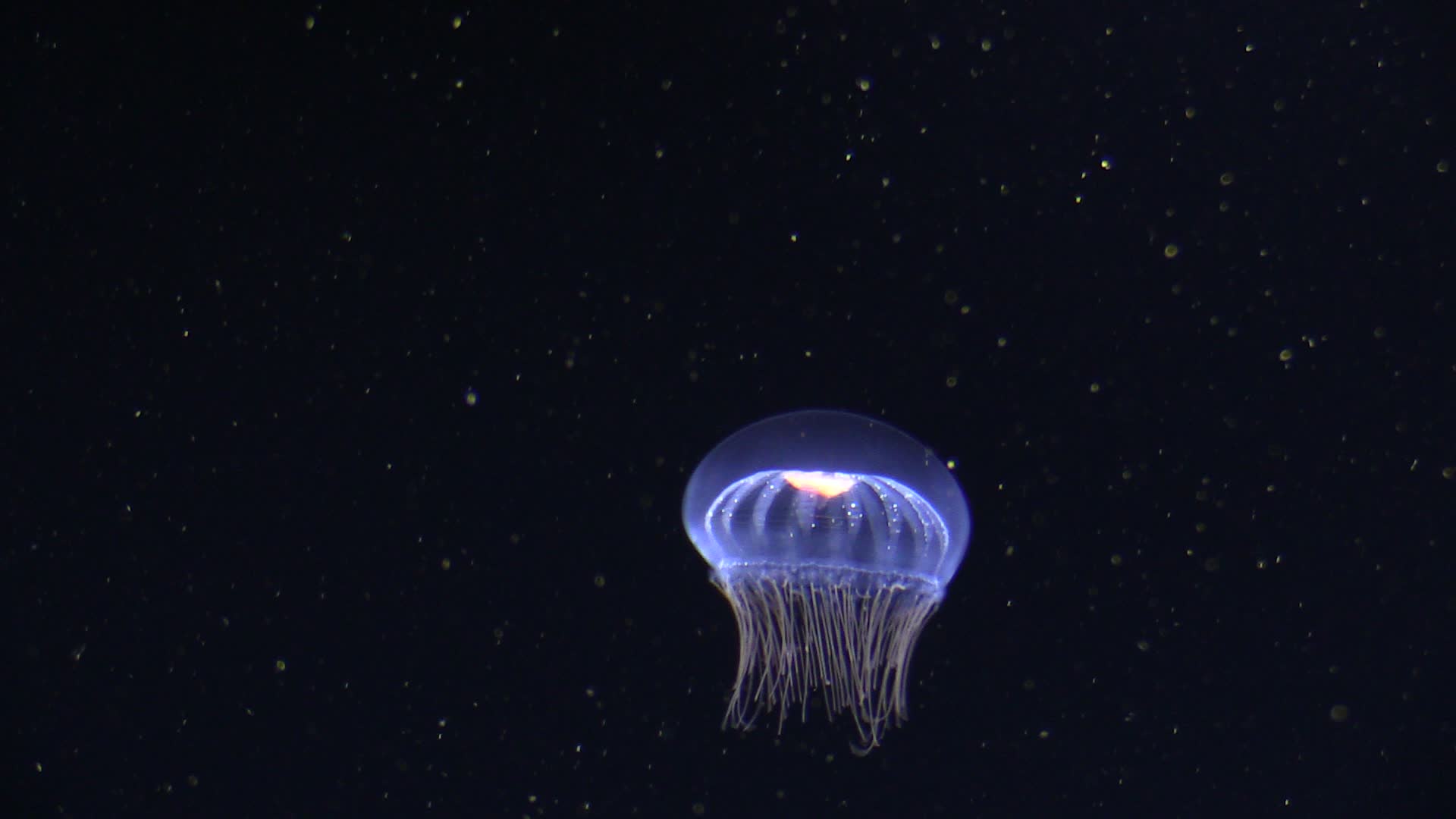
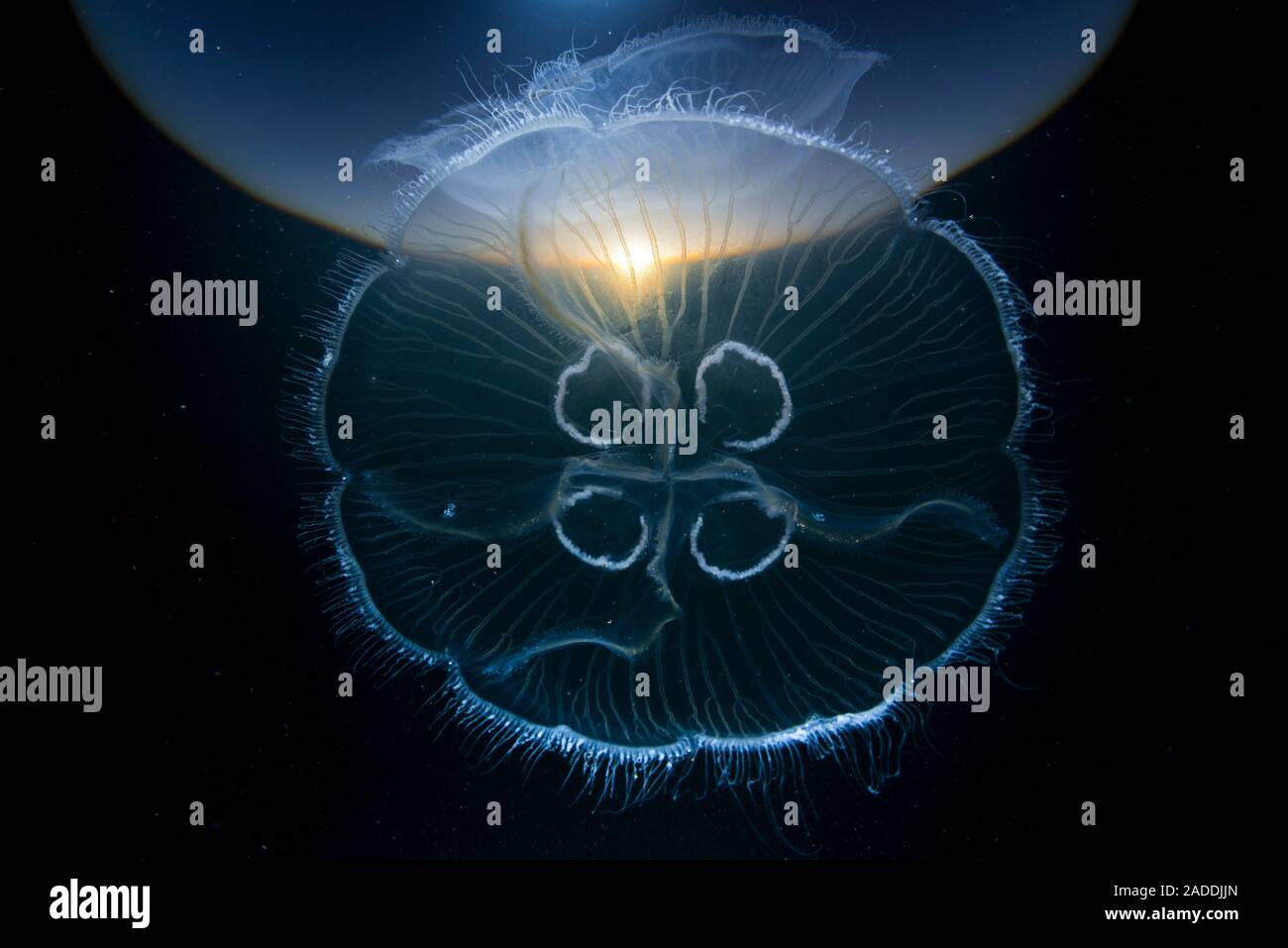
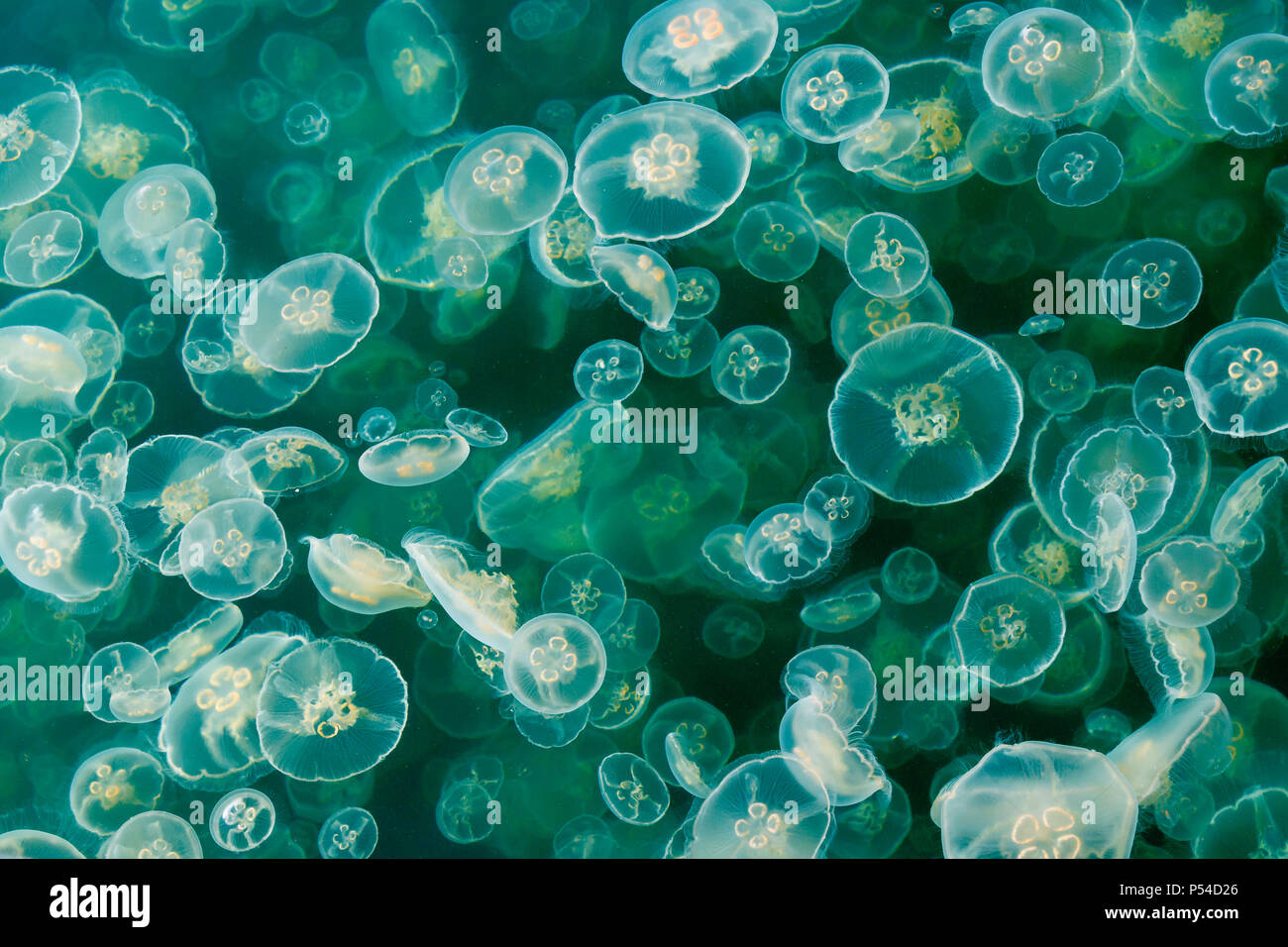
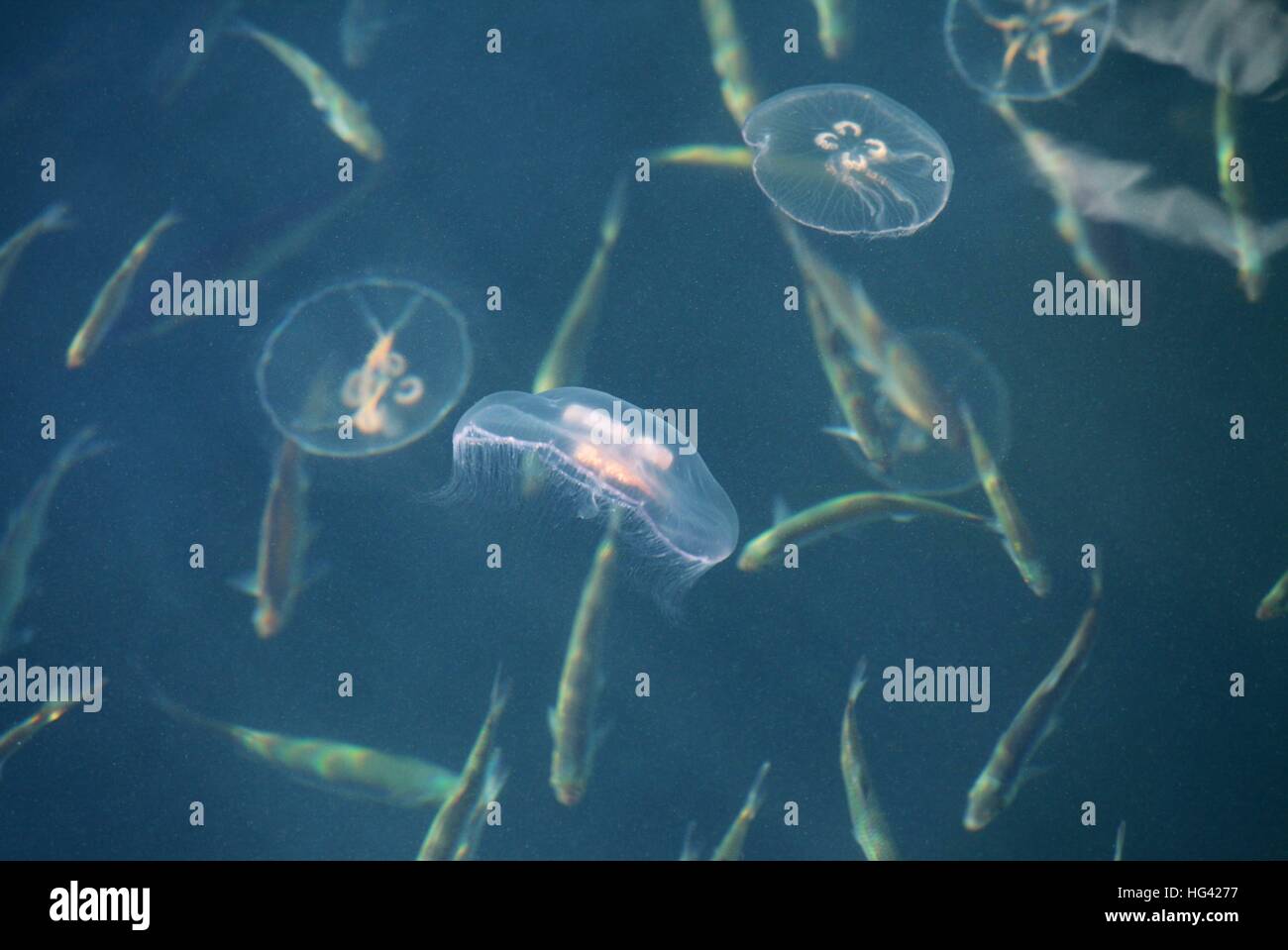
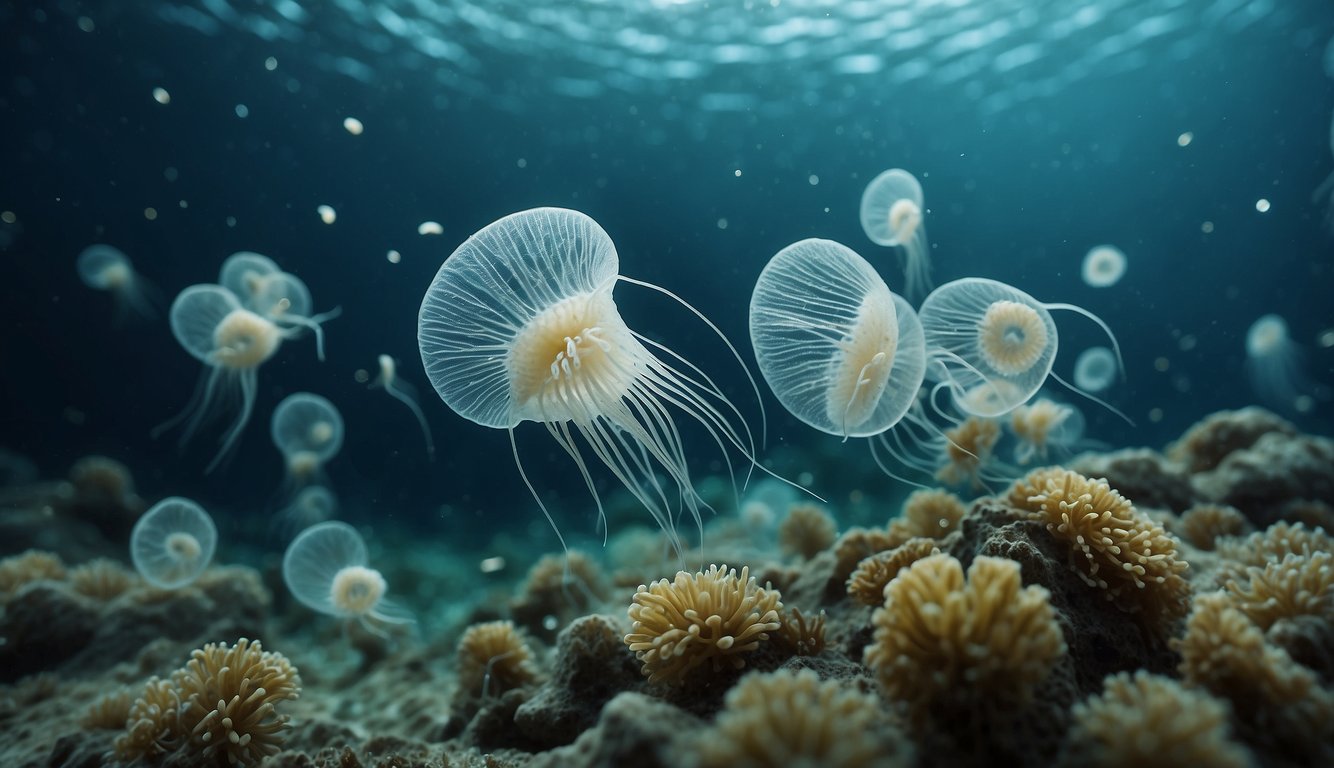
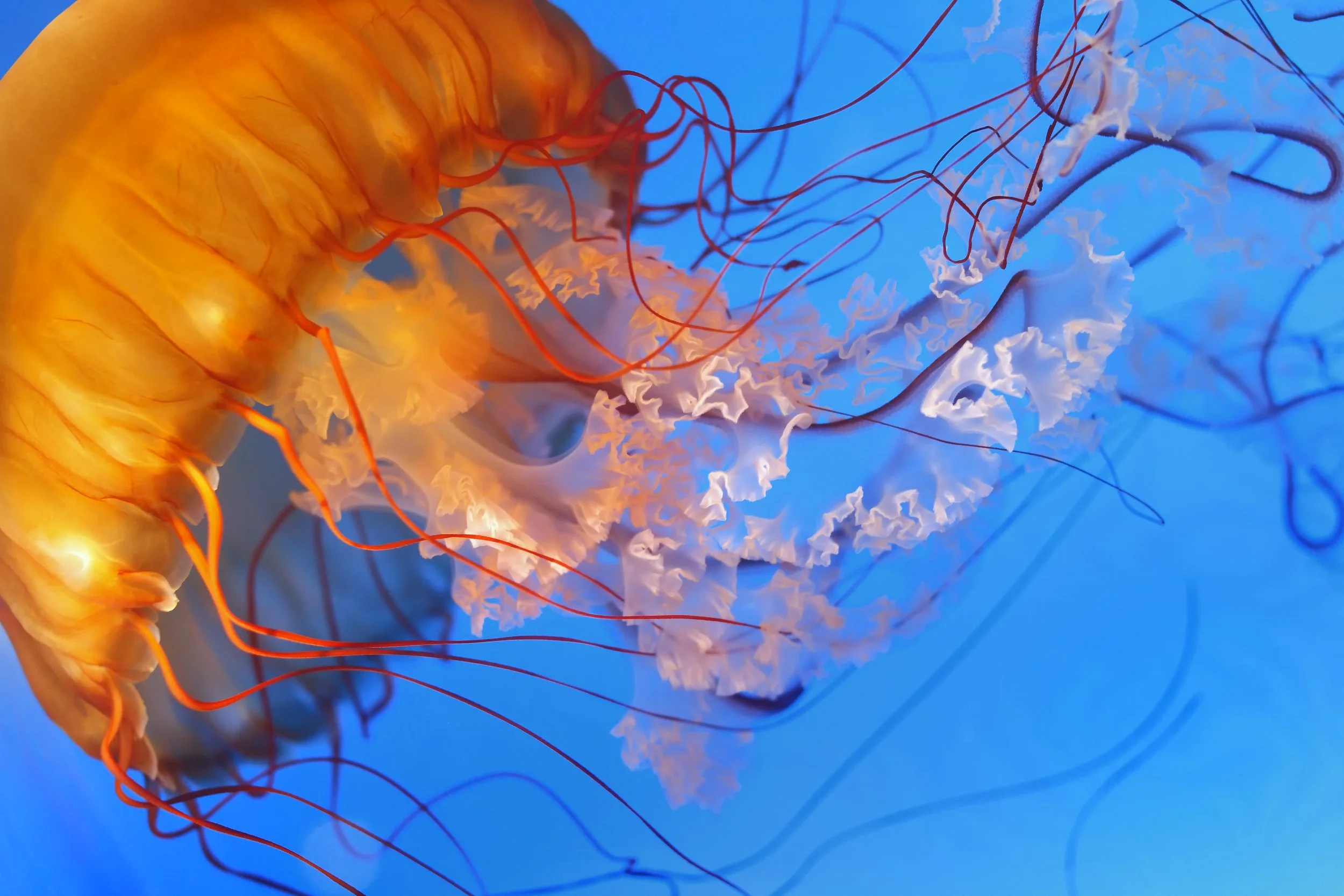
Marine plankton and juvenile jellyfish Stock Image C055/8525
Web.Clearbg.Online·
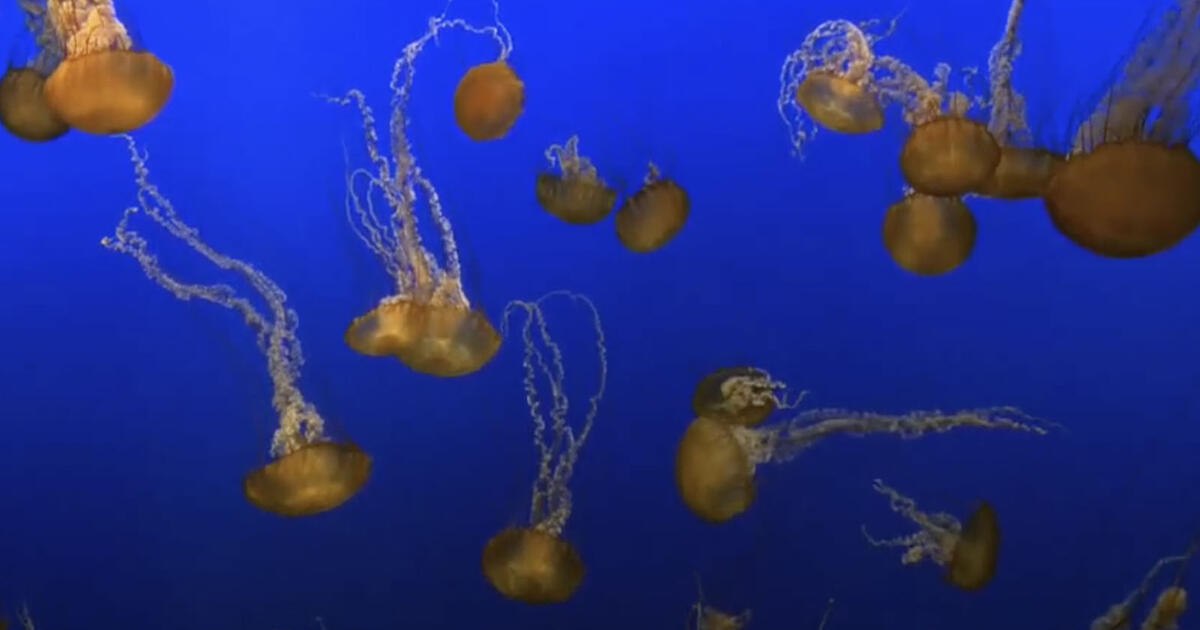
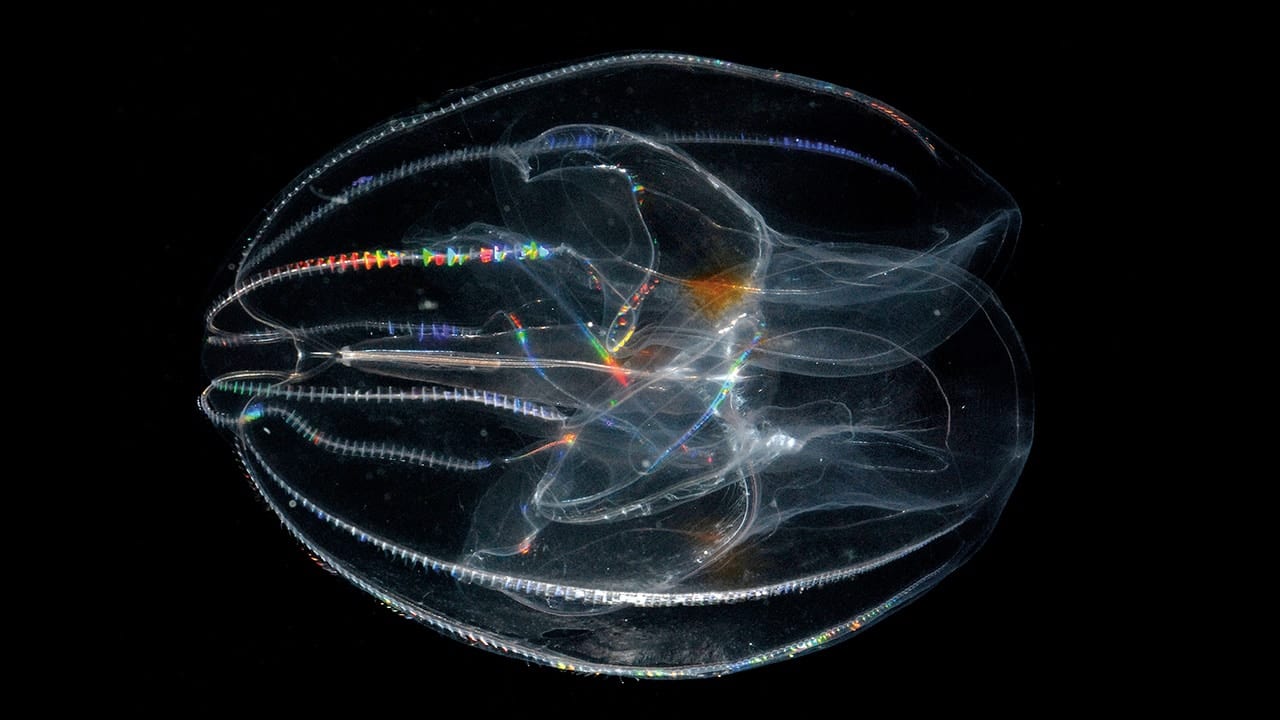
Mostly plankton just drift where currents take them, though some, like jellyfish, swim slowly but not fast enough to generally overcome the influence of currents. Plankton are a diverse group, which traditionally were divided into two trophic (feeding) groups: phytoplankton and zooplankton.. Jellyfish are slow swimmers, and most species form part of the plankton. Traditionally jellyfish have been viewed as trophic dead ends, minor players in the marine food web, gelatinous organisms with a body plan largely based on water that offers little nutritional value or interest for other organisms apart from a few specialised predators such as the ocean sunfish and the leatherback sea.
Plankton blooms Causes and Consequences Plankton PortalWhat Do Jellyfish Eat & How Do They Do It?Are Jellyfish PhytoplanktonBlue jellyfish feeding on small plankton Stock Image C041/5505Jellyfish Eating Plankton Comb Jelly (Sea Walnut) Online LearningWhat Do Jellyfish Eat & How Do They Do It?Jellyfish Gelatinous Plankton at Hannah Belisario blogNew insights into the world of gelatinous planktonJellyfish Plankton? The Surprising Truth You Need To KnowPremium AI Image a jellyfish swimming through a field ofPlankton and Plastic in the Big Blue Research Communities byAre Jellyfish PhytoplanktonA large number of jellyfish are seen gracefully swimming togetherMarine plankton and juvenile jellyfish Stock Image C055/8525Jellyfish vs. Plankton What's the Difference? This vs. ThatJellyfish. A jellyfish's prey of fish, plankton or crustaceans isPlankton bloom ocean hires stock photography and images AlamyGelatinous zooplankton (GZ) groups. GZ combine the phyla (A) CnidariaJellyfish Eating Plankton Comb Jelly (Sea Walnut) Online LearningJellyfish Eating Plankton Comb Jelly (Sea Walnut) Online LearningJellyfish & Other Zooplankton Woods Hole Oceanographic InstitutionAre Jellyfish PhytoplanktonJellyfish Eating PlanktonThe Curious World of Plankton Exploring Their Surprising Roles inShaw Centre for the Salish Sea — PLANKTON POWER —Plankton Bowen Island ConservancyJellyfish zooplankton.nlJellyfish Gelatinous Plankton at Hannah Belisario blogPremium AI Image a jellyfish swimming through a field ofWhat Do Jellyfish Eat? (Jellyfish Diet & How Do They
Jellyfish are significant consumers of plankton, feeding mostly on zooplankton using tentacles and/or oral arms containing stinging cells called nematocysts (Lucas and Dawson, 2014).. Jellyfish, often seen drifting gracefully in the ocean, are scientifically classified as plankton. This classification might surprise many, as these creatures are often perceived as larger, more complex organisms. Understanding this classification is crucial because it reshapes our view of marine life and the intricate web of the ocean's ecosystem.