The Solar System planets are an array of colours, from vibrant yellows, reds and blues to dark greys and murky browns. But why is this? What colour are the planets, why are they all different colours and what causes these differences?. Here's a tour of the planets that examines what we know about each world's true colors. What color is Mercury? Mercury has a gray, slightly brownish appearance, somewhat similar to Earth's Moon. Our best global pictures of the planet were made using images partially comprised of light from outside our visual range.

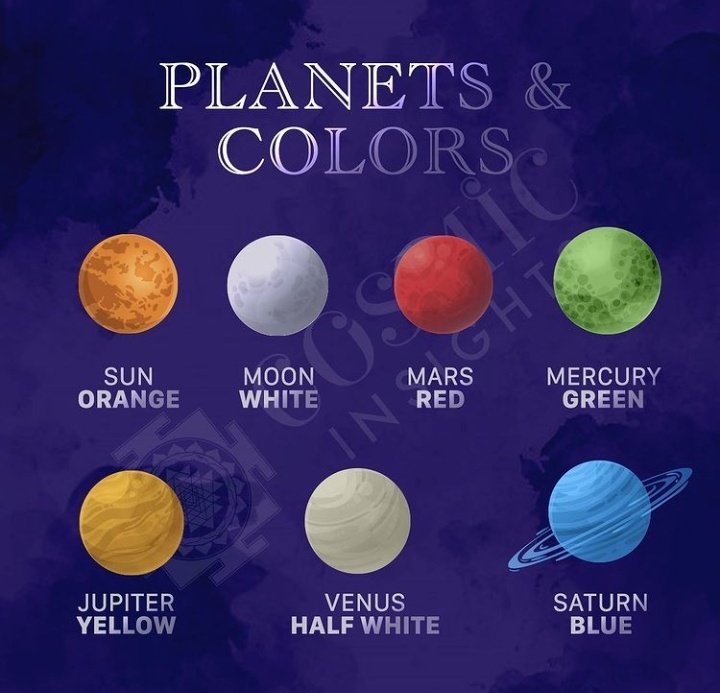





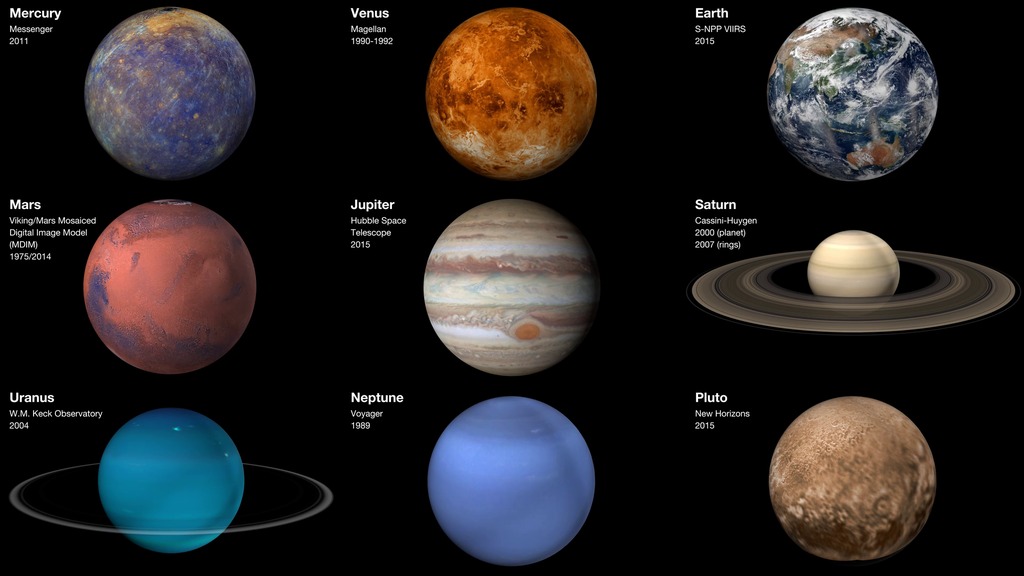
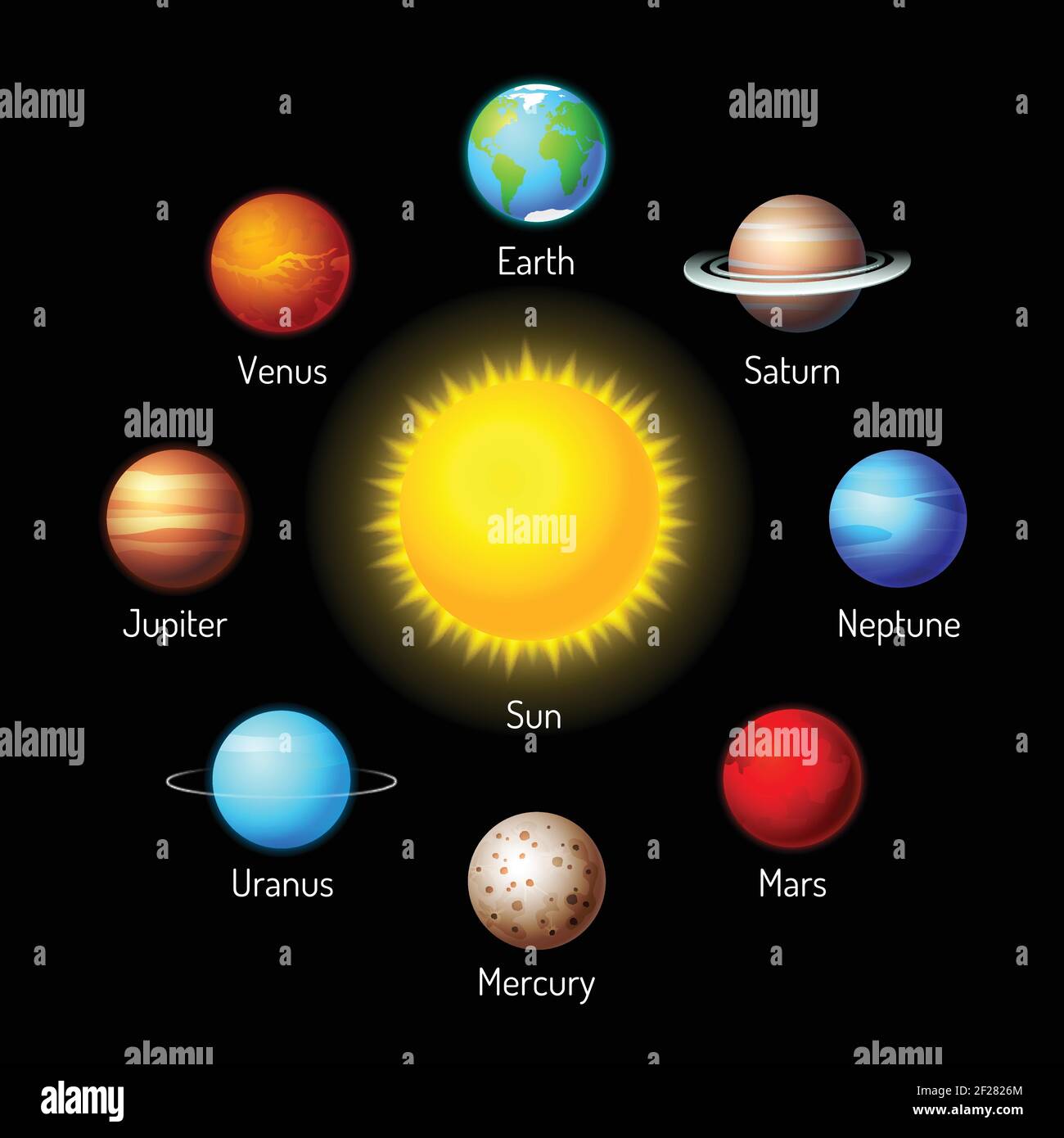
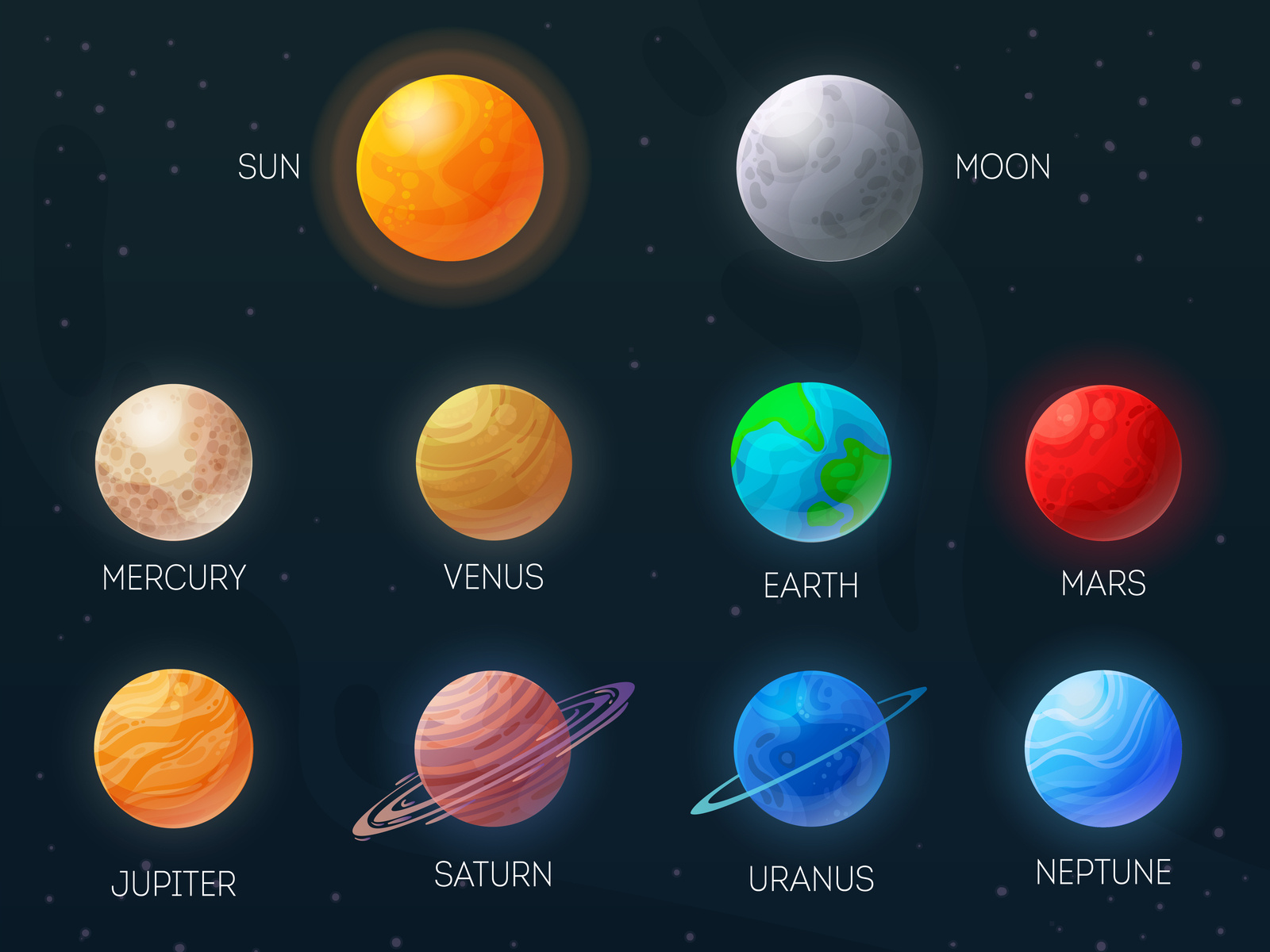

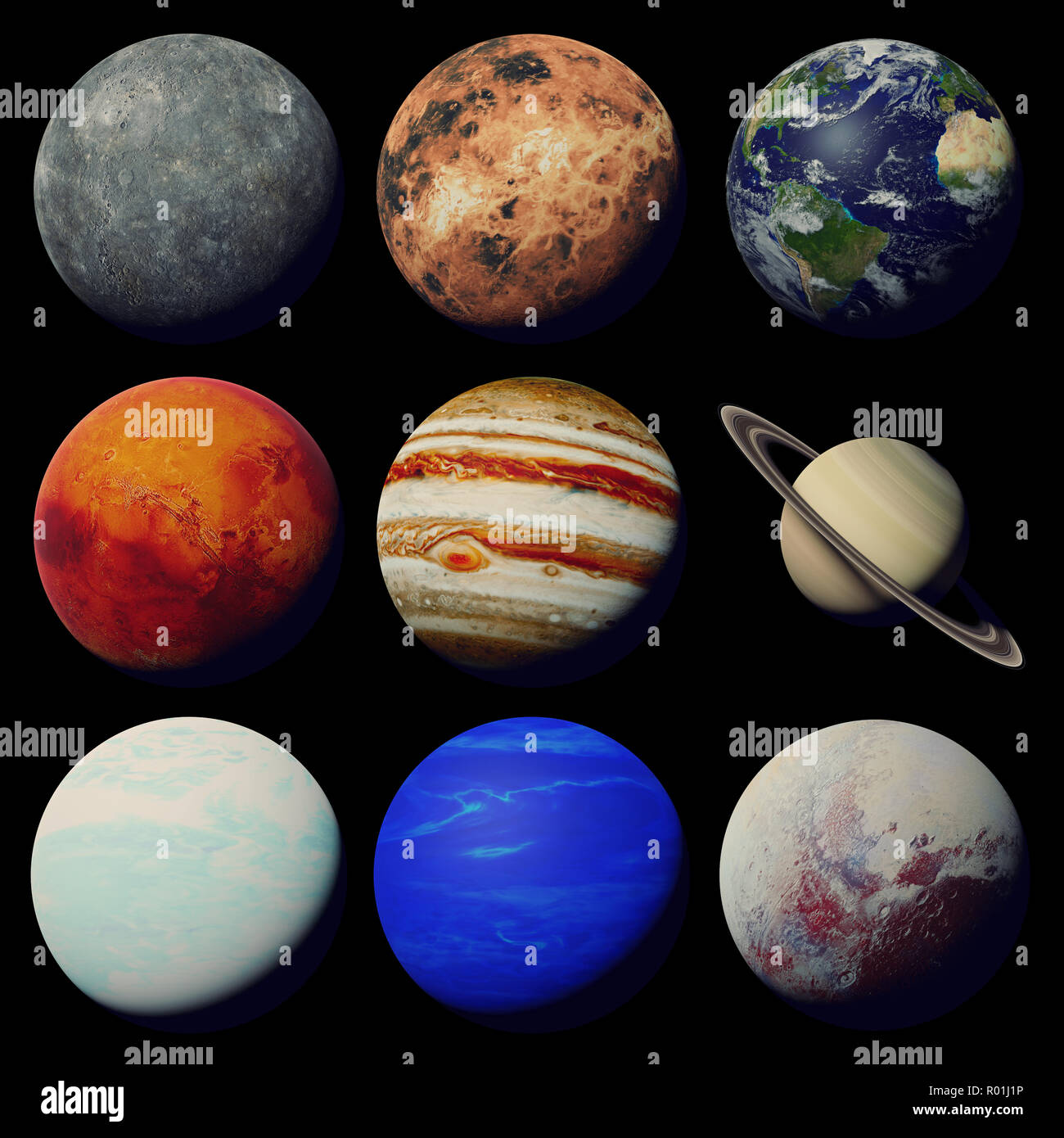


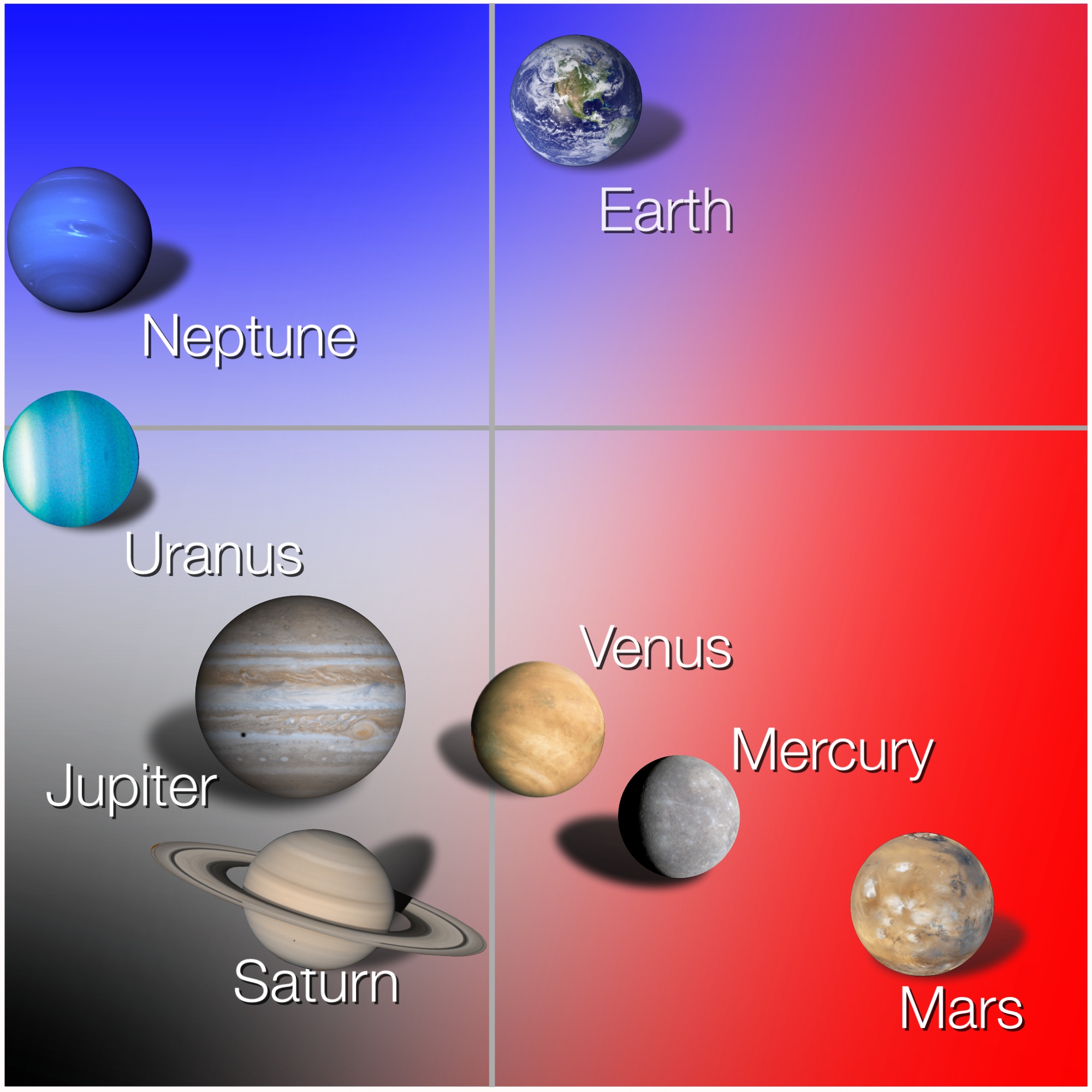
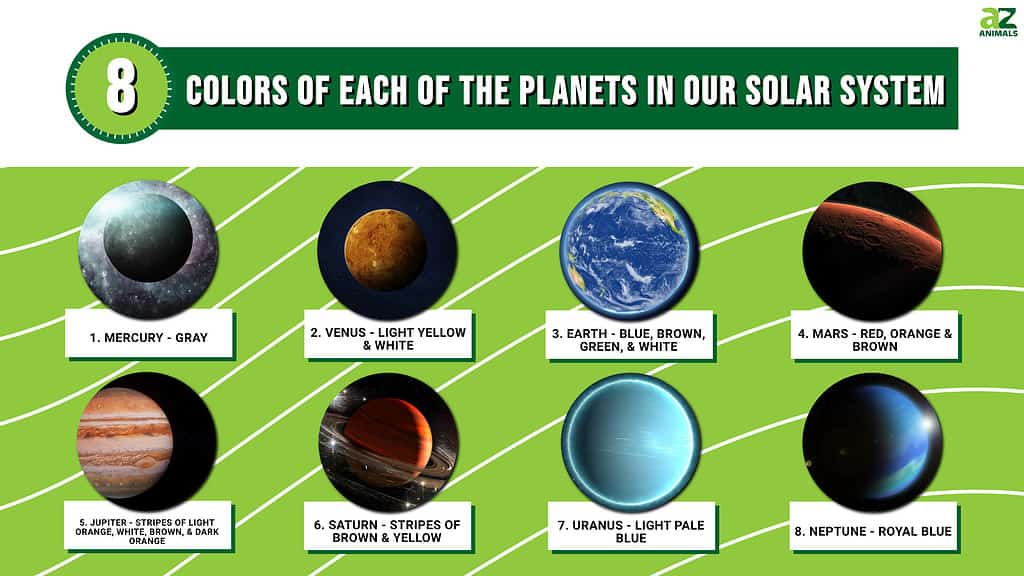
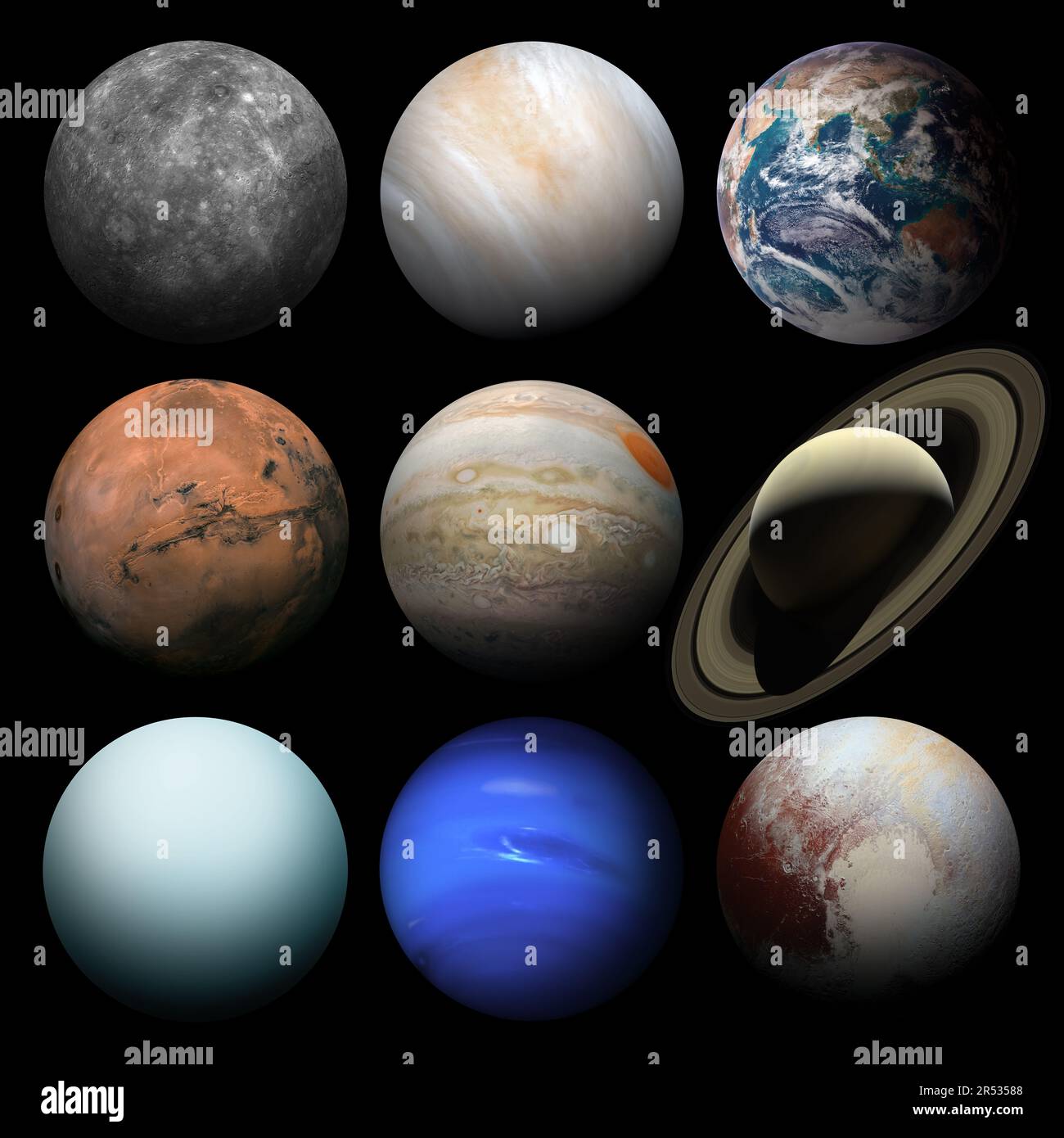
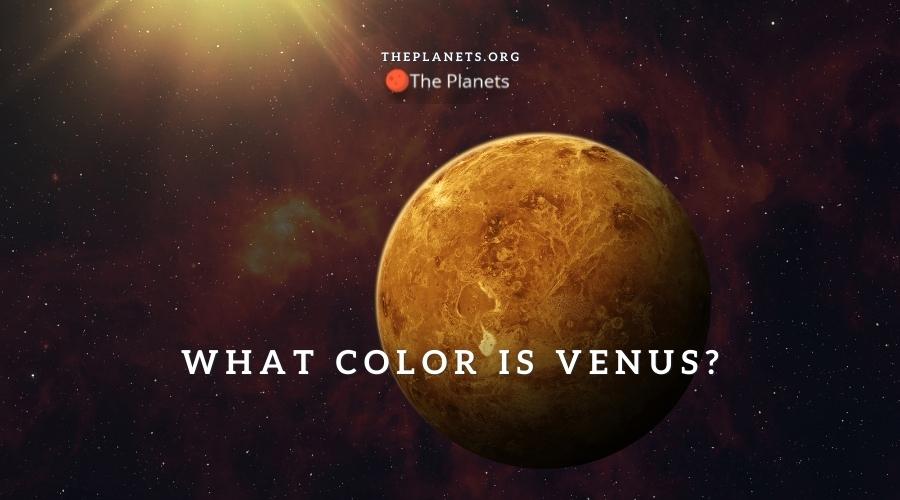


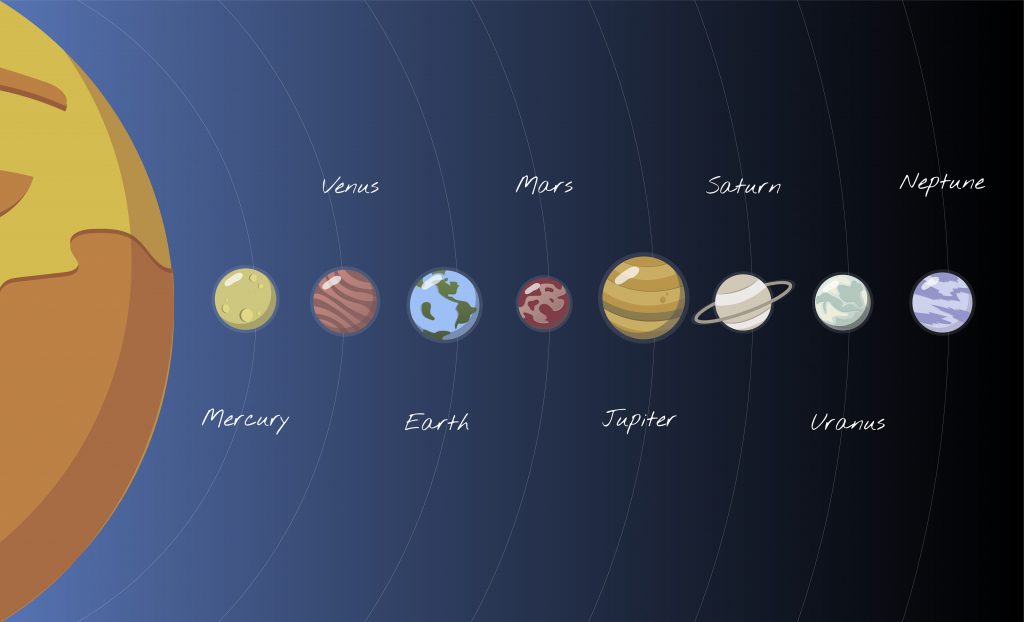
Here is where things start to get interesting in terms of the color of the planets. When you look at it from Earth, Venus has hazy light-yellow and white colors. But what we see is not its surface. It's just the thick clouds in its very dense atmosphere. The yellow clouds are the result of high concentrations of sulfuric acid. which often rains on the planets. We have little information.. The solar system is made up of eight planets with varying colors that change depending on the atmosphere and mineral composition. Images of the planets are often enhanced, which can distort their true colors. Mercury and Mars are identified by their gray and reddish tones, respectively, due to their composition. Planets like Jupiter and Saturn display bands of color that result from their.