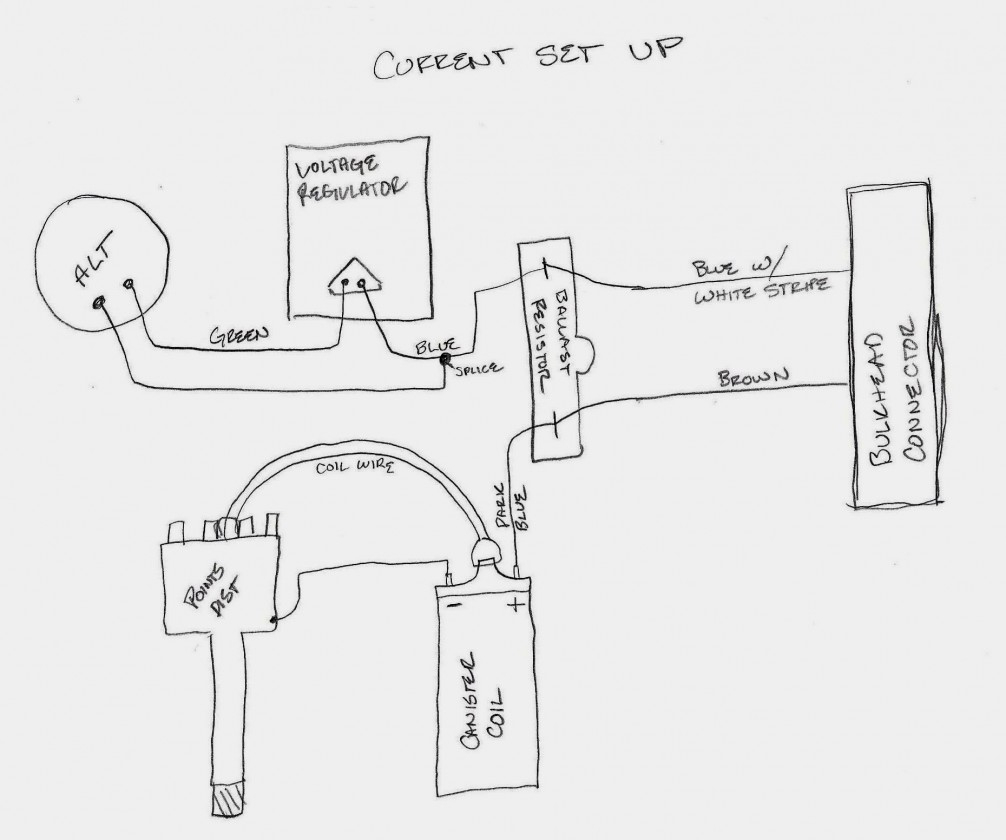
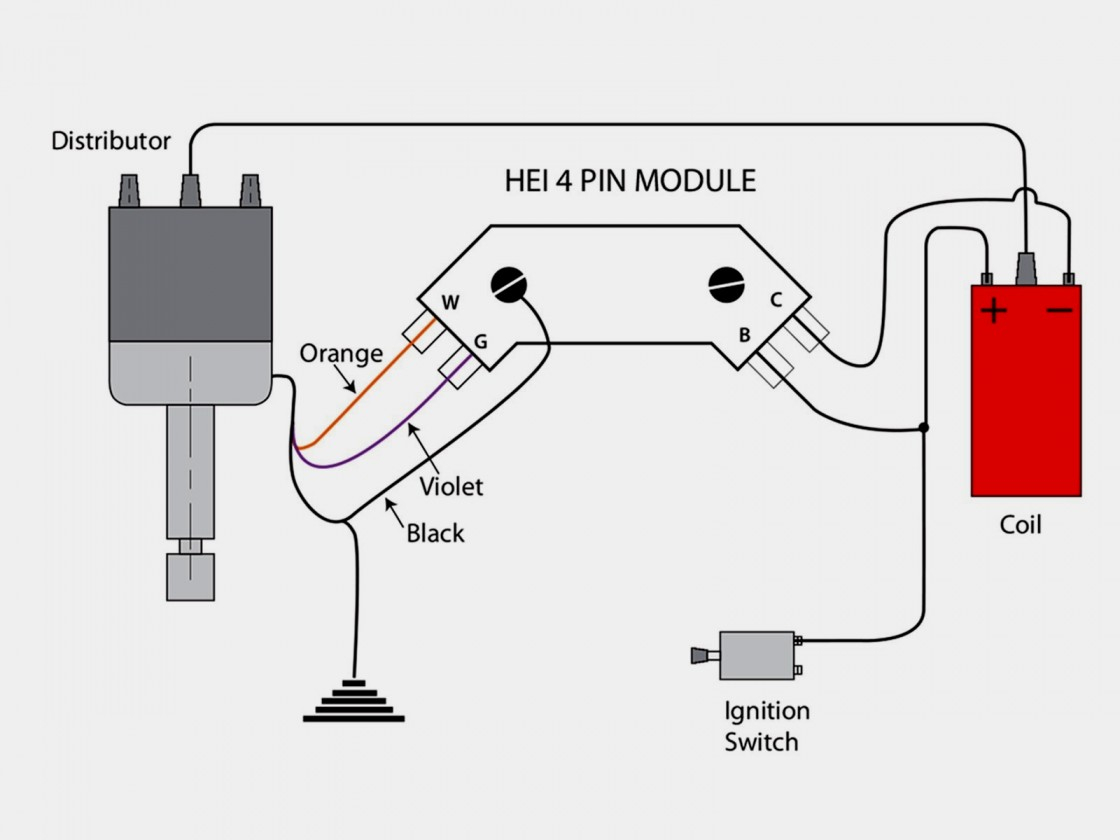
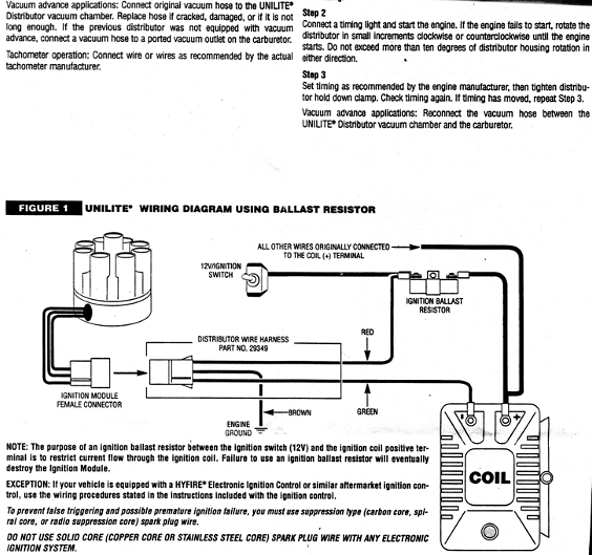
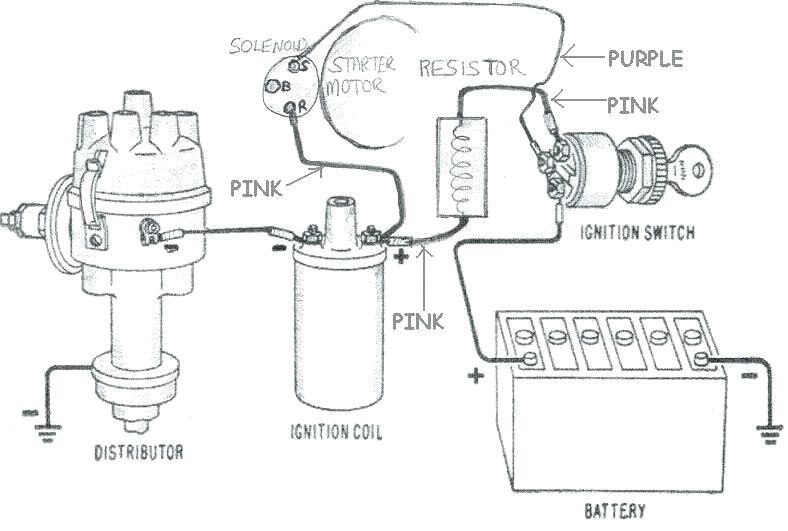
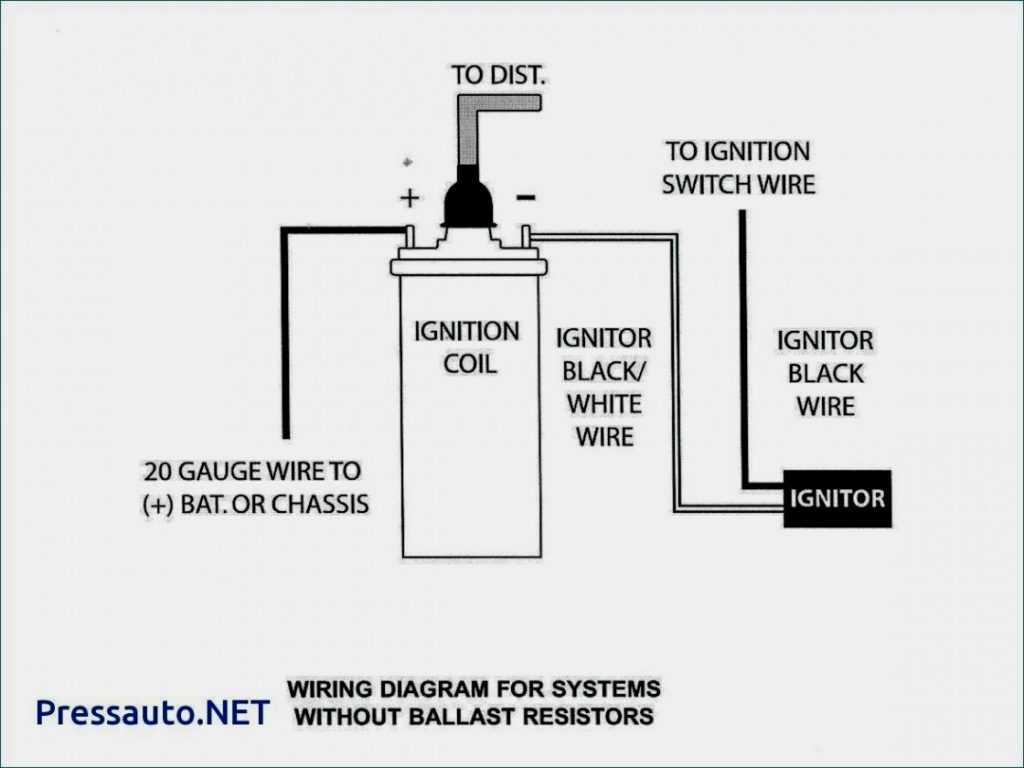
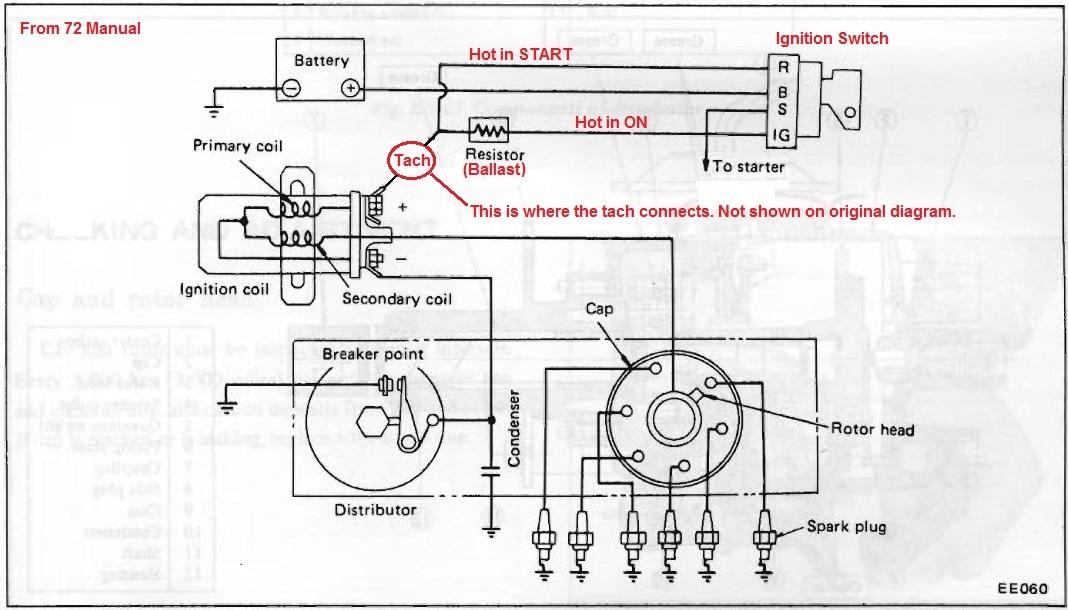
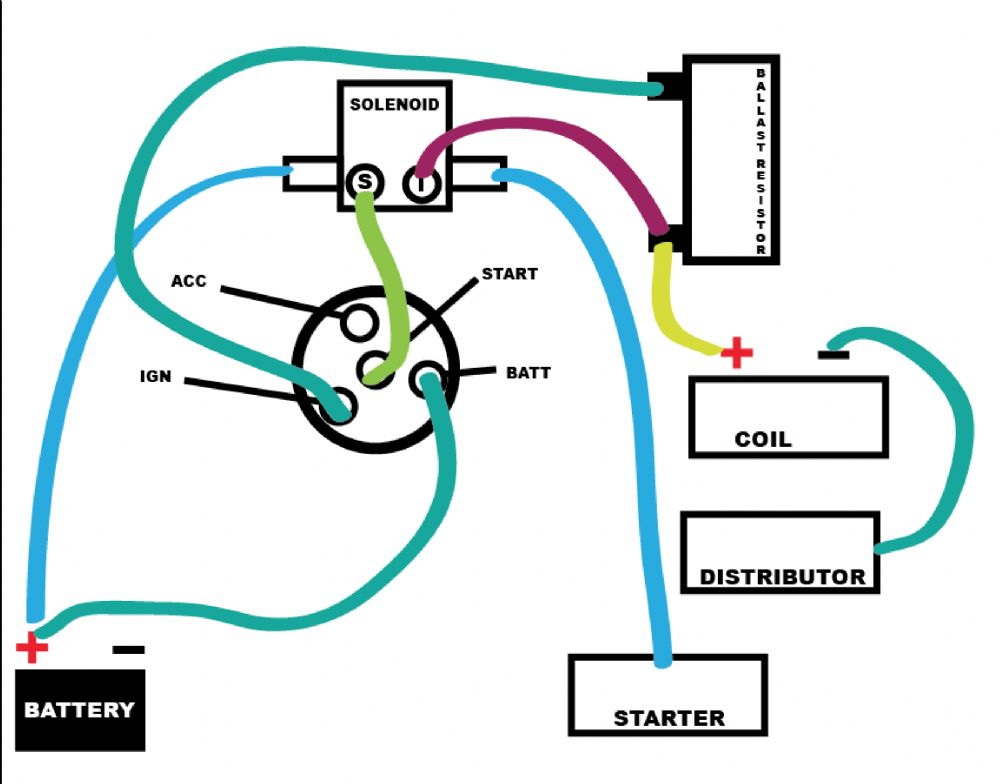
The job of the ballast resistor was to inhibit current to a level that would not overheat the coil. This simple system is easy for even the novice mechanic to wire. So if you have a classic car with missing ignition components, don't hesitate to replace the coil and ballast resistor yourself.. The ballasted ignition system uses a coil with half the primary resistance, 1.6 ohms, and a series connected ballast resistor with similar resistance, giving the same total resistance and same current draw. Electrical connections are shown above. Connect the ballast resistor between ignition switch and coil.





![[DIAGRAM] Chevy Traverse Wiring Diagram Ignition Coil](https://simpletractors.com/uploads/monthly_2018_06/ignition-coil-ballast-resistor-wiring-diagram-lovely-1988-420sel-mercedes-benz-parts-diagram-e280a2--ra-of-ignition-coil-ballast-resistor-wiring-diagram-657x657.jpg.3534a93ad1d5f89b329a142d430dca7f.jpg "[DIAGRAM] Chevy Traverse Wiring Diagram Ignition Coil")


![[DIAGRAM] 1951 Chevy Truck Wiring Diagram Ballast Resistor MYDIAGRAM](https://lh3.googleusercontent.com/proxy/jZ2Obsd9mm4VYqeNIjK1JkMyXXmW0EE1vSiF8OY5olXSaXGxNzpAg5hXIcLNvWqQC9SWK-h5lRynI2pyZzpy6486tcIZd8R-81jP3yLO9e0s7lN9Q9KVeF2bvRmrJkH2p6lKvEmXJotX-4vR5w=s0-d "[DIAGRAM] 1951 Chevy Truck Wiring Diagram Ballast Resistor MYDIAGRAM")



![[DIAGRAM] 1951 Chevy Truck Wiring Diagram Ballast Resistor MYDIAGRAM](https://www.corvetteforum.com/forums/attachments/c1-and-c2-corvettes/47644283d1256569237-what-coil-with-transistor-ignition-66-327-pictorial_ballast_resistor.jpg "[DIAGRAM] 1951 Chevy Truck Wiring Diagram Ballast Resistor MYDIAGRAM")

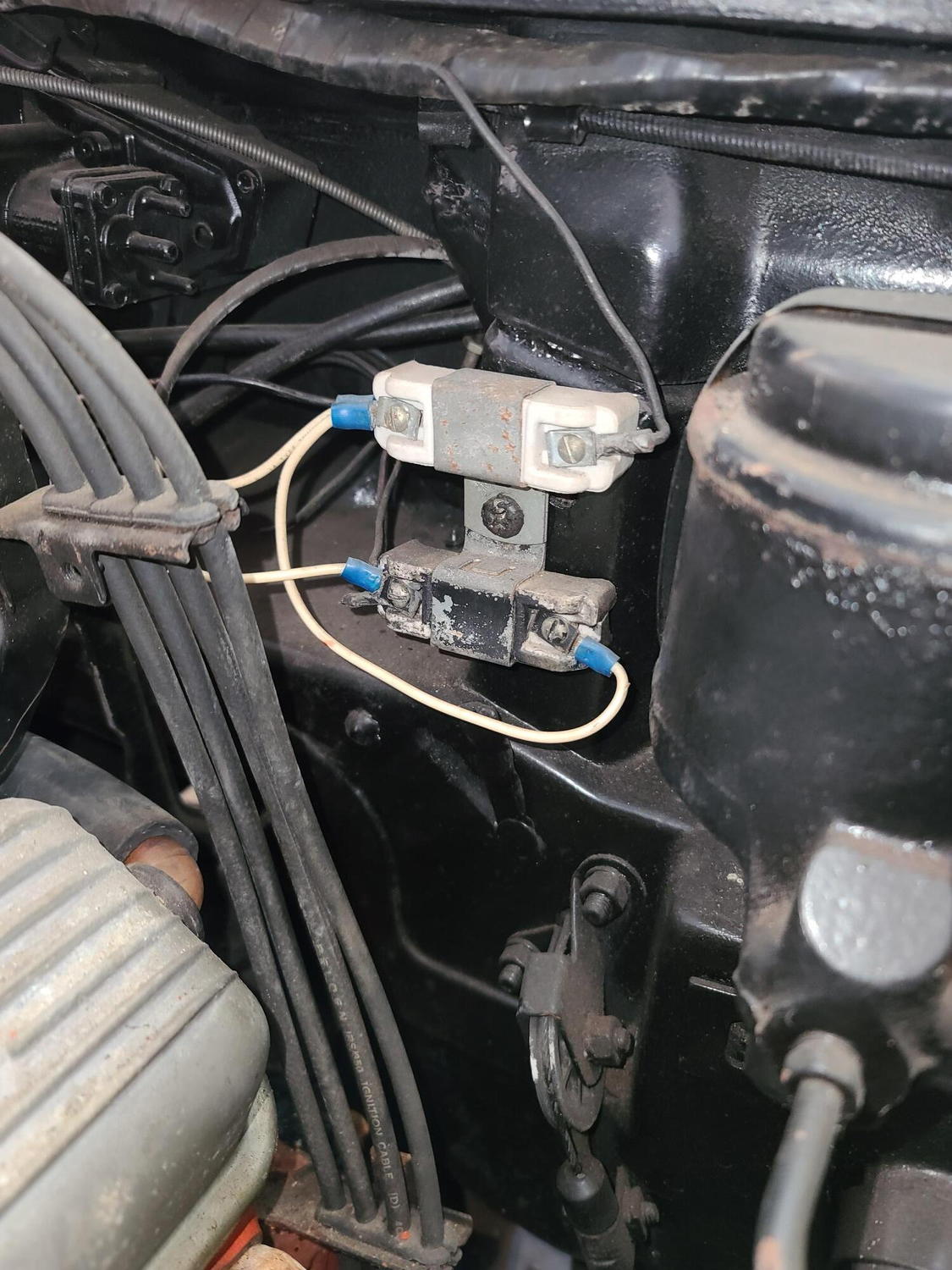
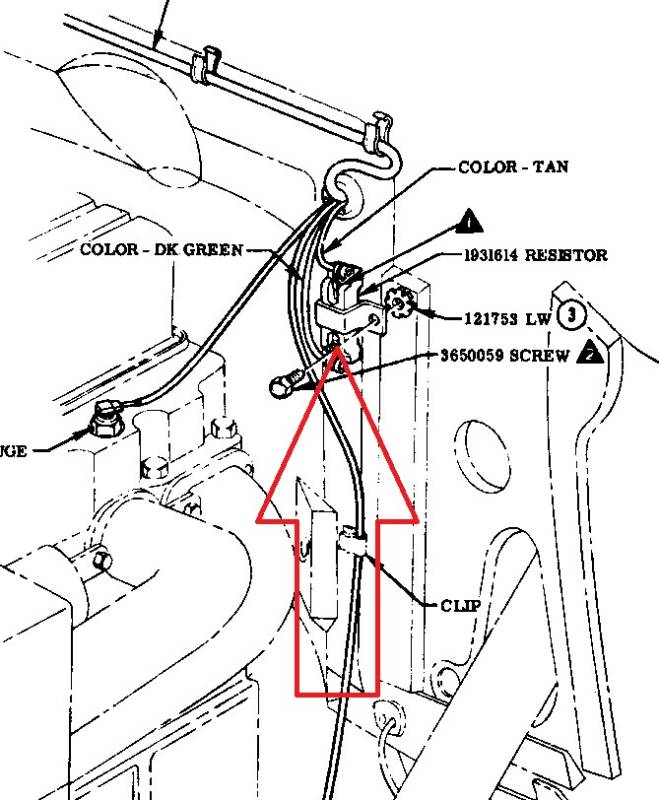
C1 & C2 Corvettes - 1965 327 ballast resistor wiring - I just noticed that there are wires attached to only one end of my ballast resistor. There is a red wire coming from the distributor, two black wires with tan stripes and a black wire from the coil + terminal. Several years ago I converted to the Pertronix.. GM started using primary resistance wire in '64 before that they used a ballast resister. With your battery hot take your volt meter and see what voltage you are getting at the end of the primary ignition wire (the one that goes from the switch to the coil). if it is 12v + you need a ballast resister and if it is 9V- you do not.