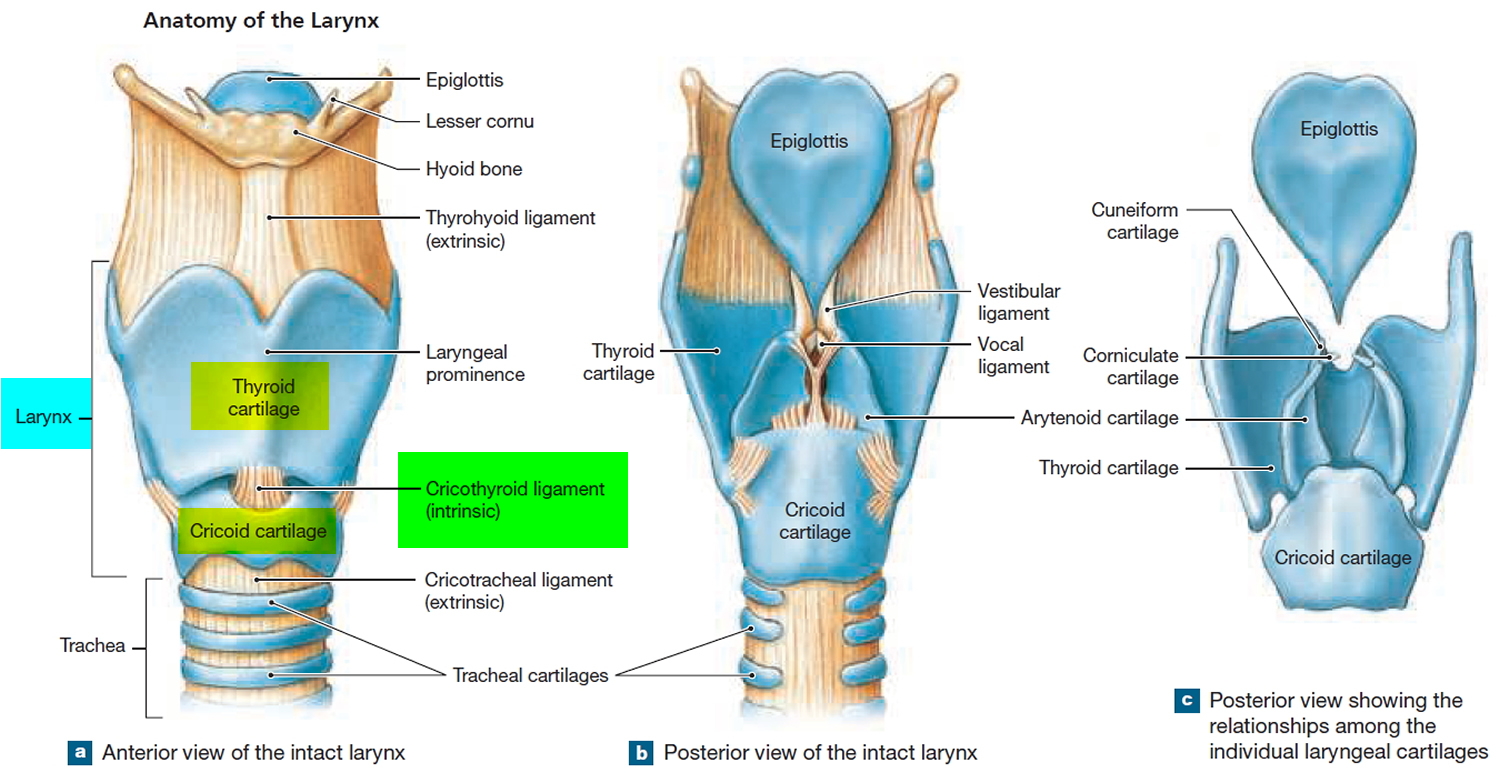
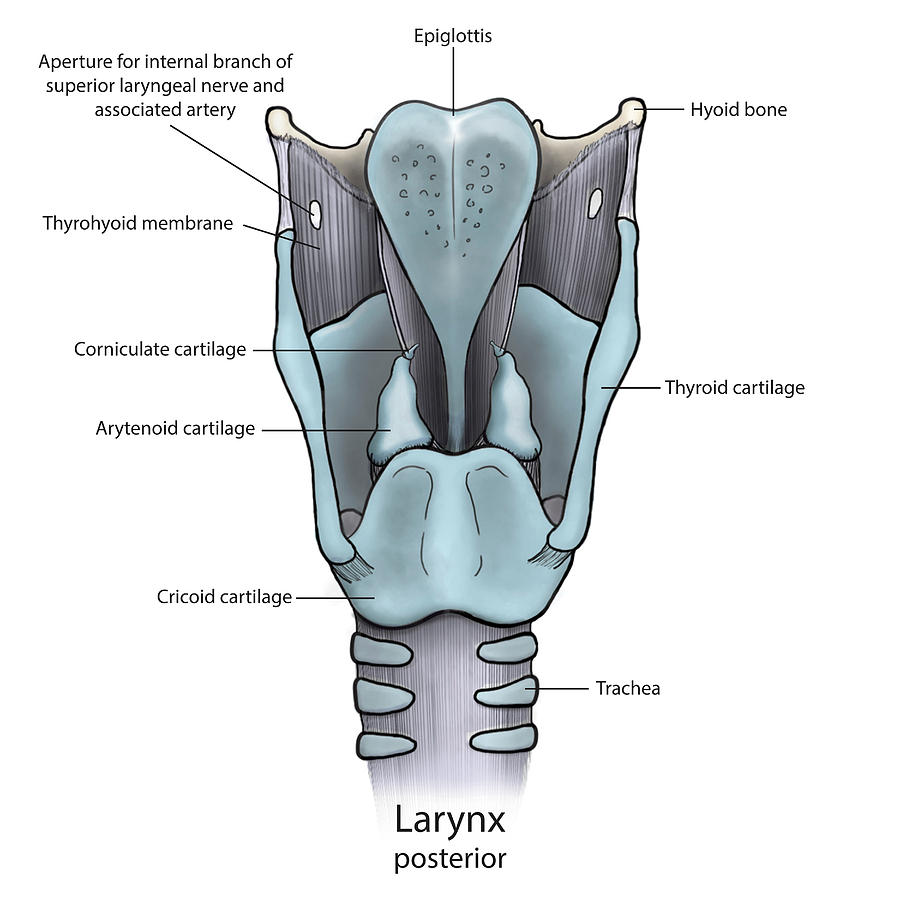
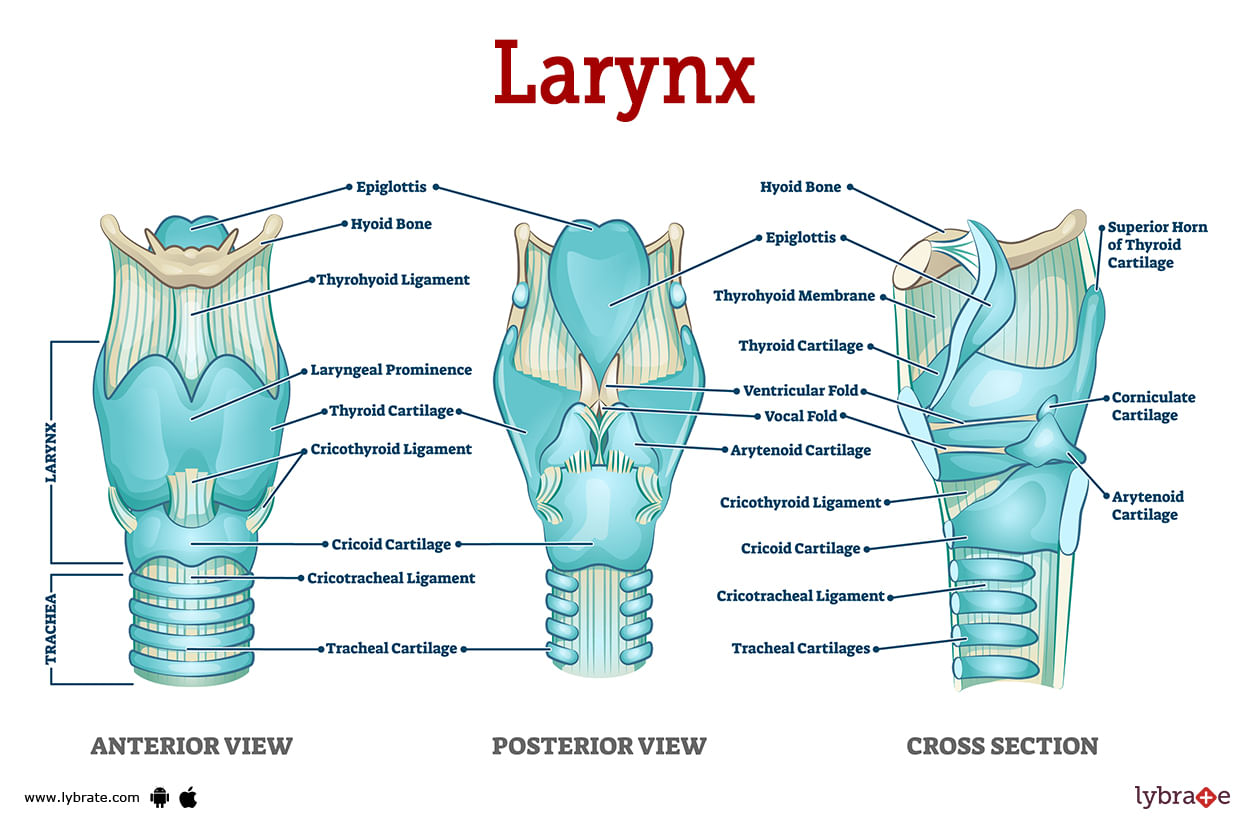
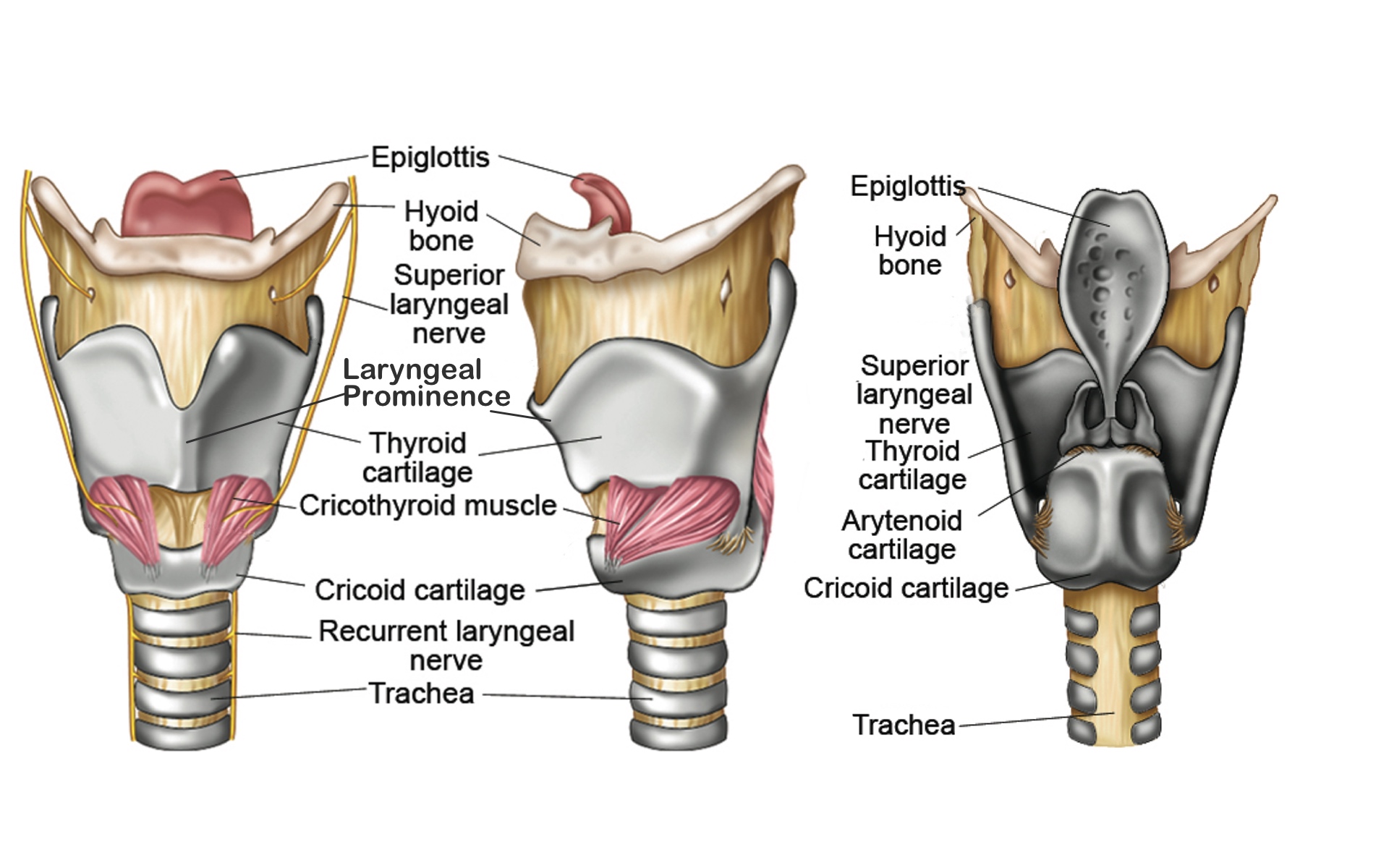
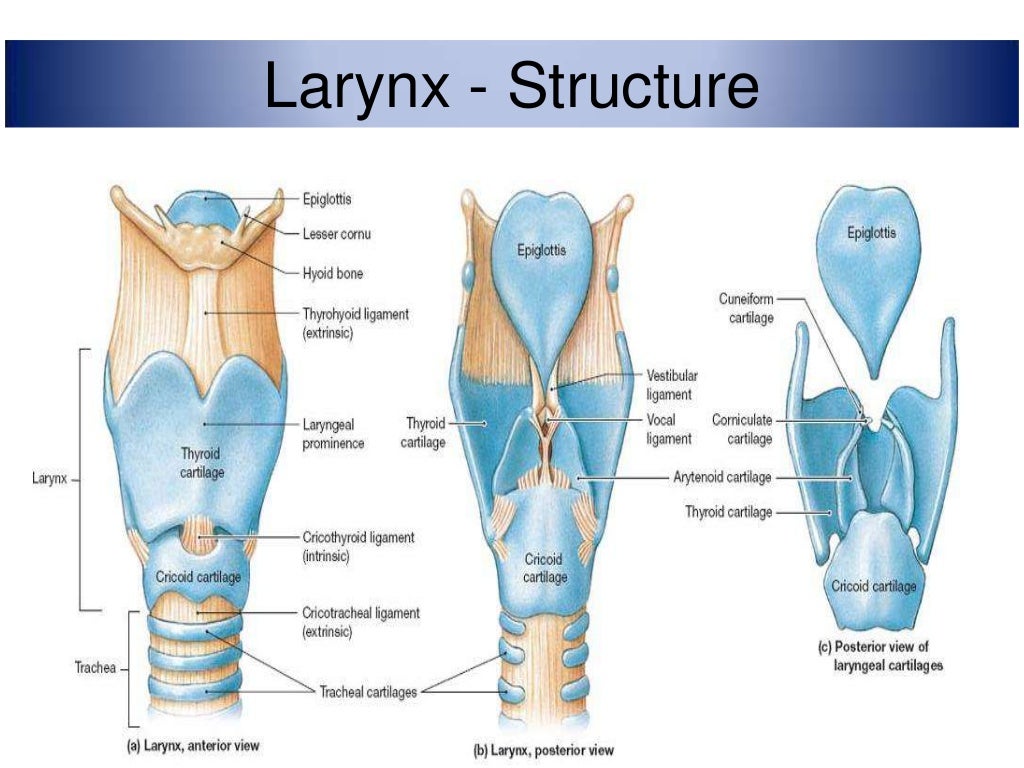
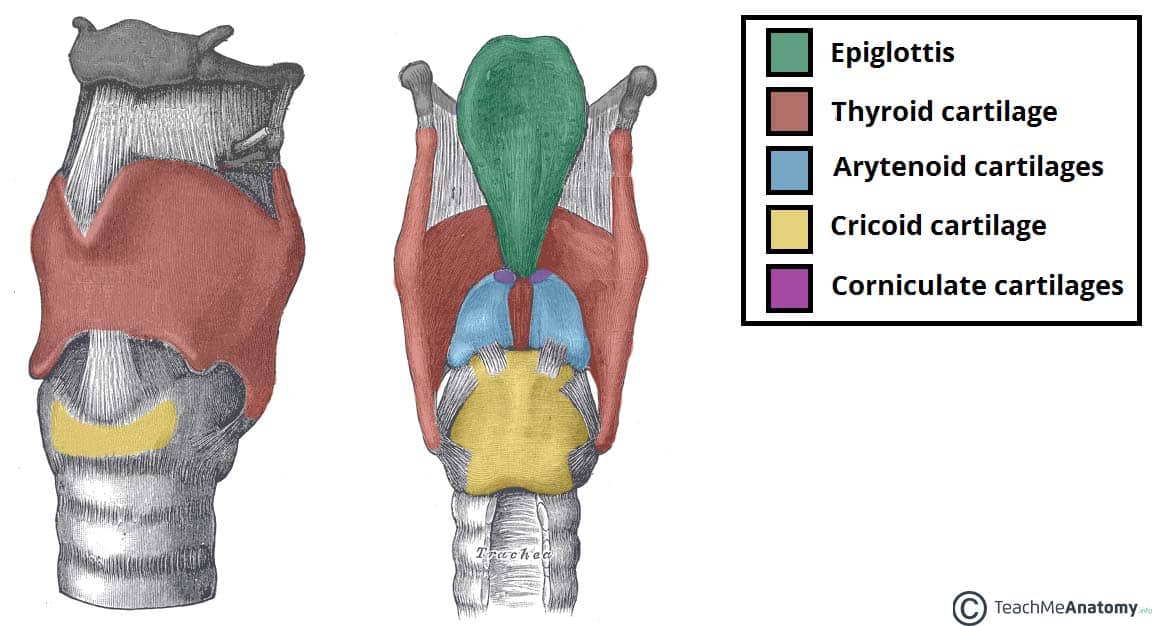
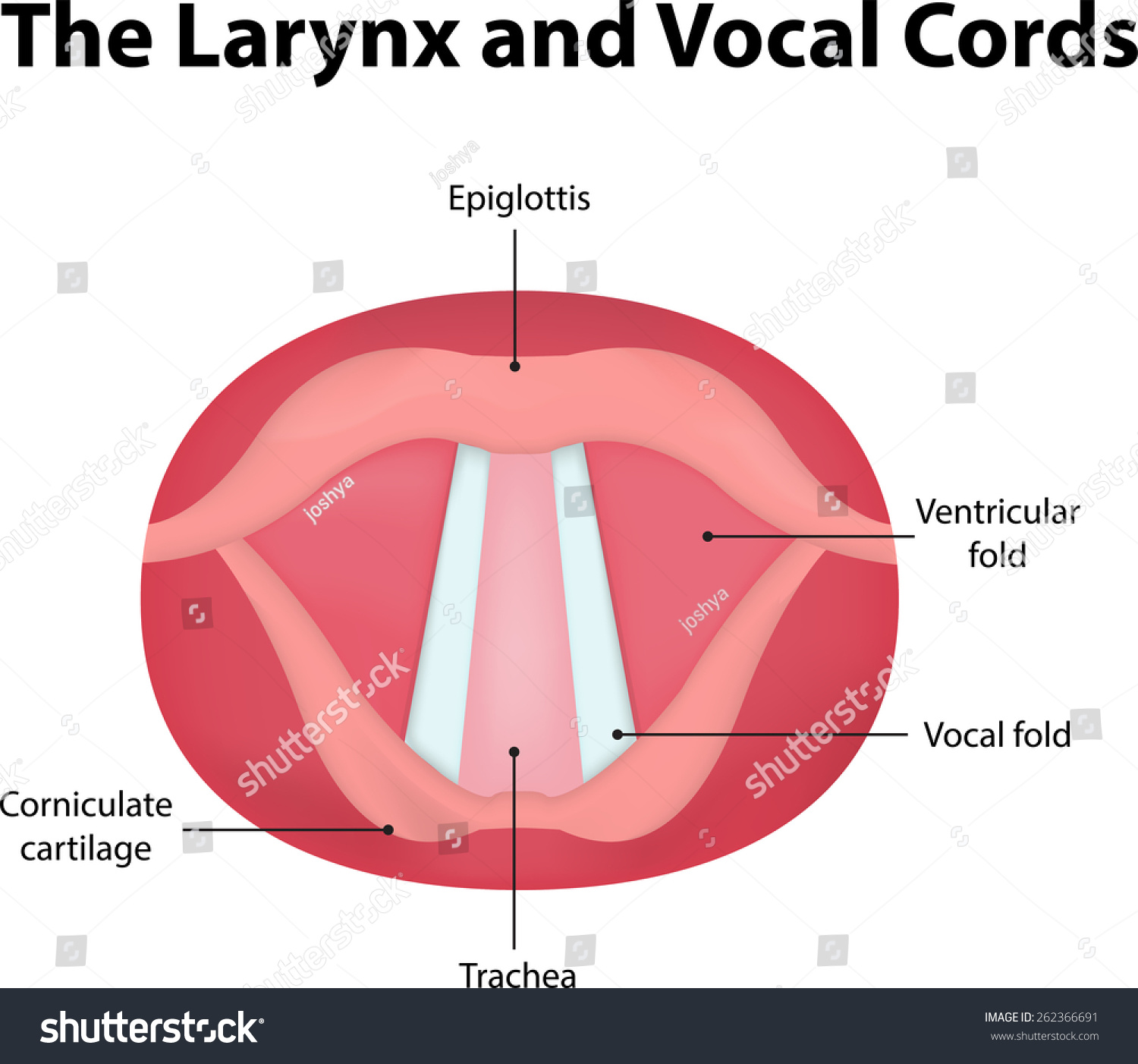
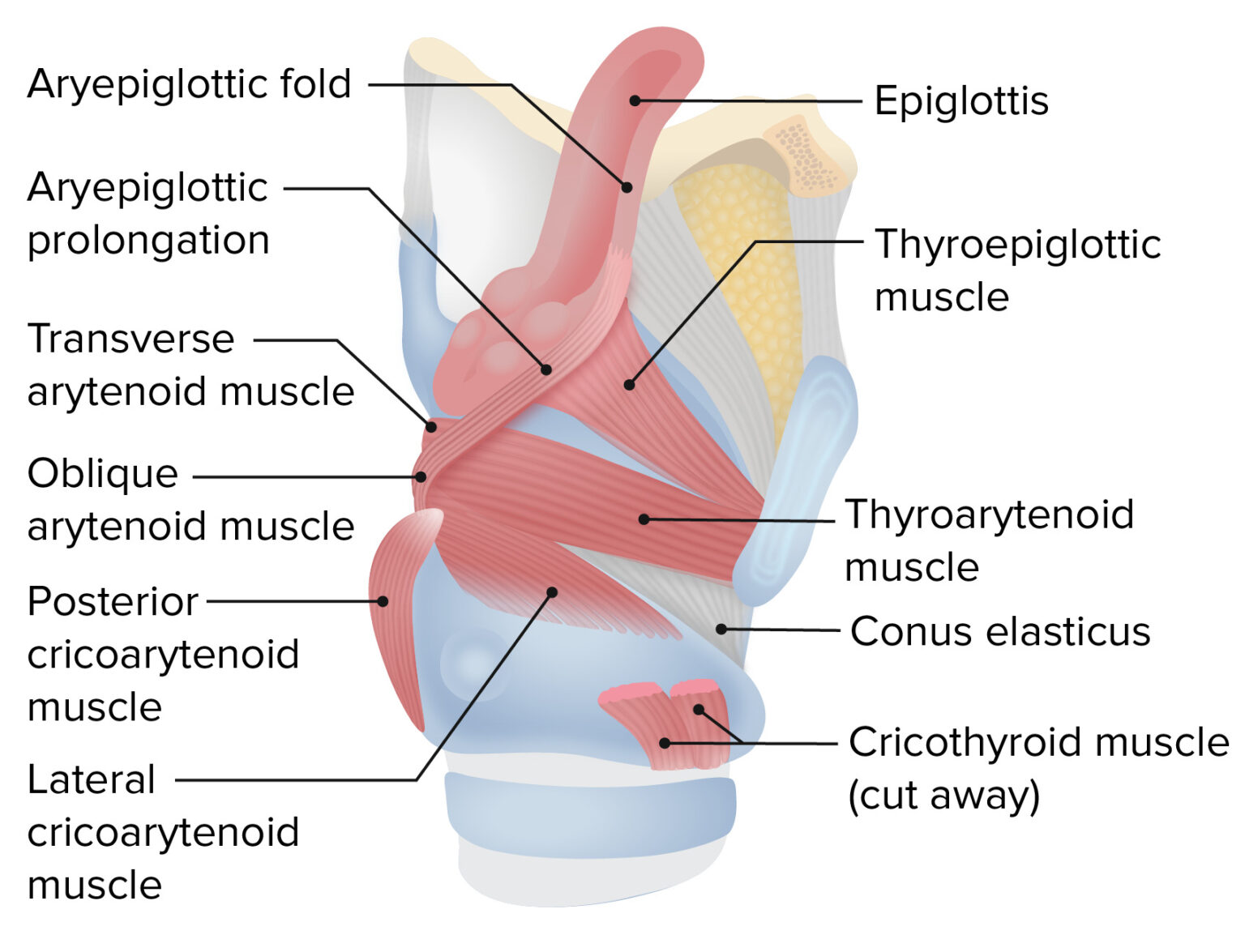
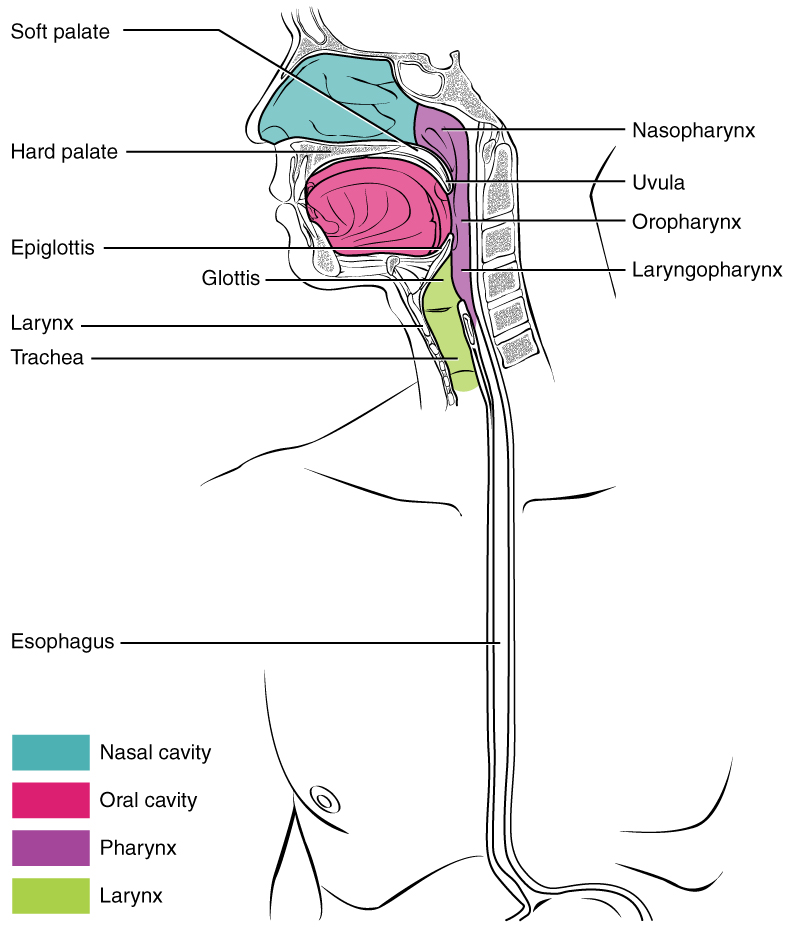
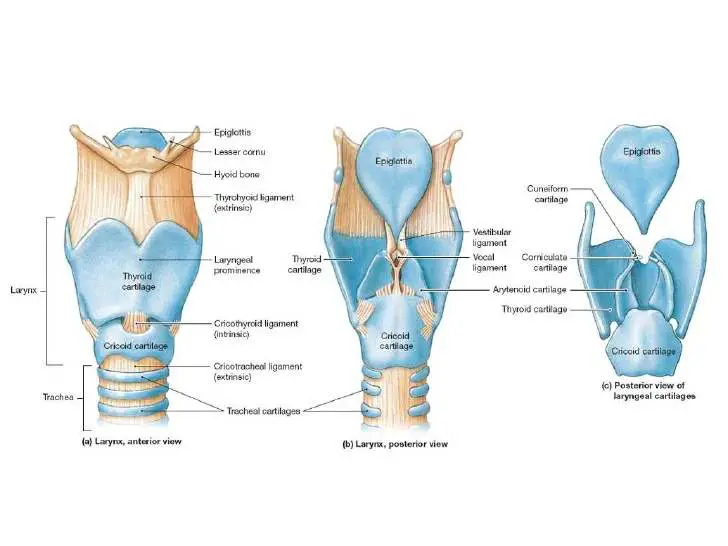
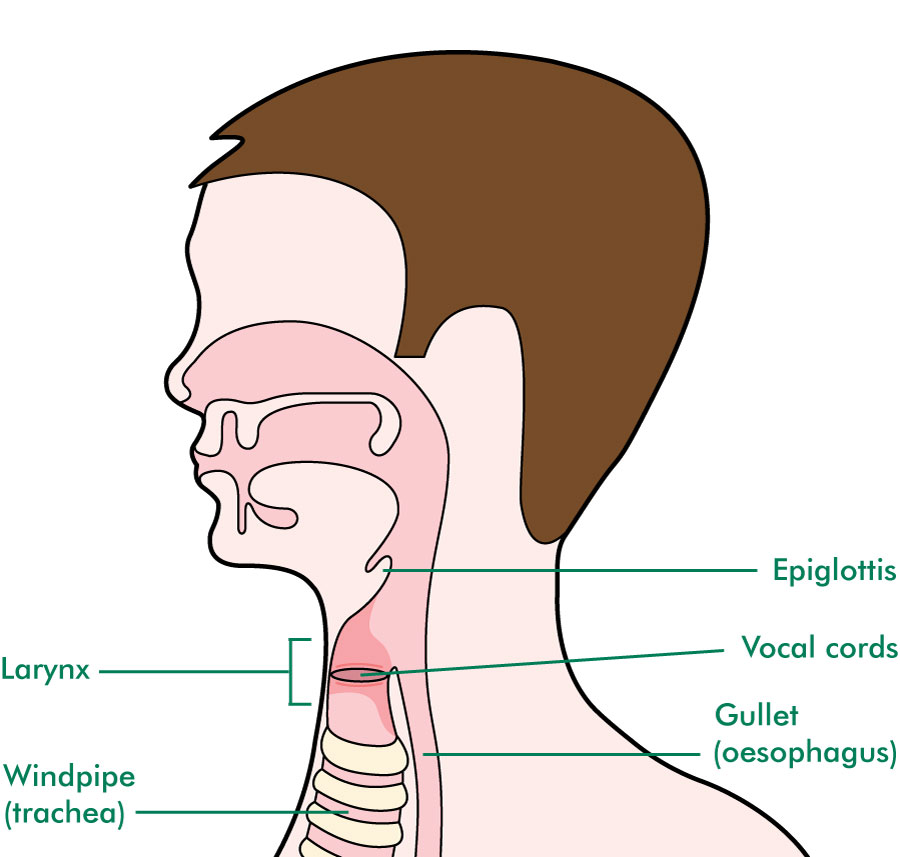
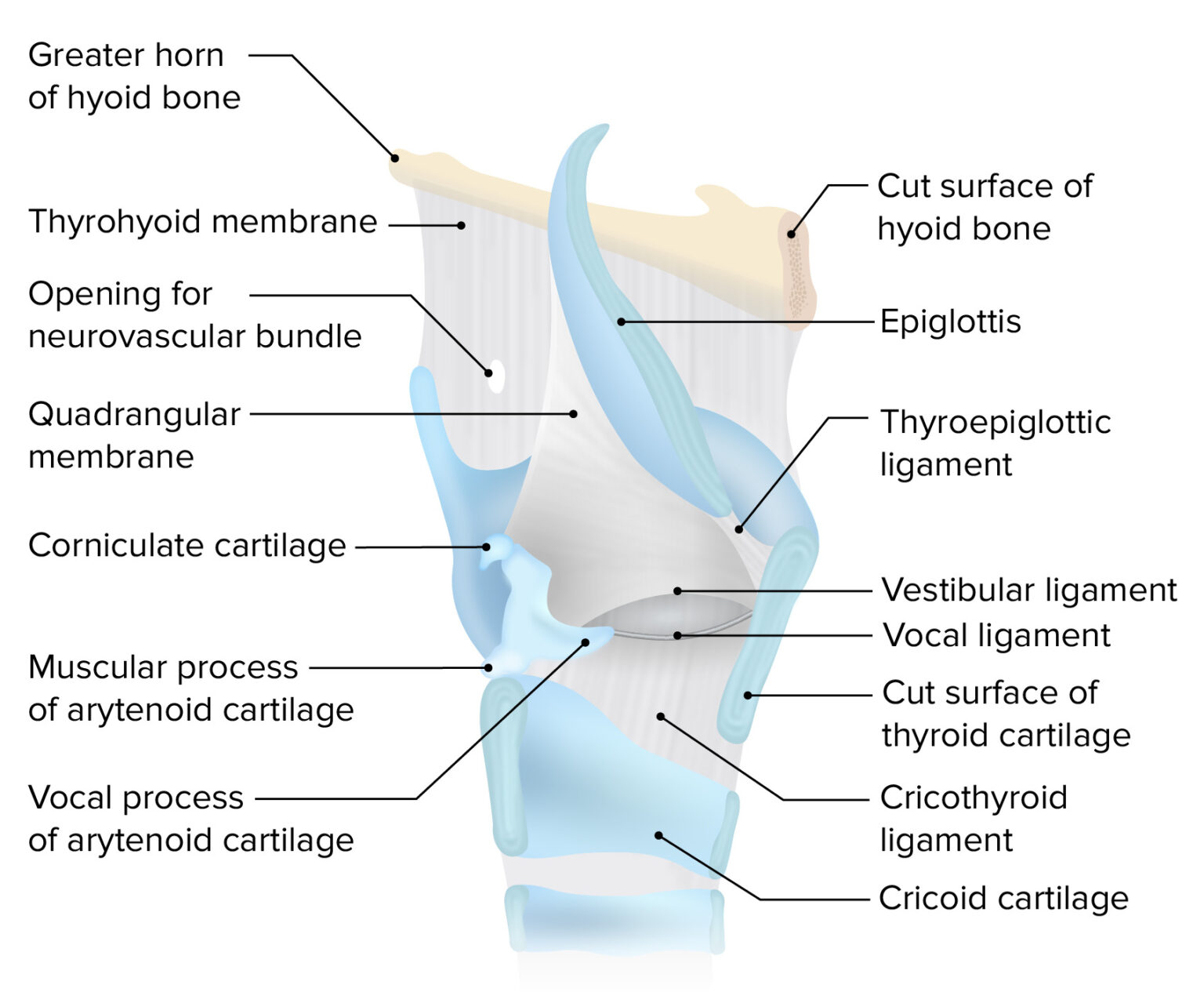
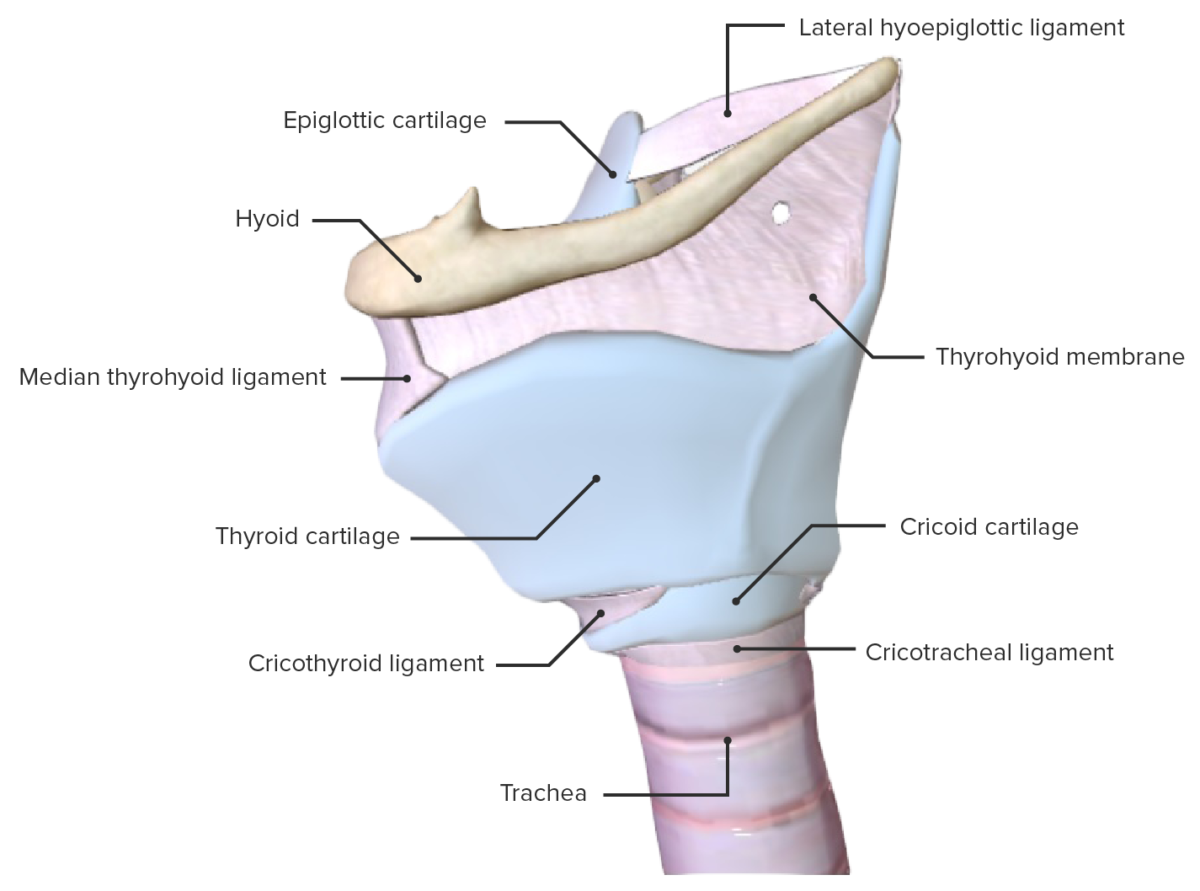
Cartilages in your larynx help to give it structure, the same way interior walls frame a house. Muscles in your larynx move your larynx while swallowing, help with breathing and produce vocal sounds. Ligaments in your larynx connect cartilages and link your larynx to nearby structures, like your hyoid bone and trachea.. Cartilage Structure of Larynx. Its internal cavity can be divided into the following parts: Supraglottis: The part above the vocal cords, containing the epiglottis [4] Glottis: The area consisting the vocal cords or folds; there are two pairs of vocal folds (mucous membrane structures) in the larynx, the false vocal folds and the true vocal folds [5].The former is covered with respiratory.






:max_bytes(150000):strip_icc()/human-larynx--illustration-1190674300-4ce616b410ea488ab61b6fca58fc992b.jpg "Larynx Anatomy, Function, and Treatment")
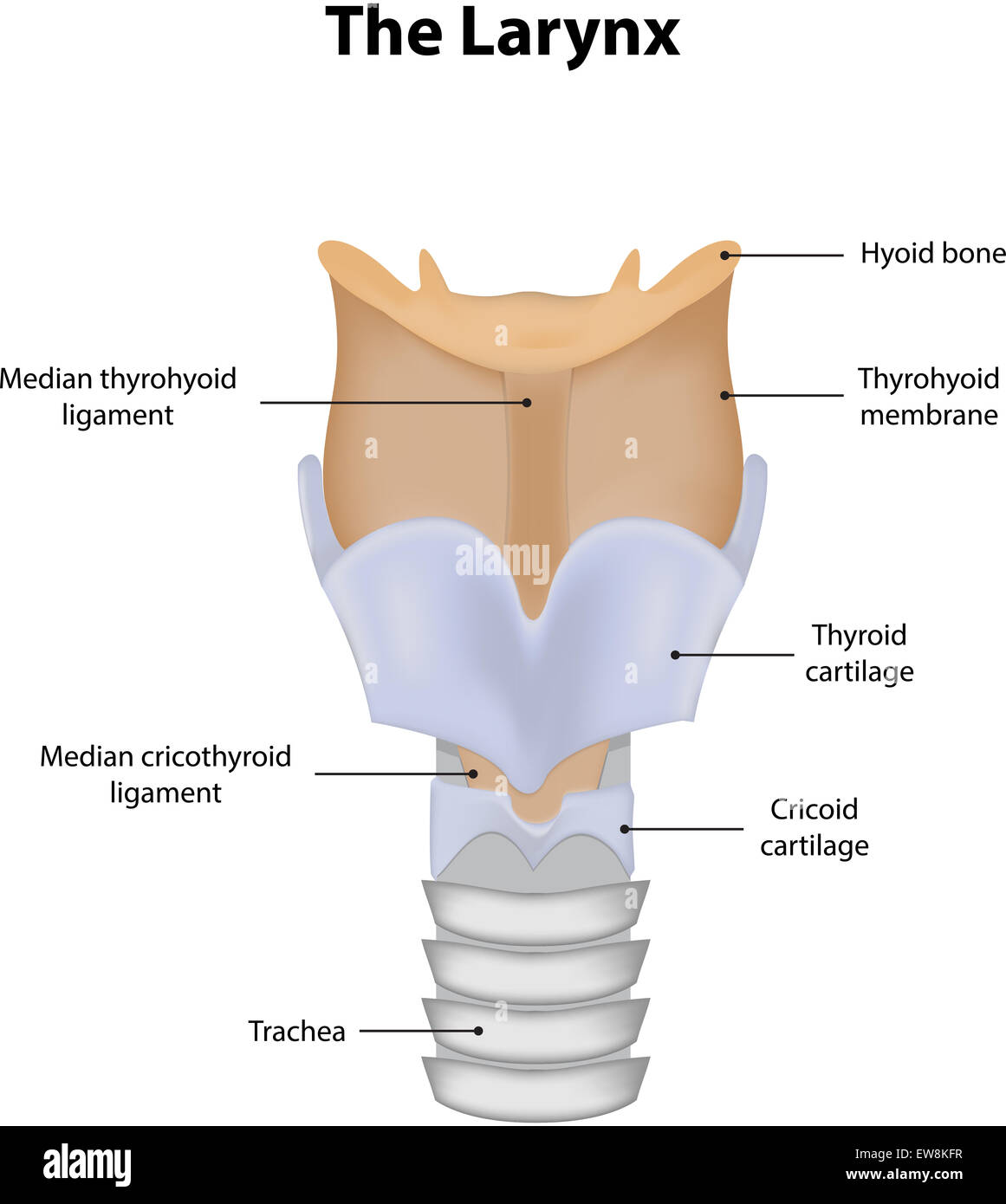

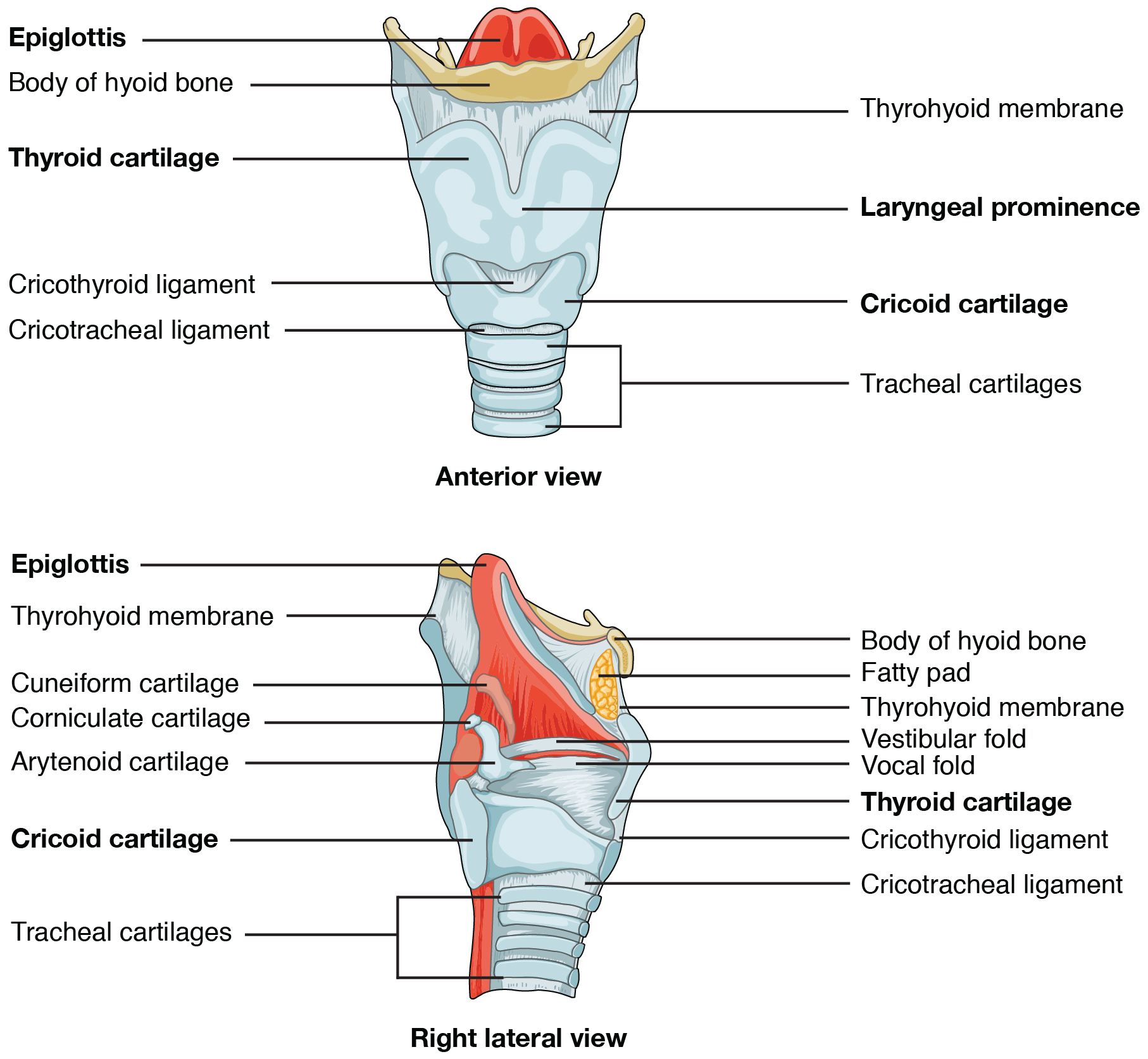

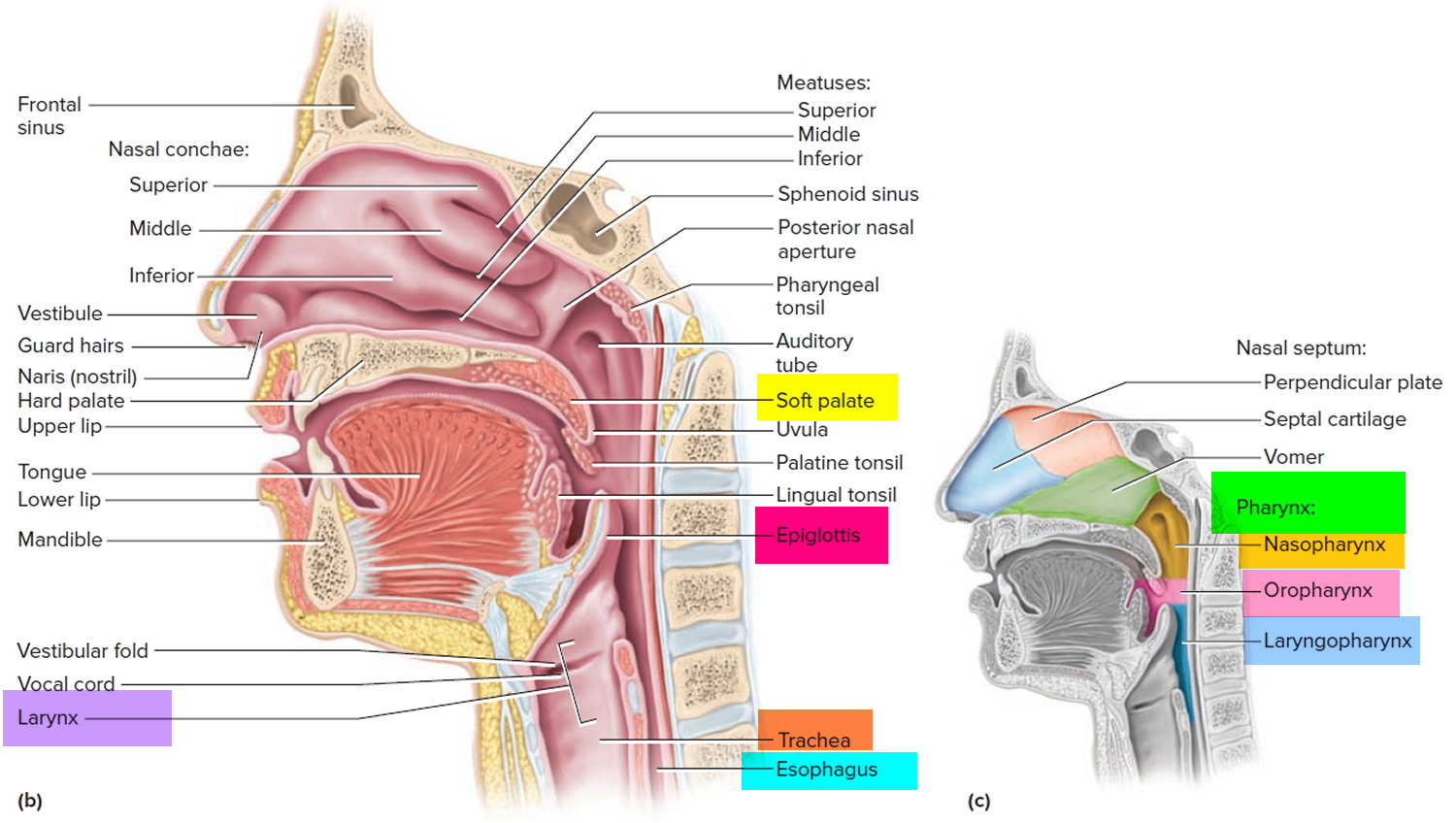
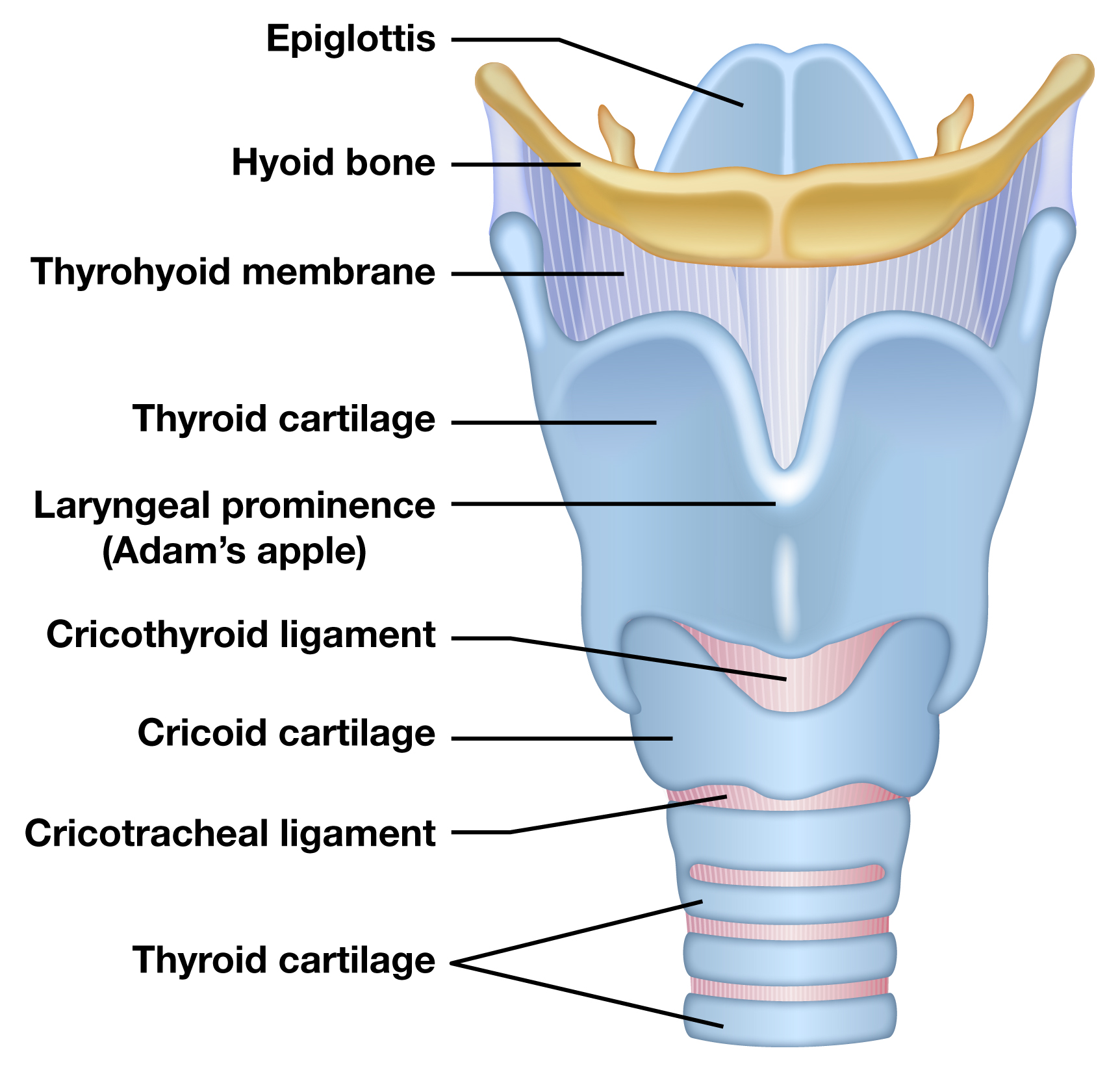
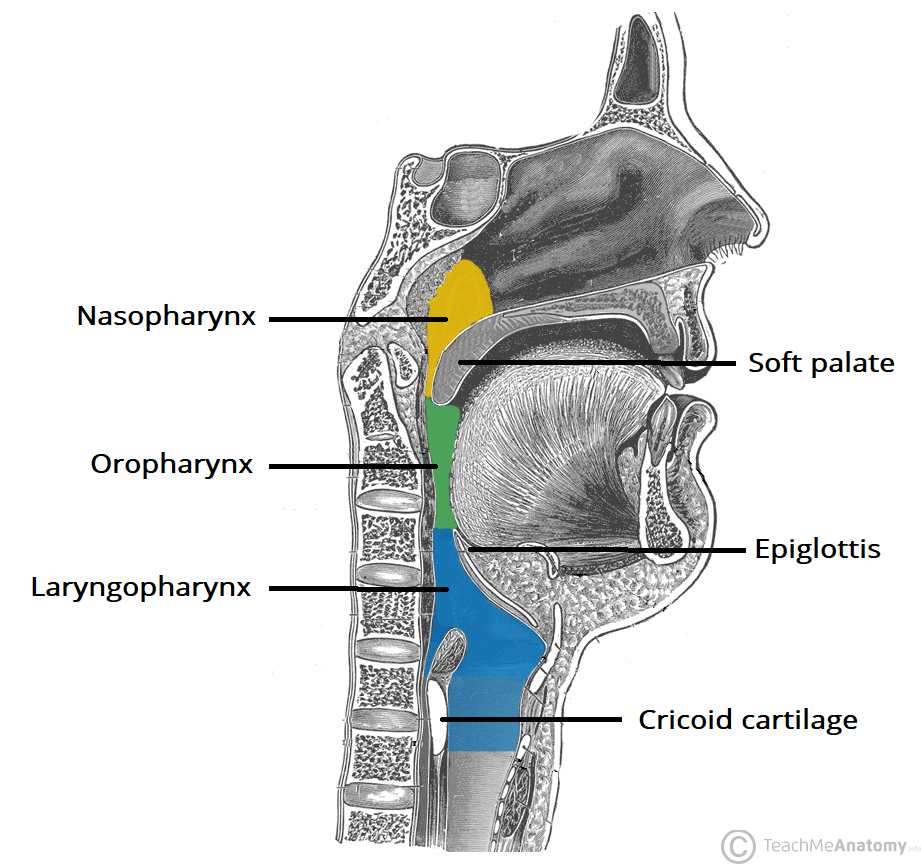
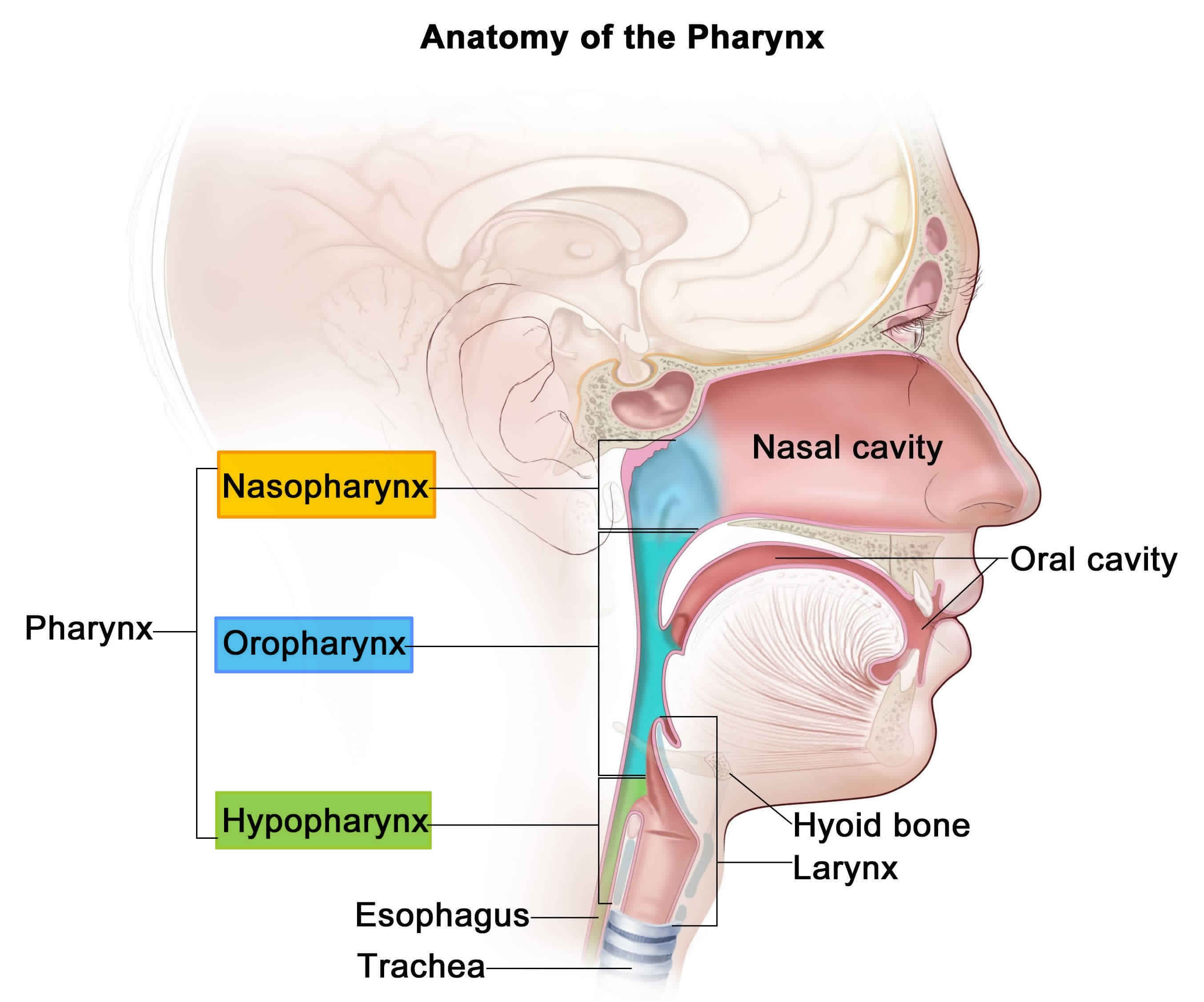
The larynx is a cartilaginous segment of the respiratory tract located in the anterior aspect of the neck. The primary function of the larynx in humans and other vertebrates is to protect the lower respiratory tract from aspirating food into the trachea while breathing. It also contains the vocal cords and functions as a voice box for producing sounds, i.e., phonation. From a phylogenetic view.. Behind the larynx, there is a lower part of the pharynx and the neck part of the esophagus. Larynx Anatomy, Parts of the Larynx Laryngeal Cartilages. The skeleton of the larynx consists of five main cartilages, connected by connective tissue membranes and muscles: Epiglottis, which covers the entrance of the larynx during swallowing (the upper.