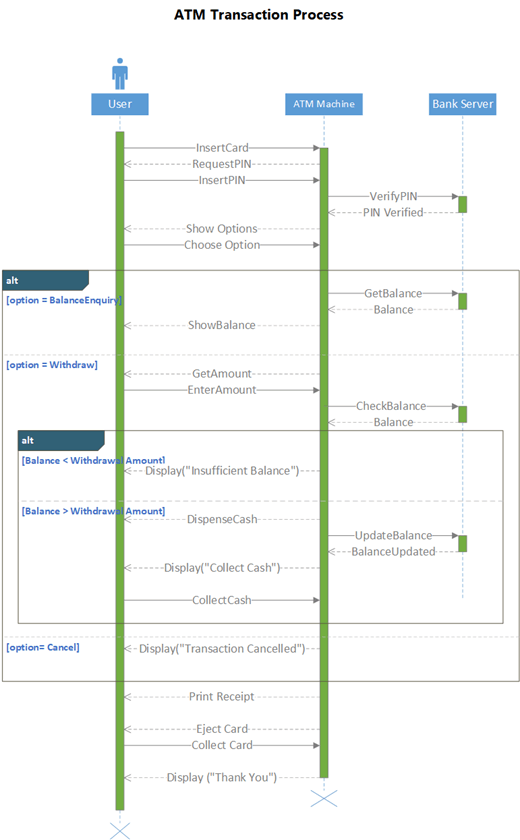
UML sequence diagrams are a powerful tool for visualizing the interactions between objects in a system over time. They help in understanding the sequence of messages exchanged between different components, making it easier to design and analyze complex systems. In this article, we will learn about UML sequence diagrams using a practical example: an ATM transaction. Understanding the ATM.. The example diagram in Figure 15 has an entry gate called getBalance that takes the parameter of accountNumber. The getBalance message is an entry gate, because it is the arrowed line that is connected to the diagram's frame with the arrowhead connected to a lifeline. The sequence diagram also has an exit gate that returns the balance variable.

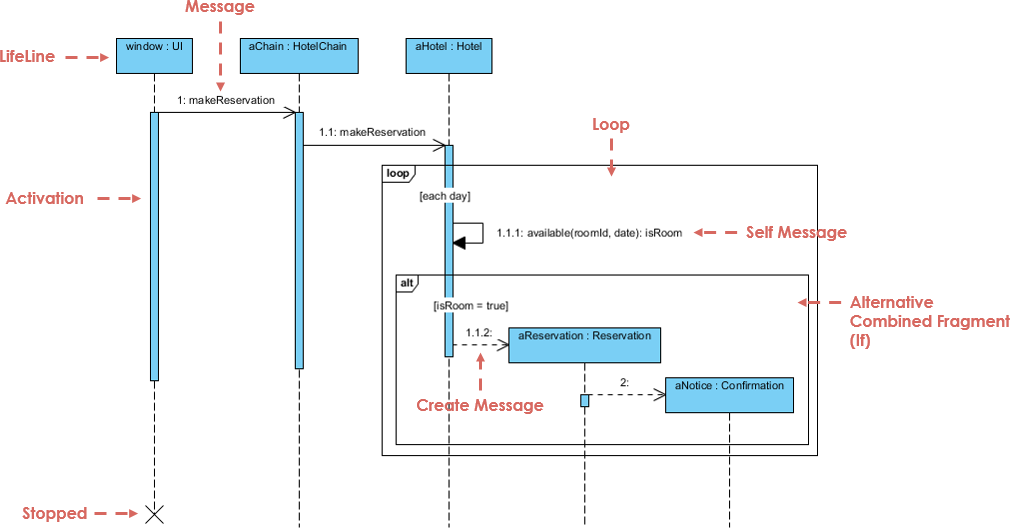



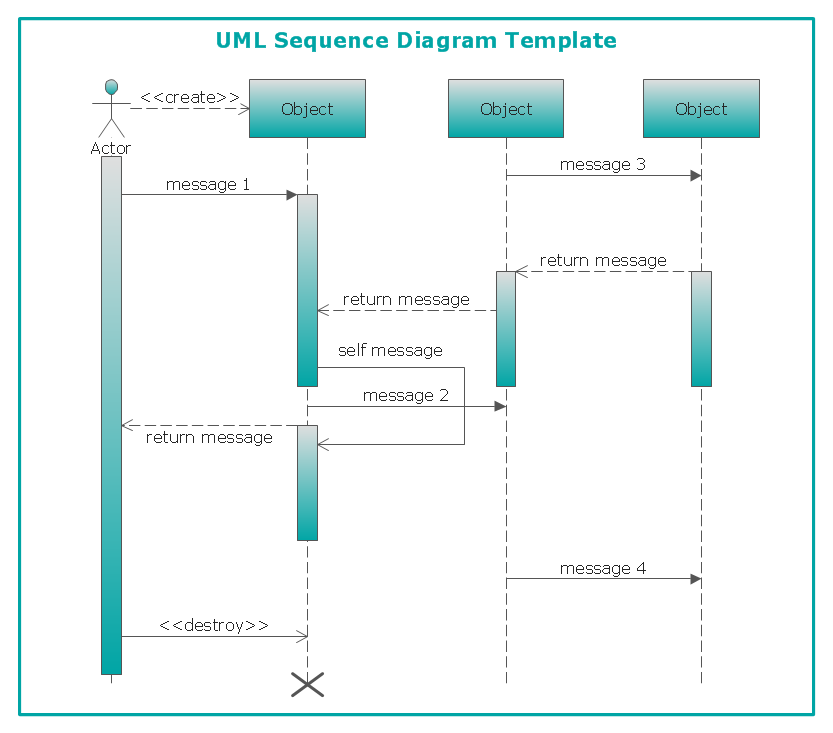
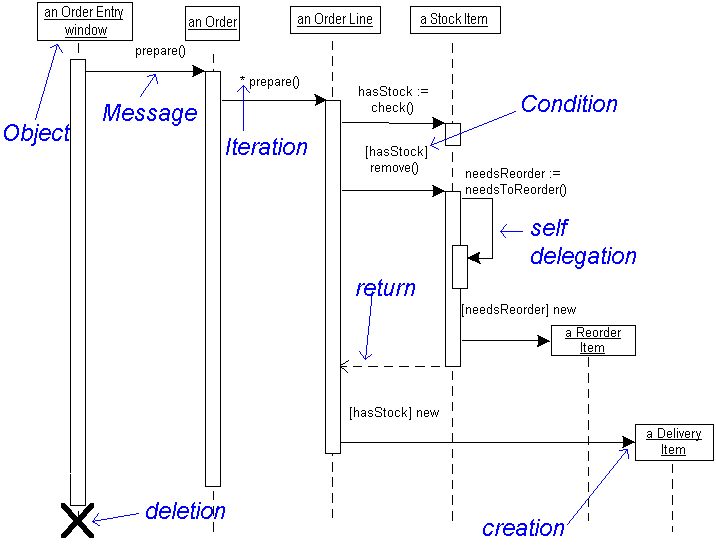

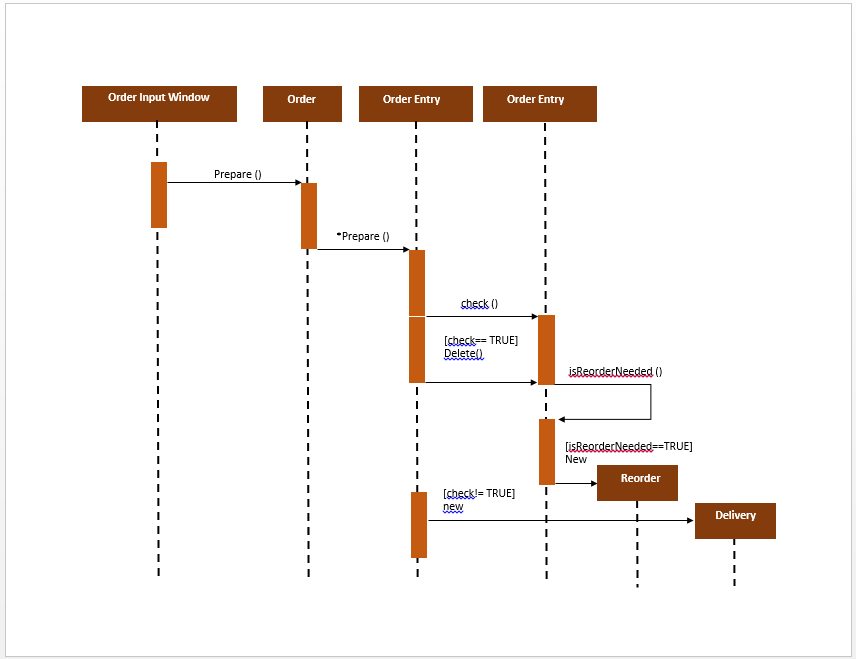
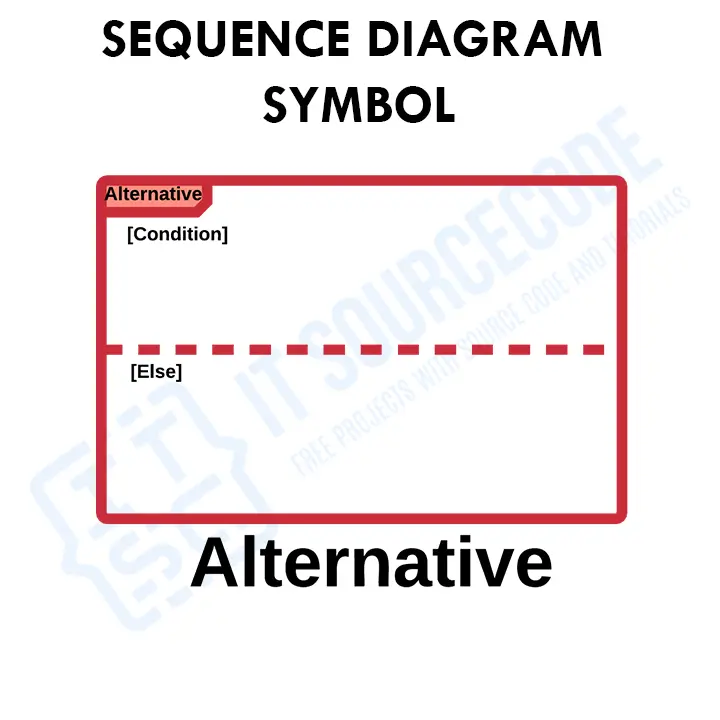
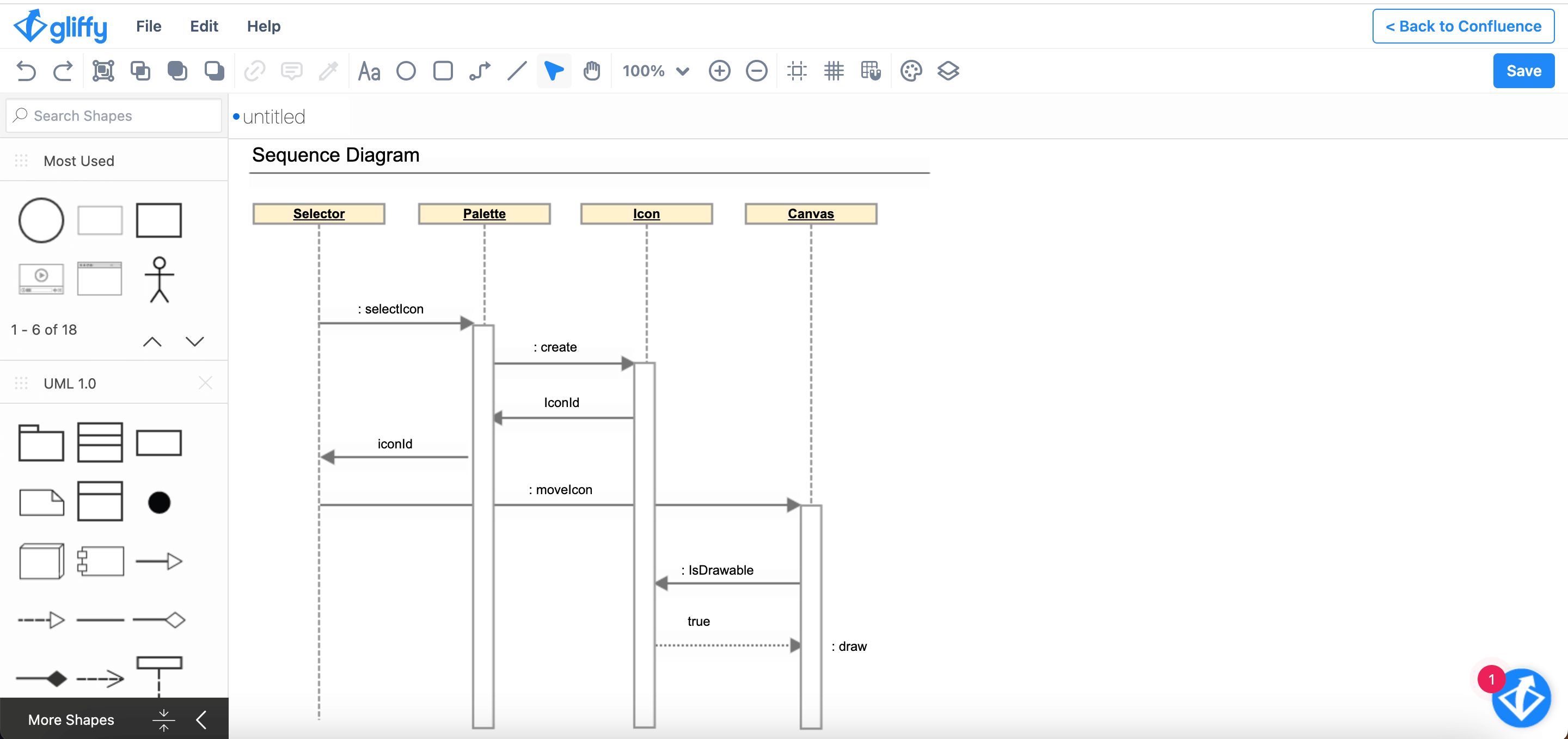


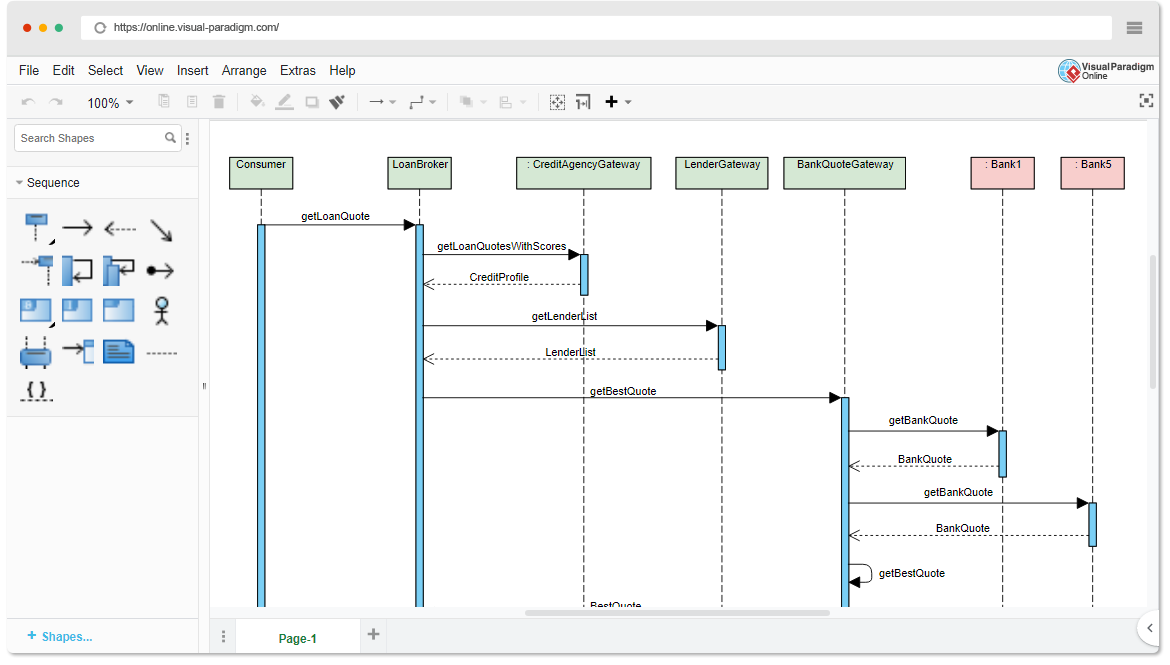

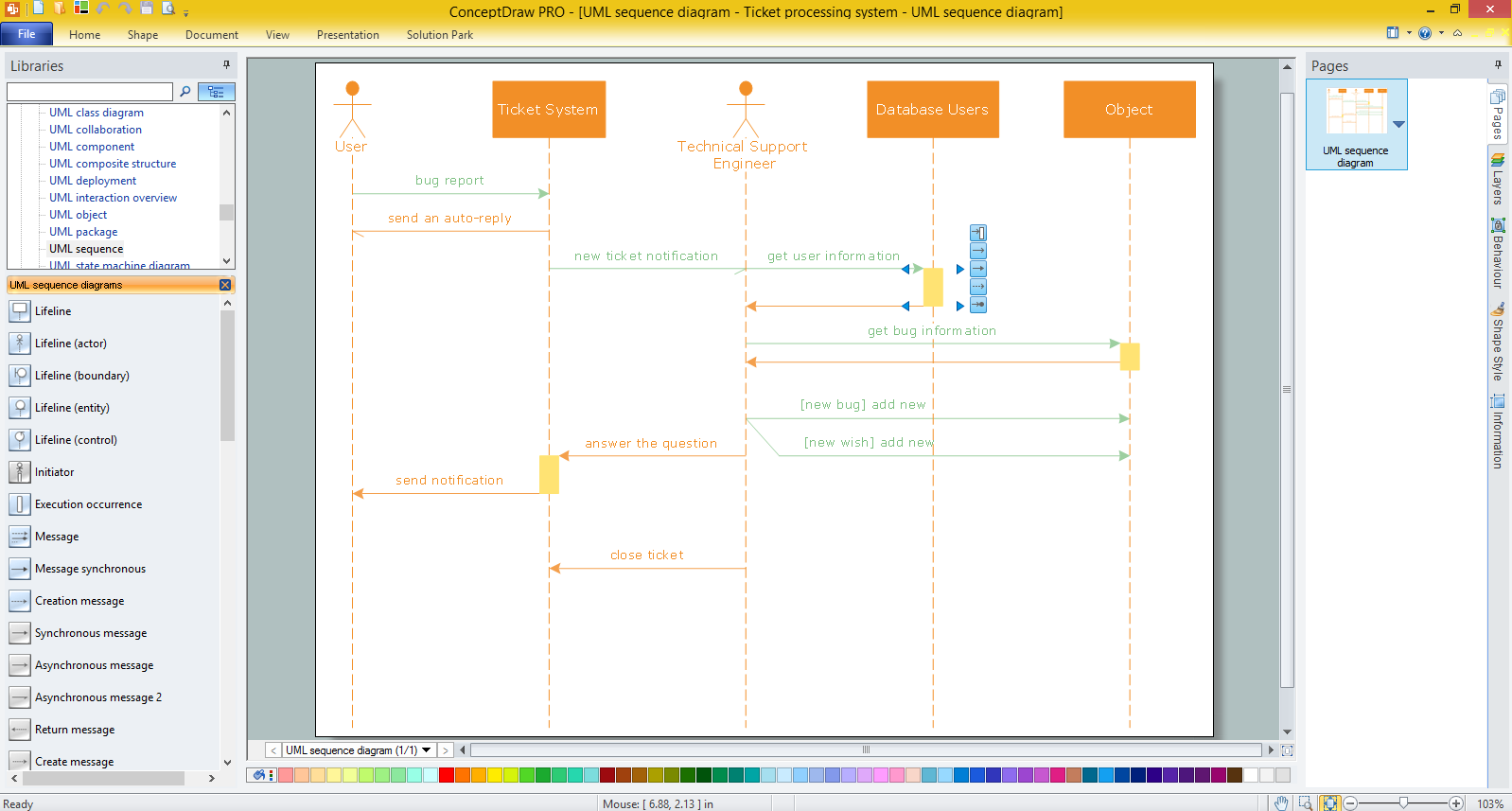
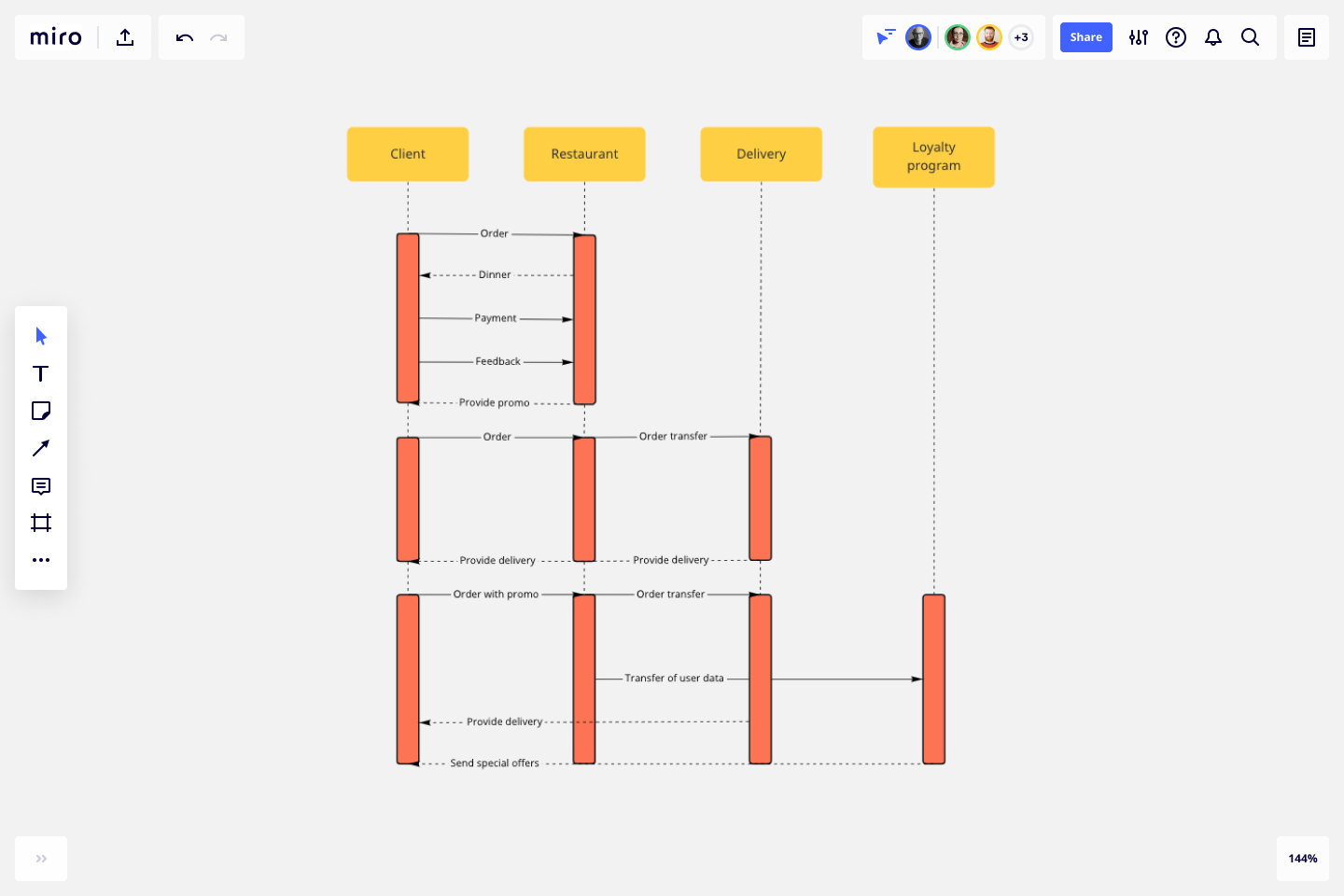
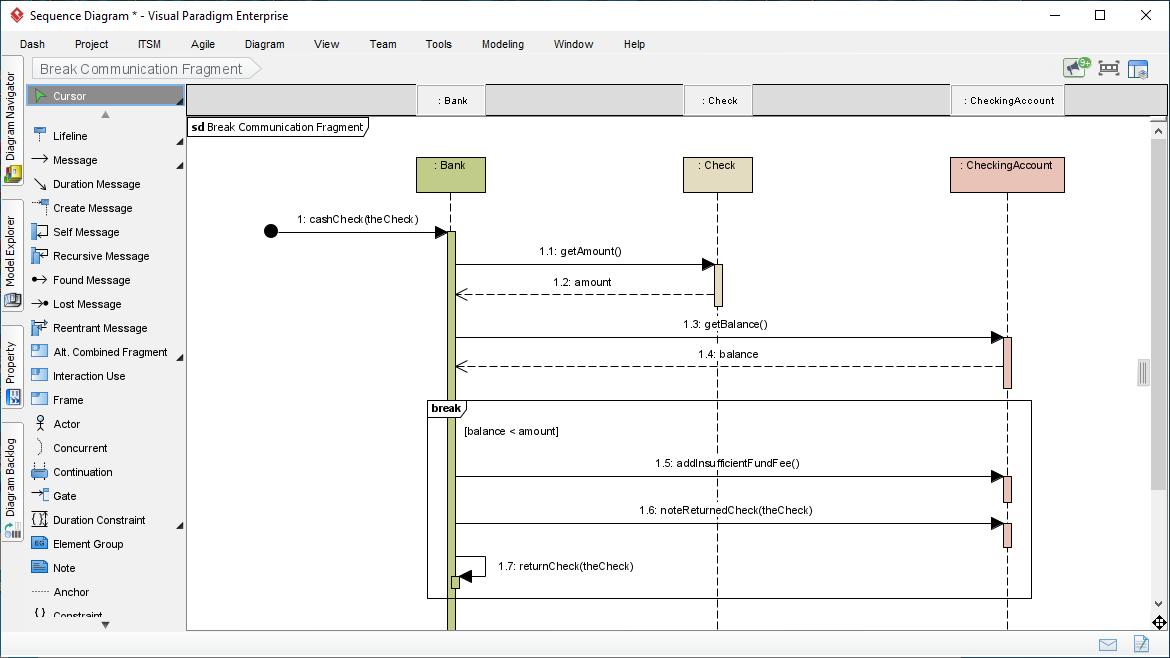
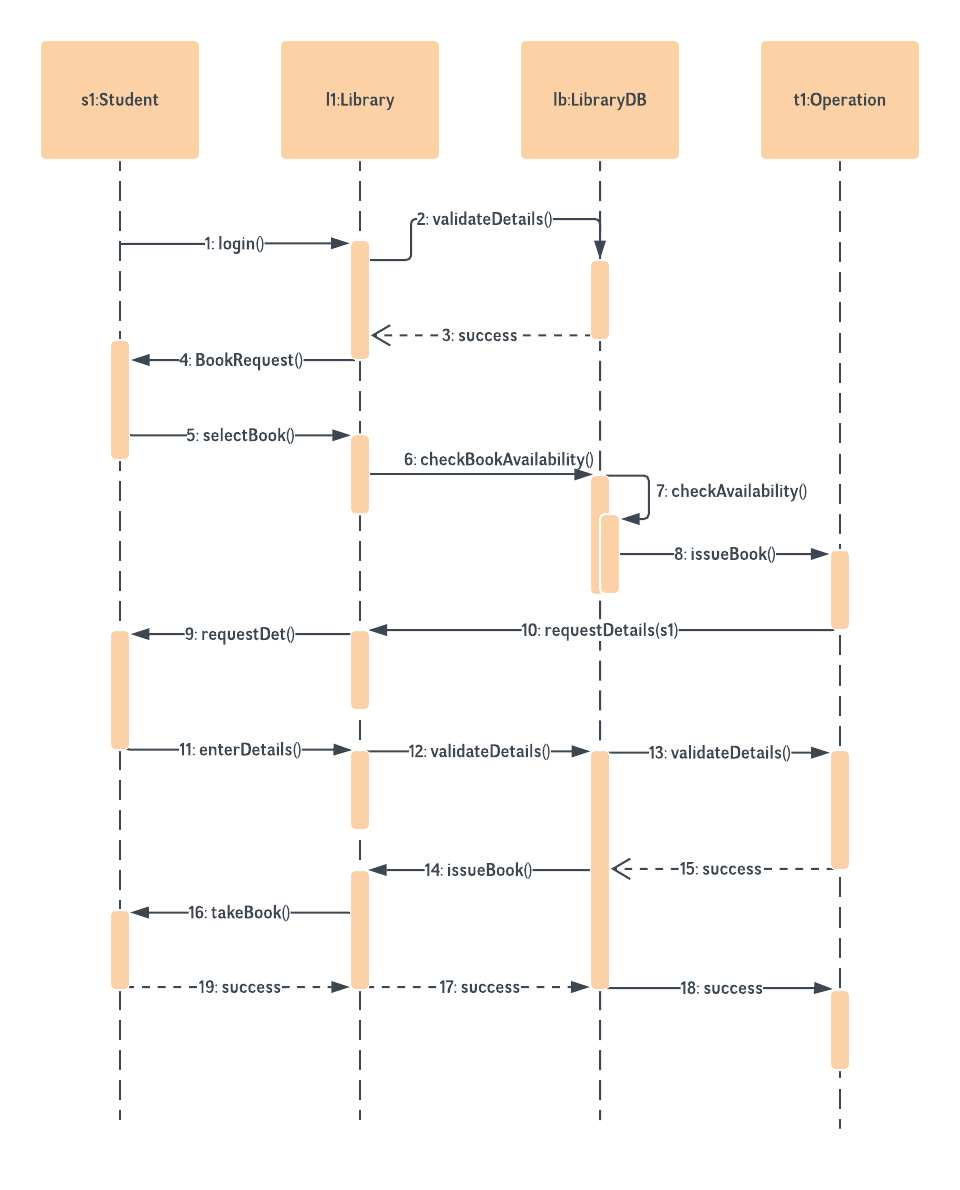


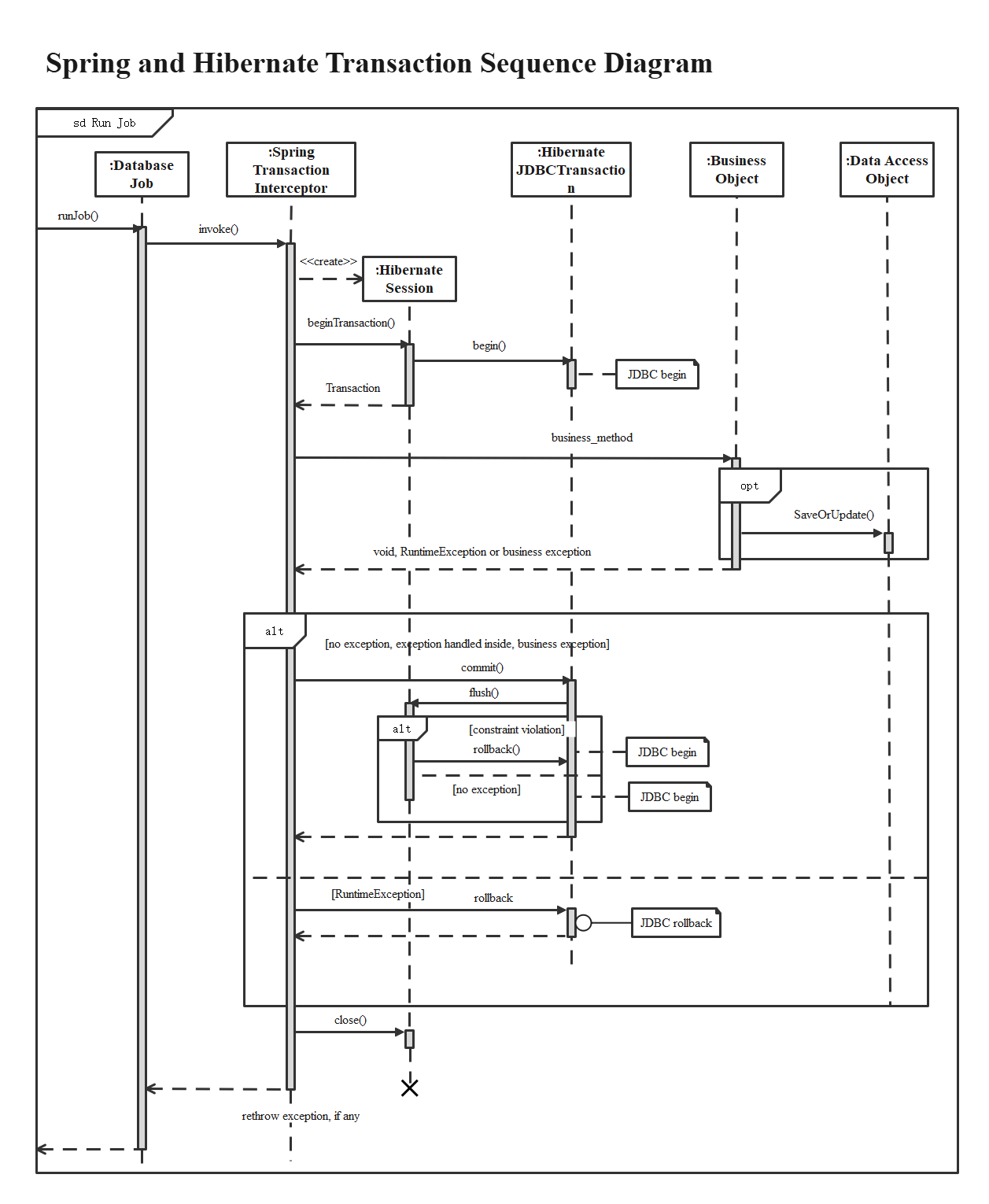
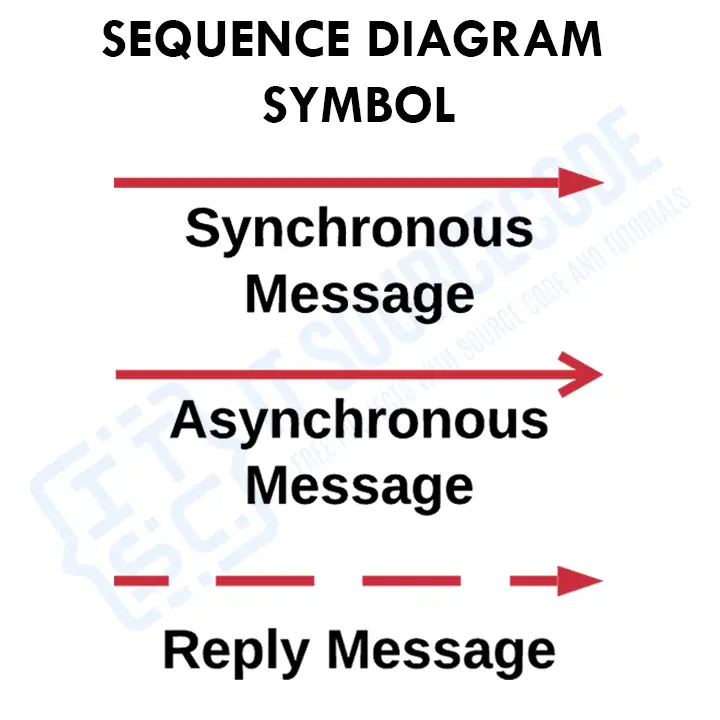
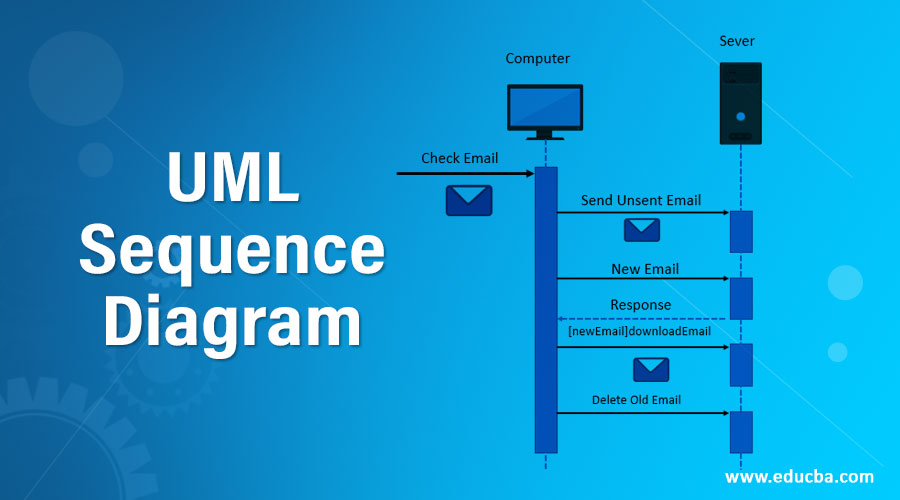
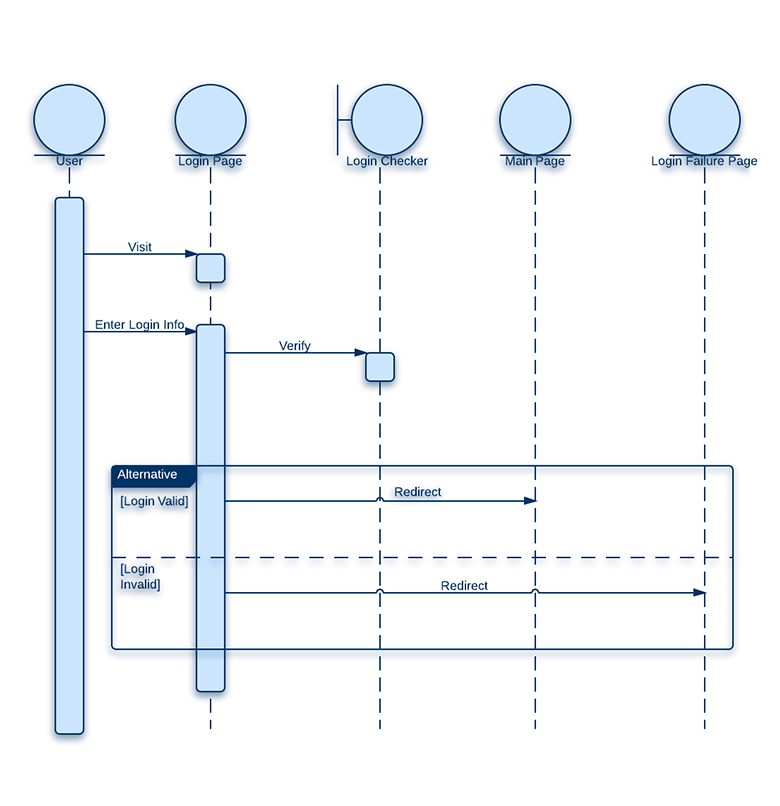
UML Sequence Diagrams Sequence diagram is the most common kind of interaction diagram , which focuses on the message interchange between a number of lifelines . Sequence diagram describes an interaction by focusing on the sequence of messages that are exchanged, along with their corresponding occurrence specifications on the lifelines.. Understanding UML, a key concept for sequence diagrams. To fully grasp the concept of sequence diagrams, you first need to understand UML. UML, or Unified Modeling Language,. Let's look at some examples to understand how sequence diagrams are used in practice. These examples will illustrate different scenarios and how sequence diagrams can.