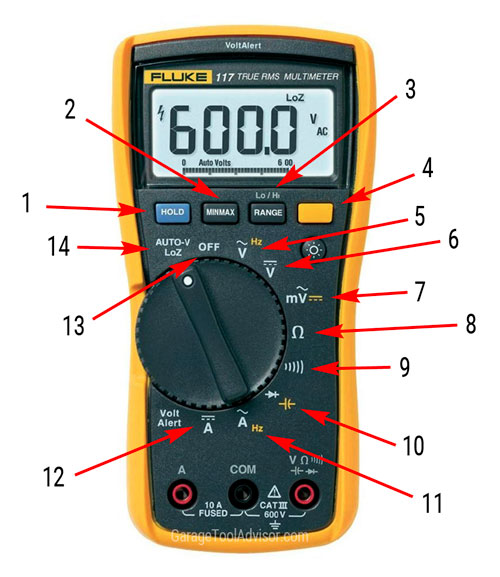
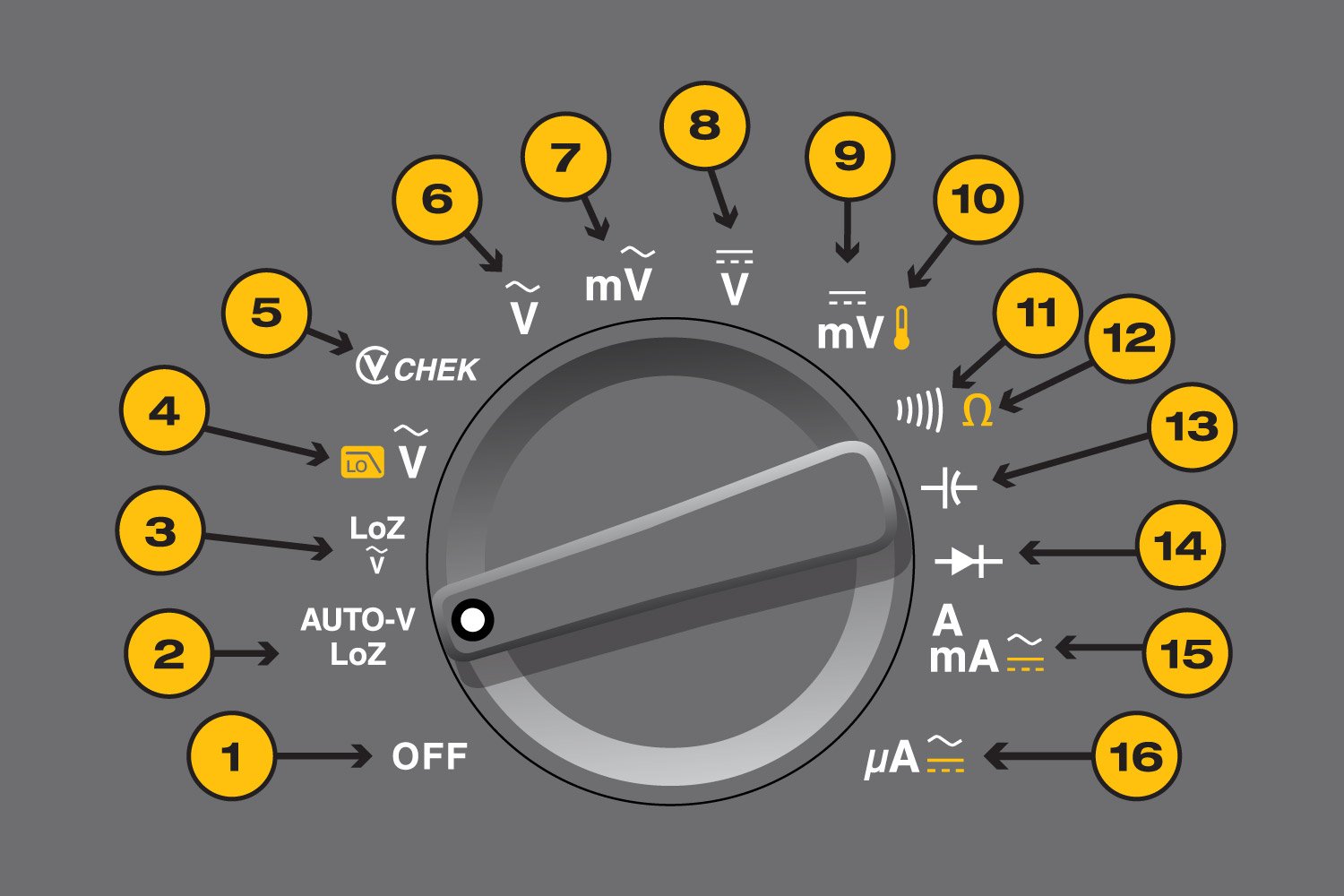
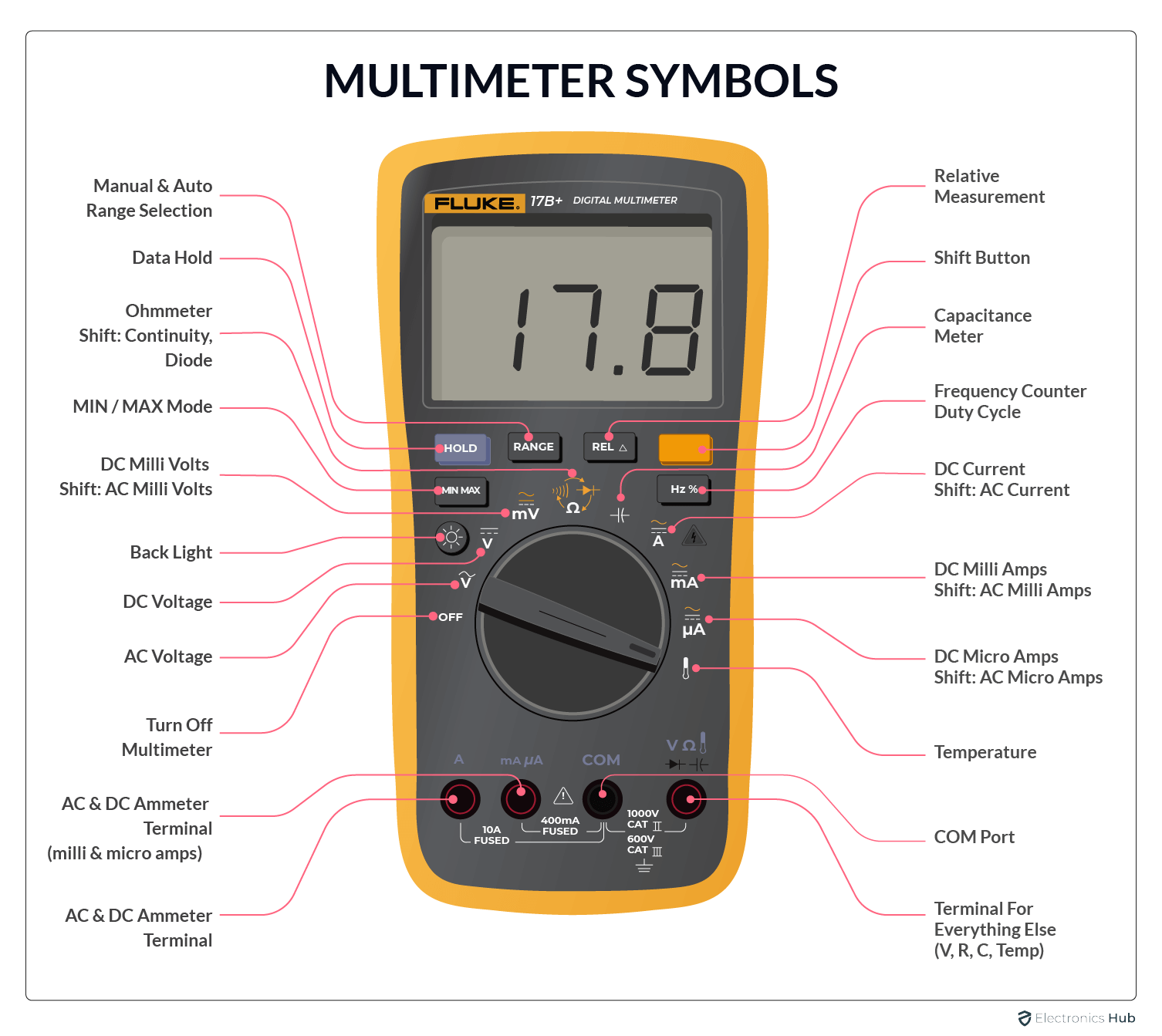
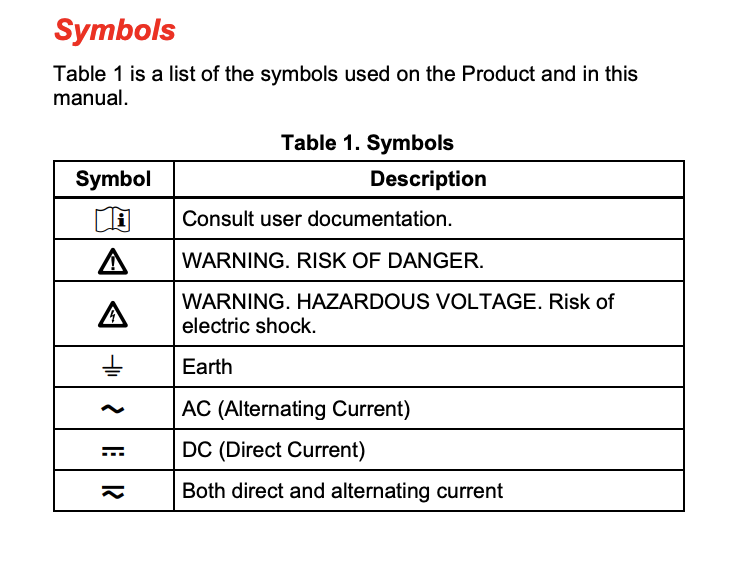
This is a composite image and not an actual dial. It shows a variety of functions found on multiple Fluke digital multimeter dials. No single model contains all these functions. On many models, some function icons are displayed in yellow. This indicates the digital multimeter's yellow function button must be pressed to select those measurements.. Fortunately, the current symbols on multimeters have been more or less standardized by one of the most popular brand of multimeters, Fluke. The only difference that you're likely to see between multimeters are extra symbols around your rotary dial, which you can read by using your function/shift button (#4 below).
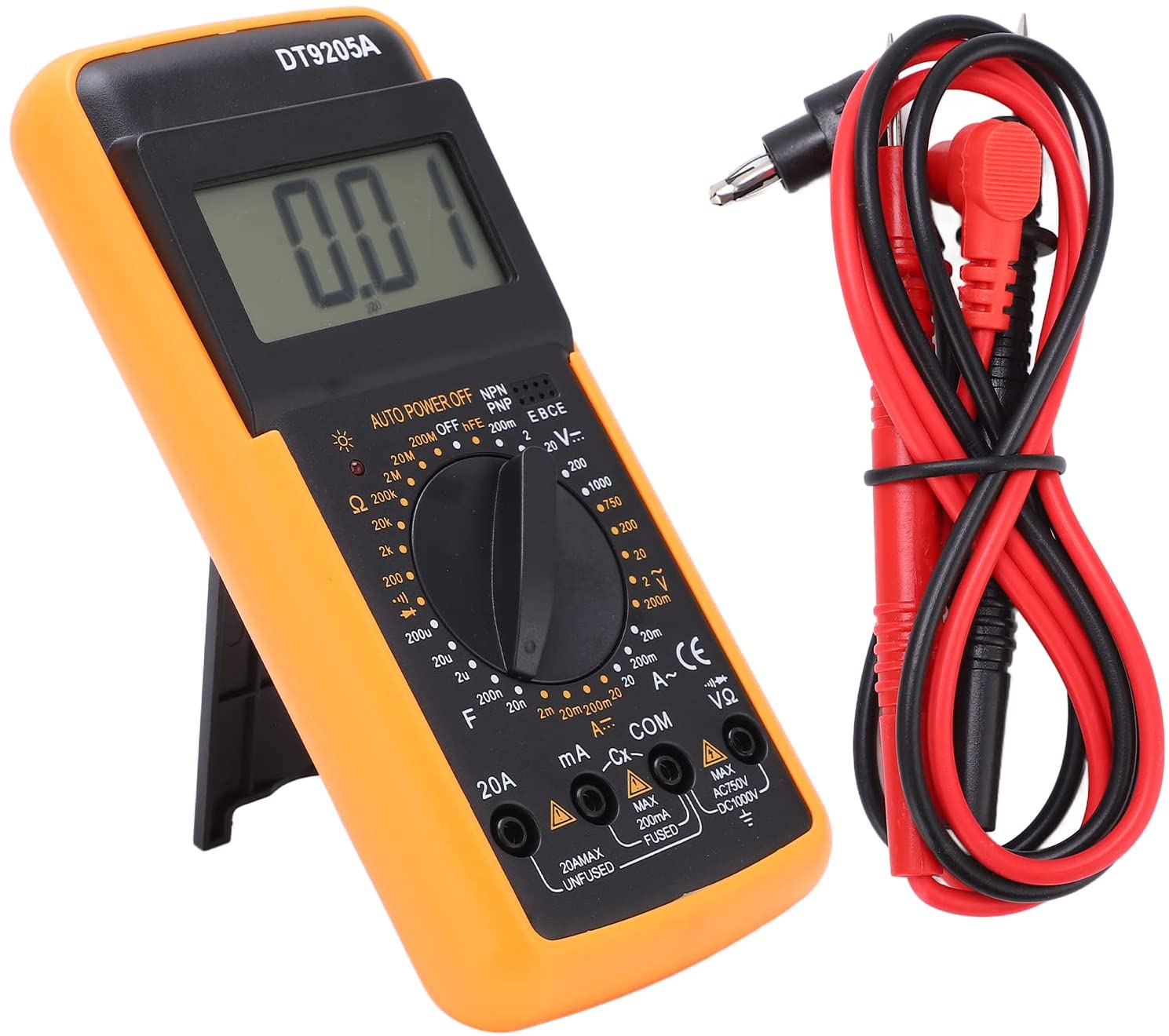
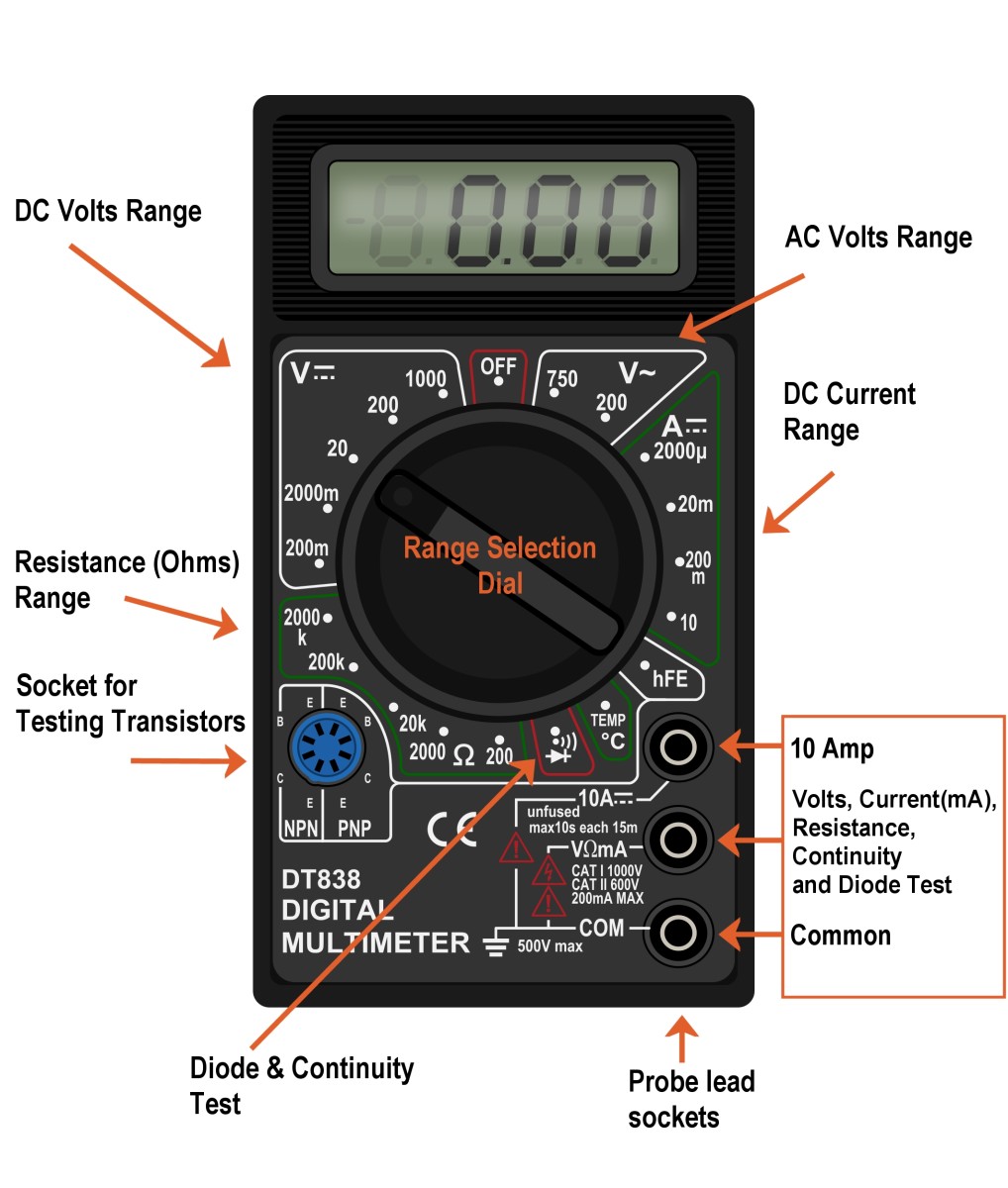

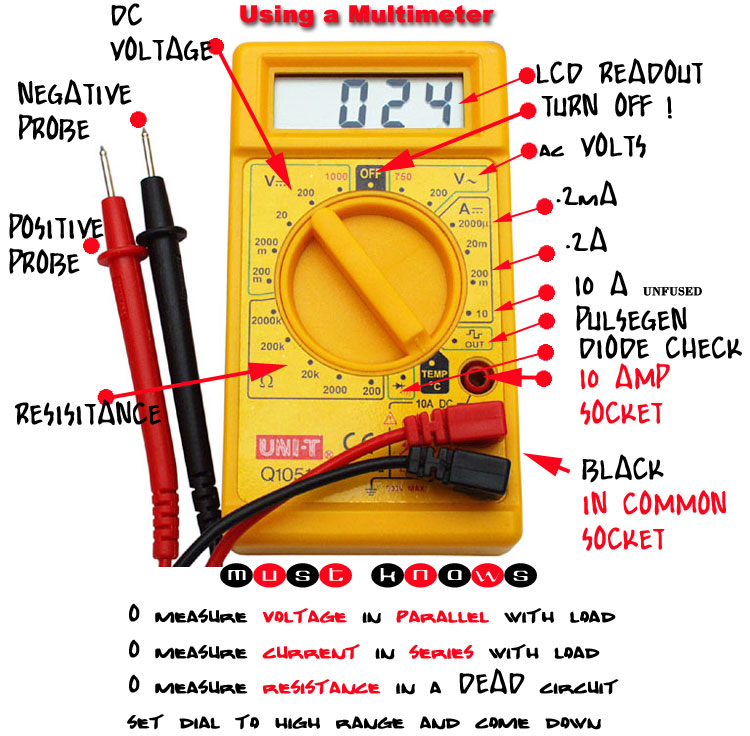


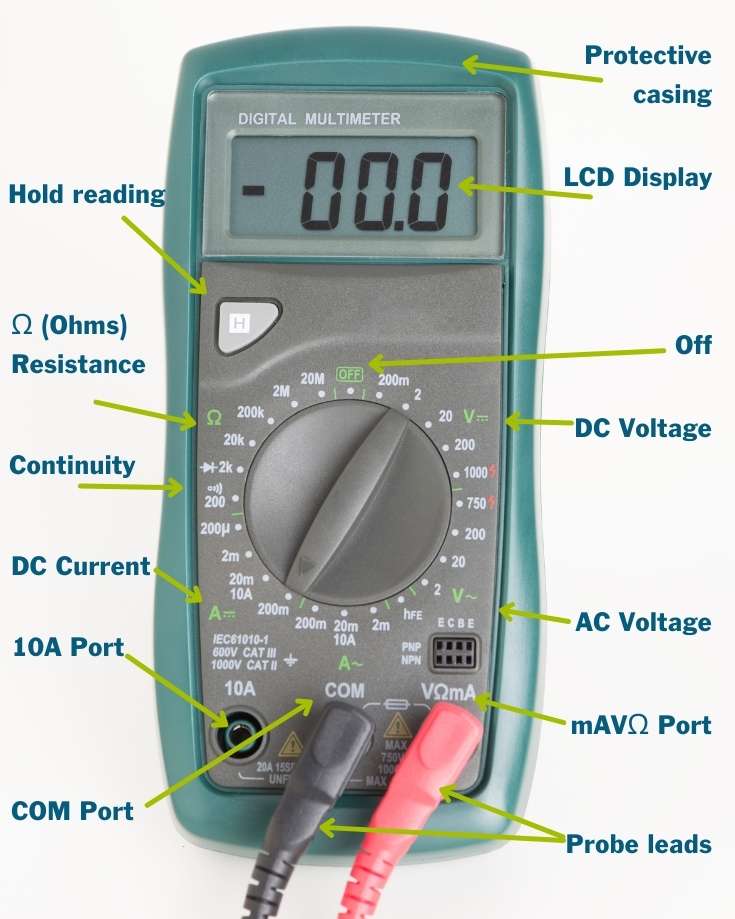



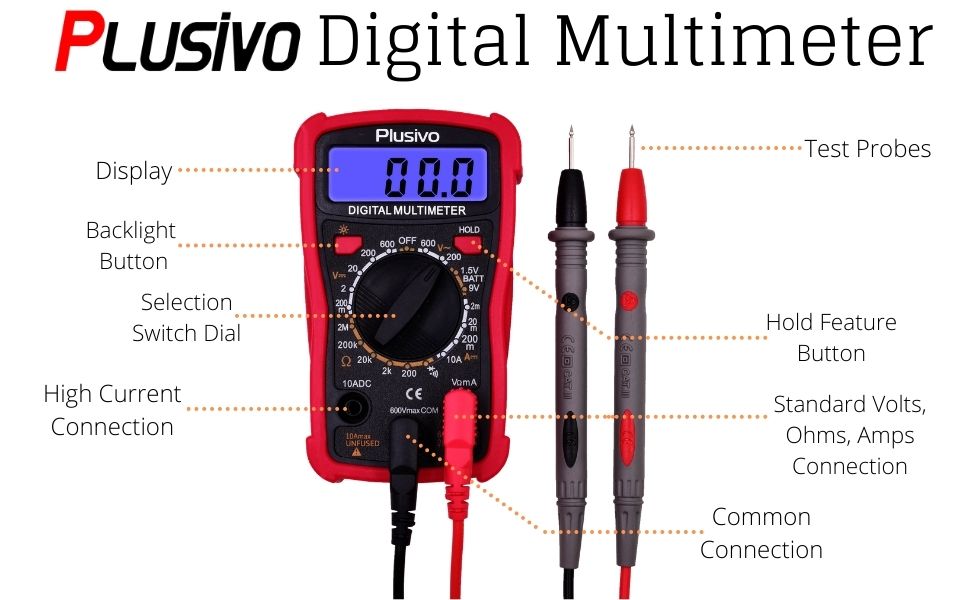
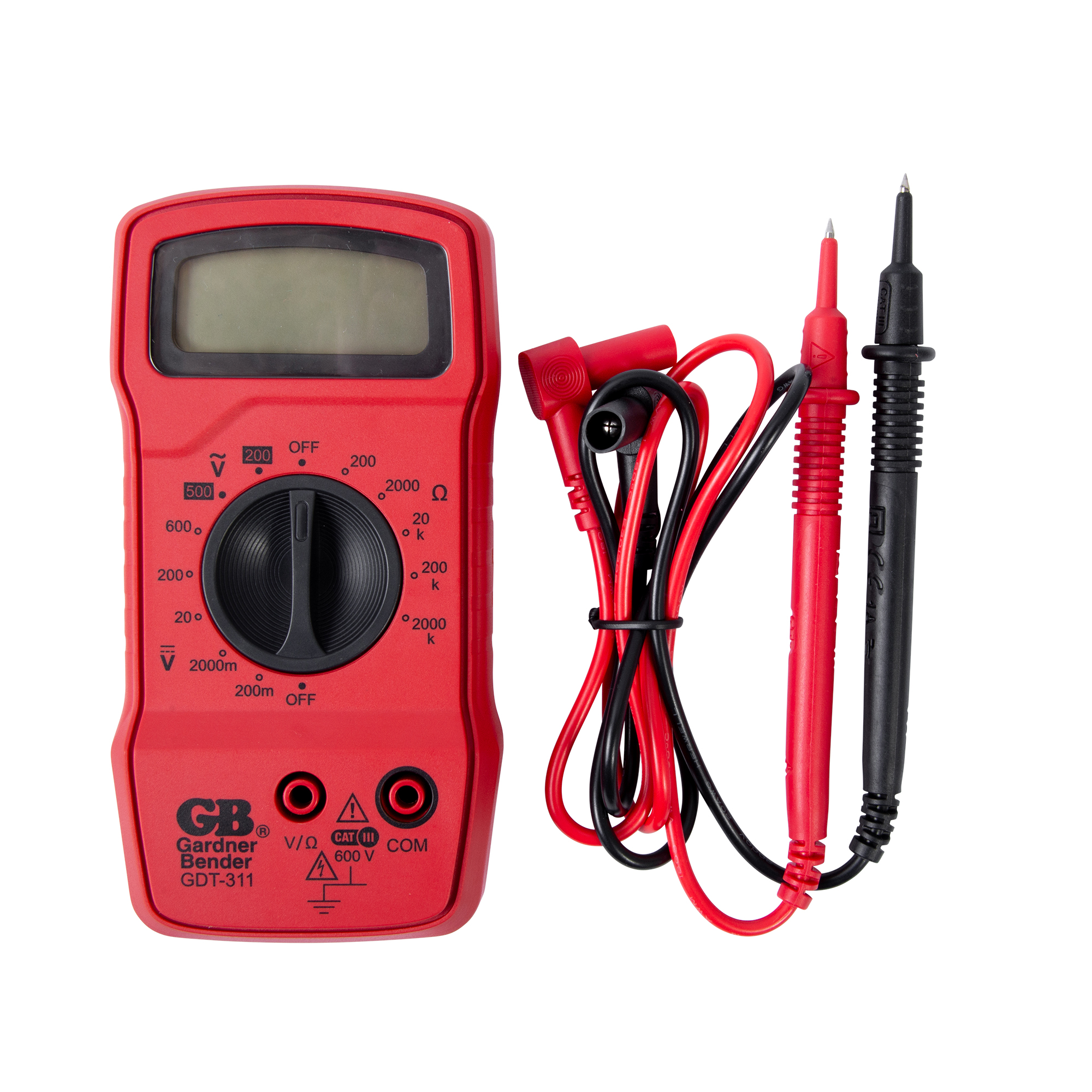
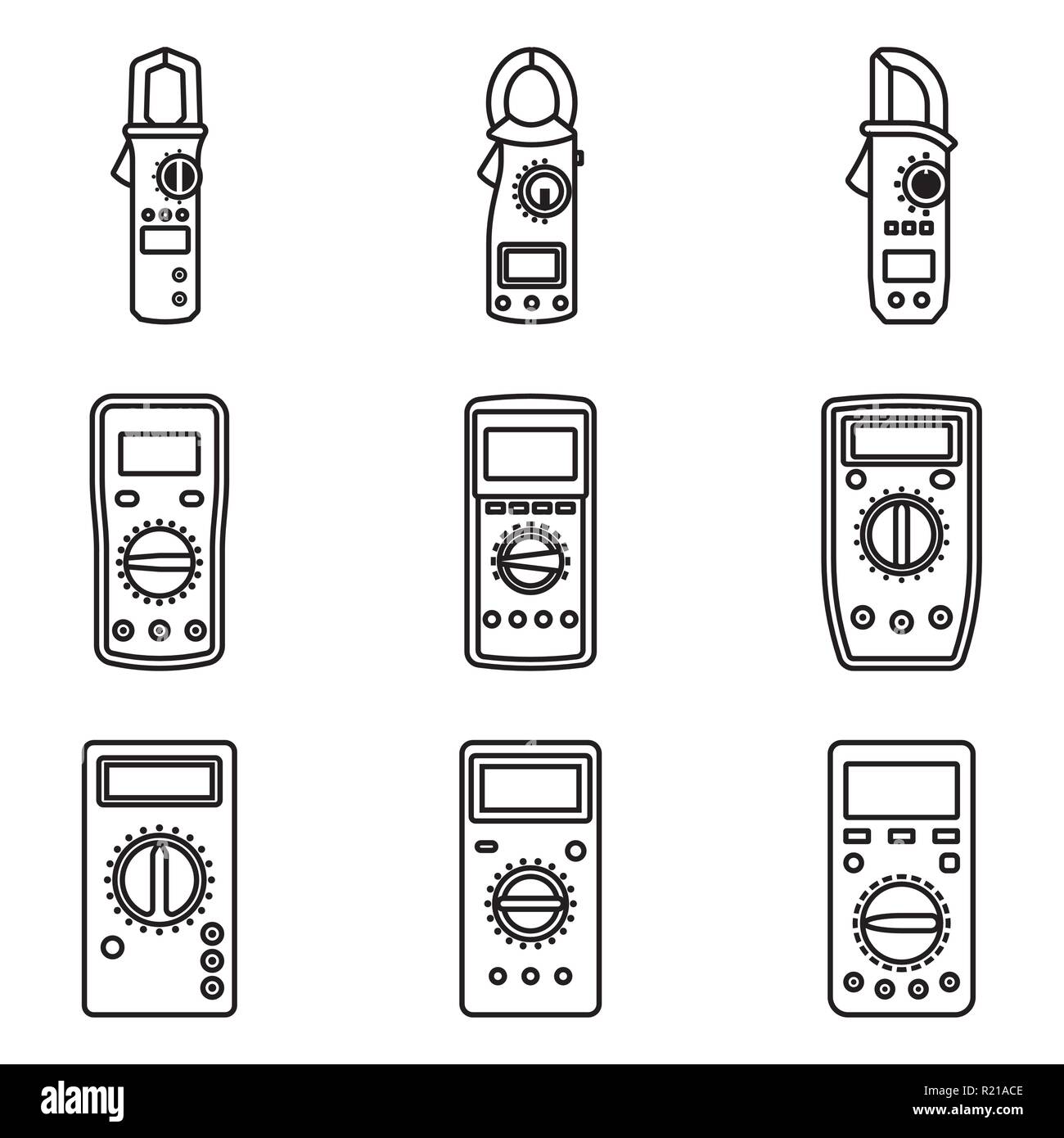
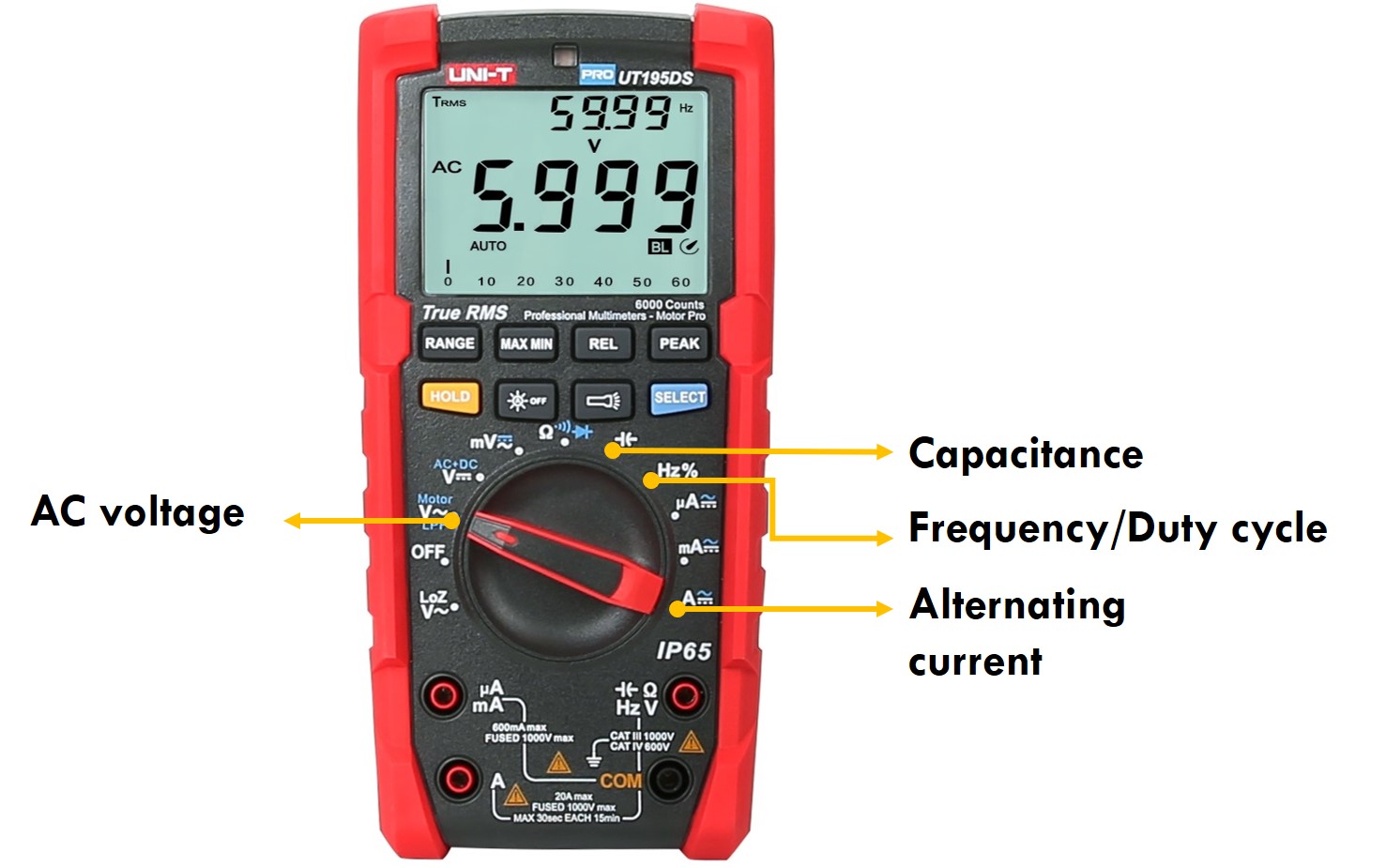
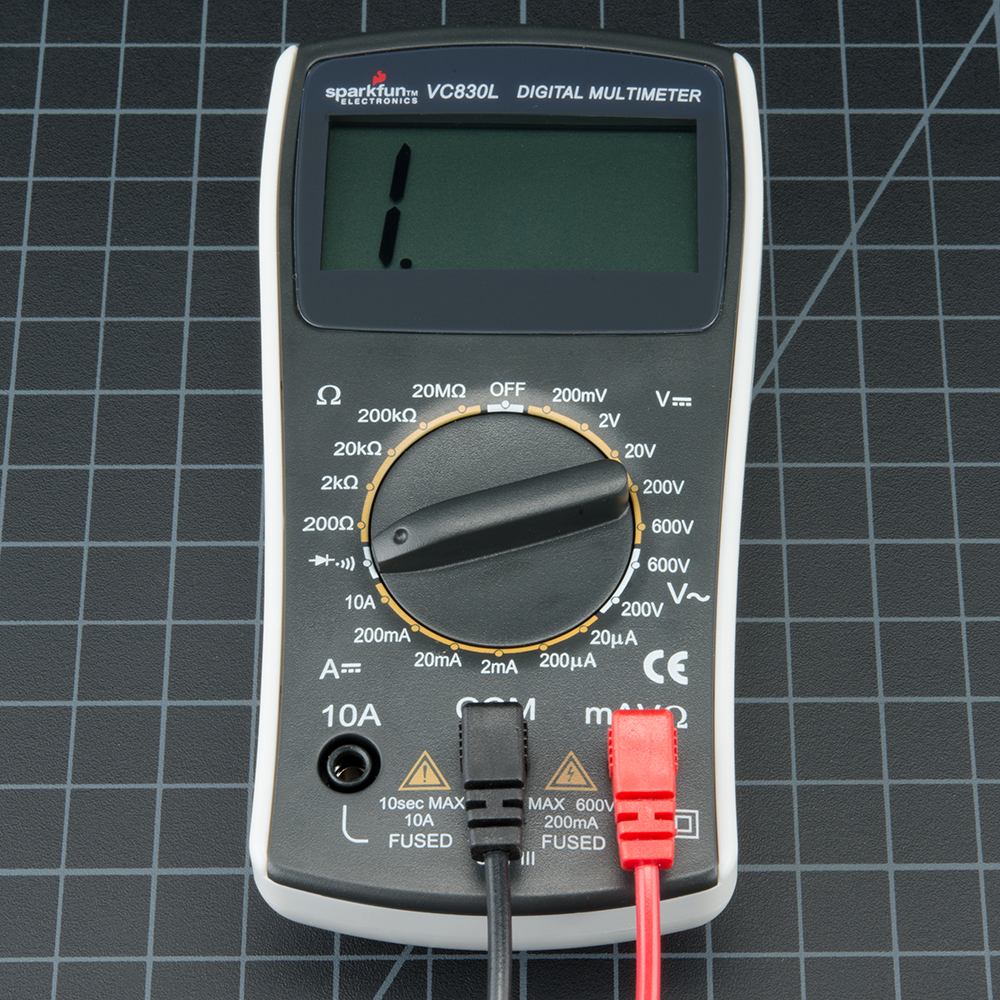


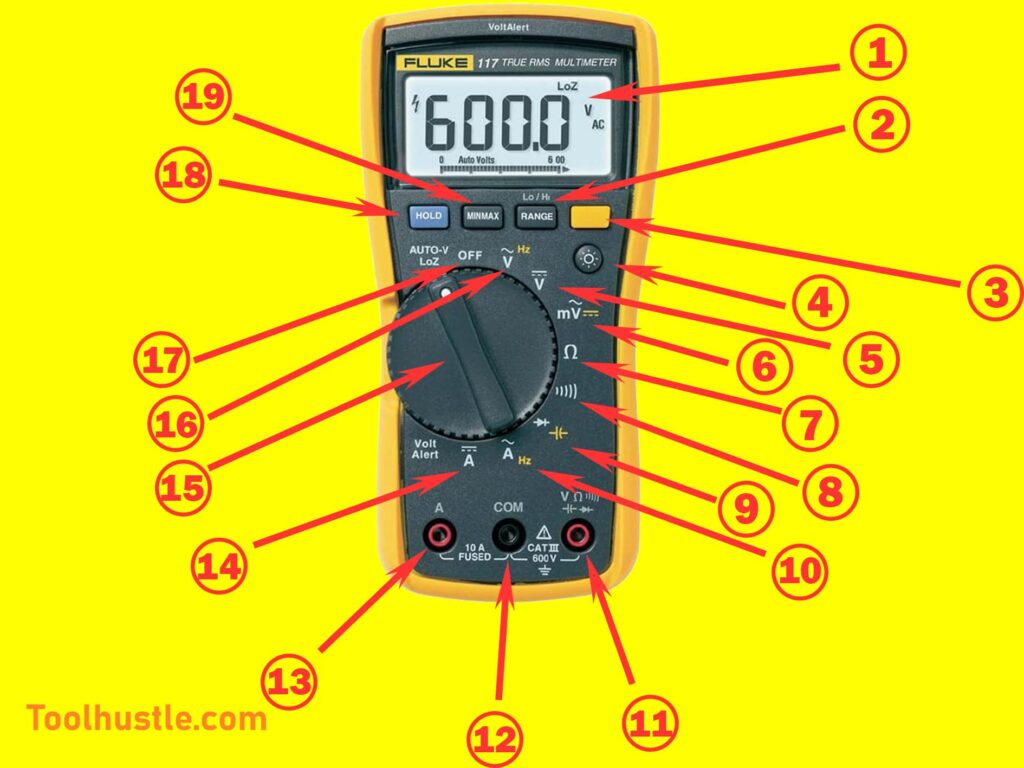

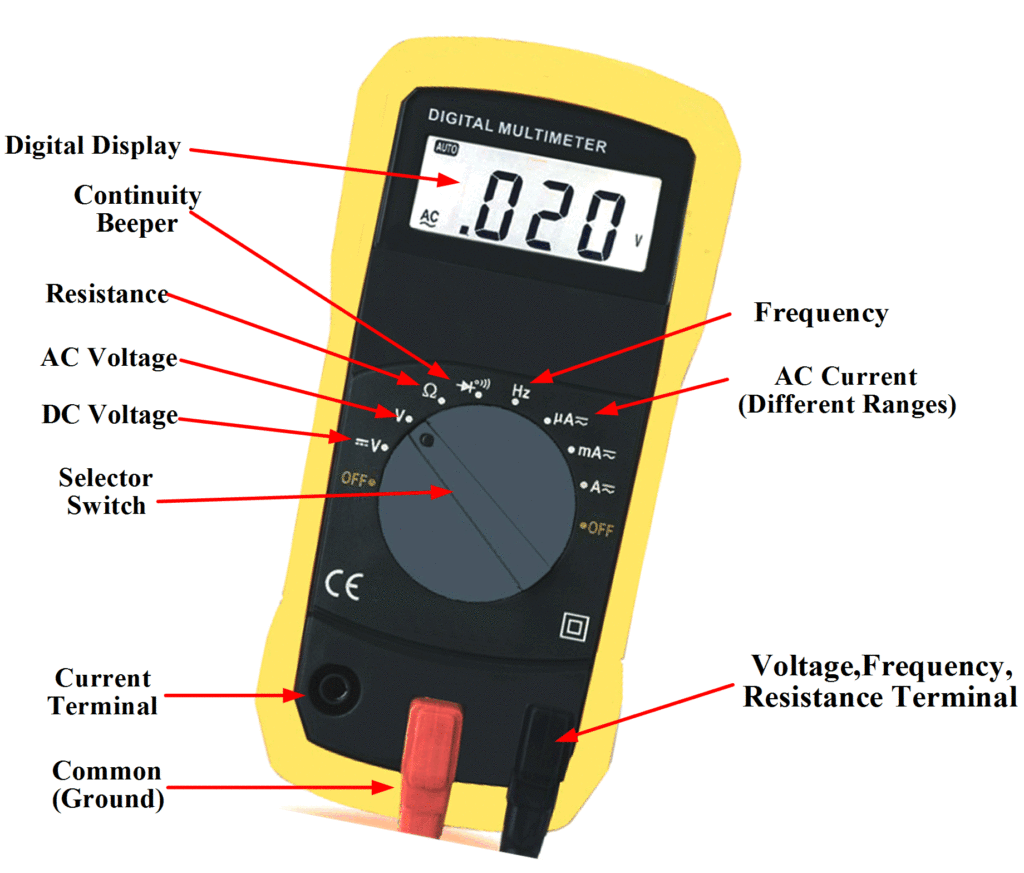
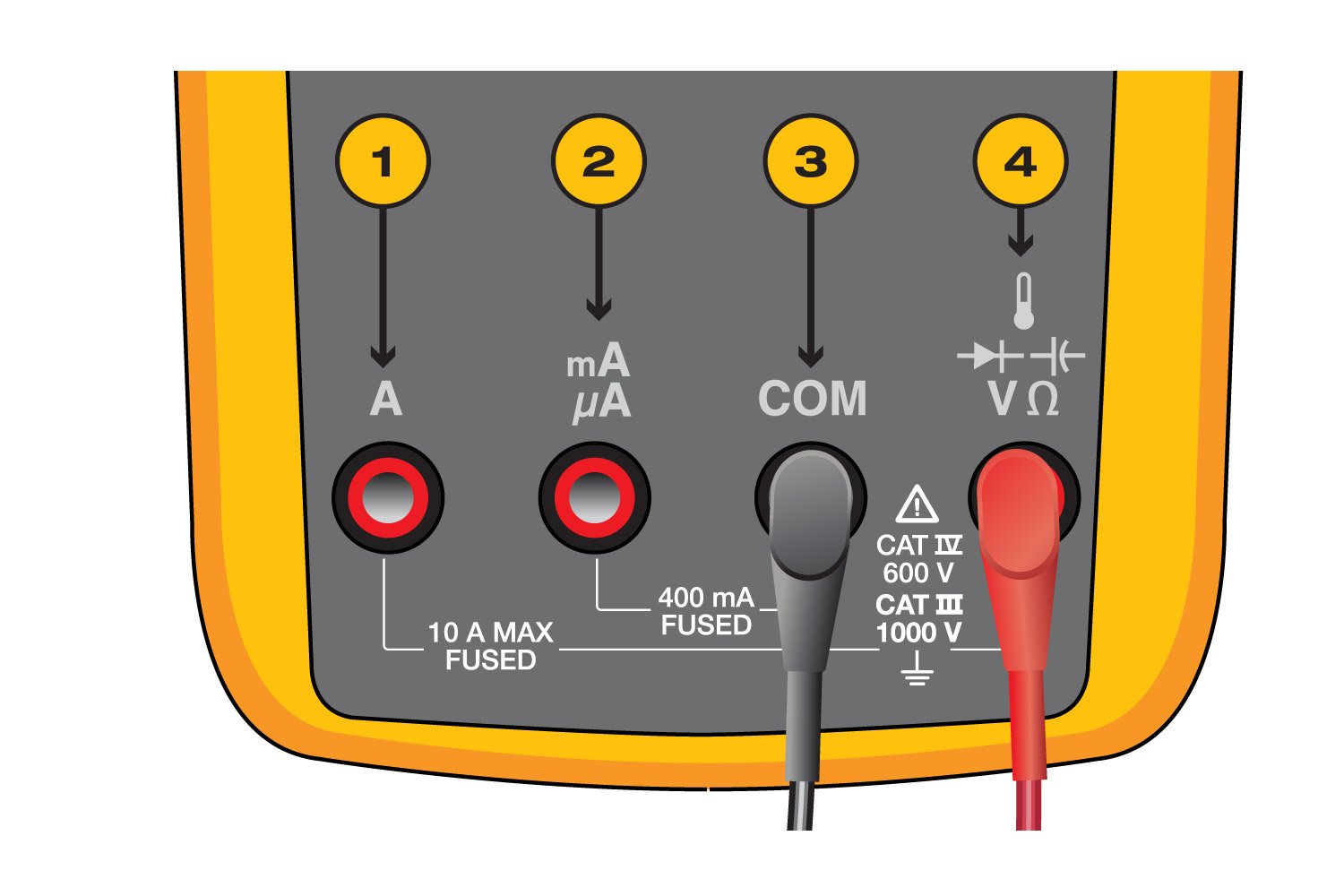
There are two main types of multimeters — analog and digital. Both measure current in amps, resistance in ohms, and voltage in volts. Analog meters use a needle to render measurements, however, today most people use digital versions as they deliver elevated accuracy. For more info, check out my guide to the Different Types of Digital Multimeters.. To use a multimeter, you must first select the correct symbol on the dial and plug the leads into the correct ports. In 1920, British Post Office engineer Donald Macadie invented the multimeter. Macadie reportedly became frustrated with having to carry around multiple meters and tools.