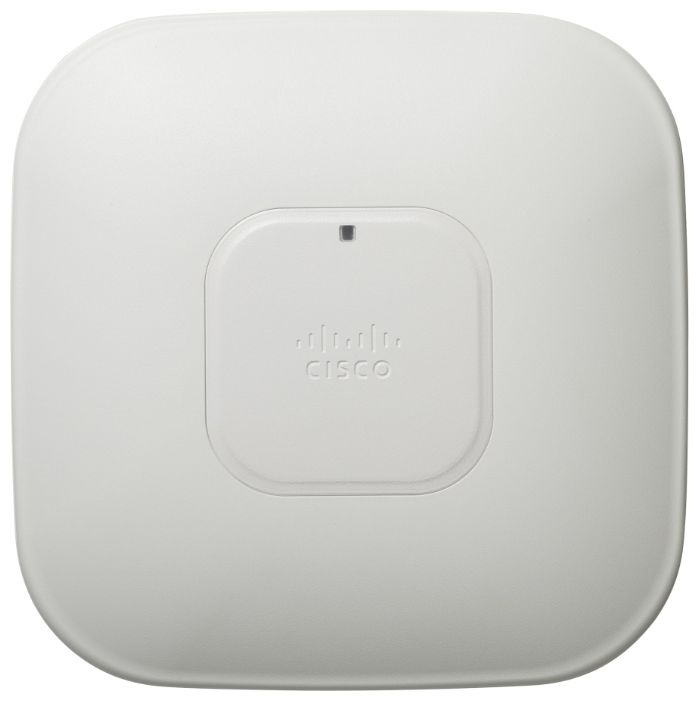
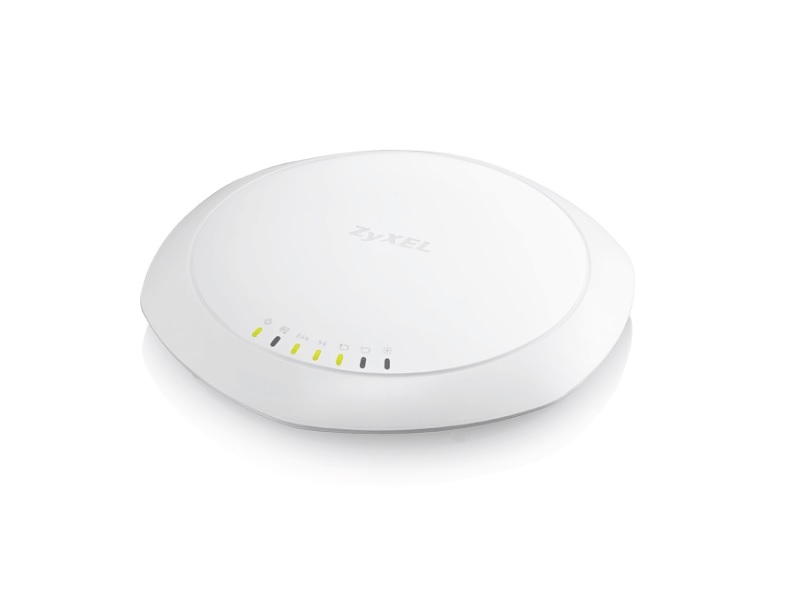
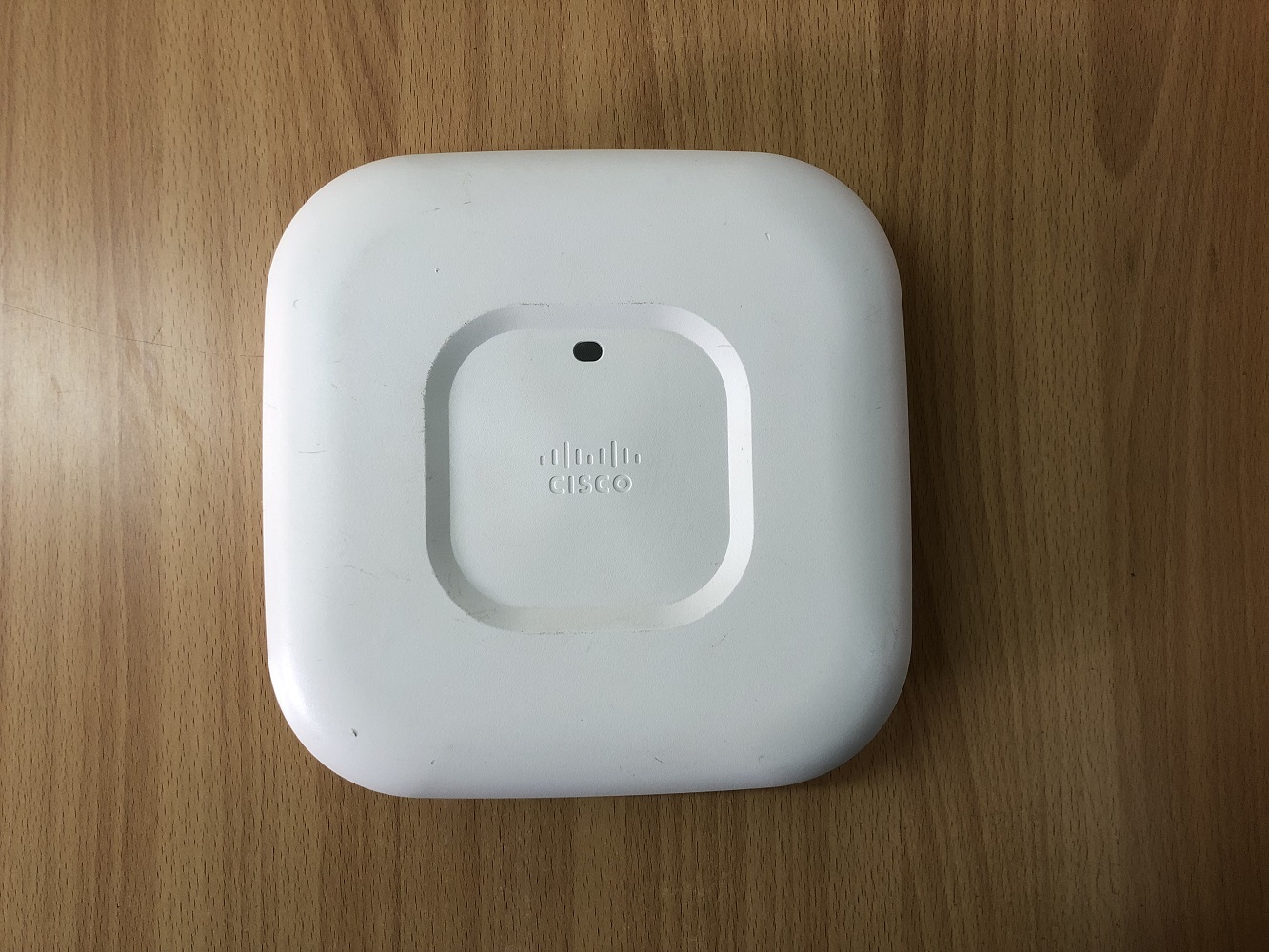
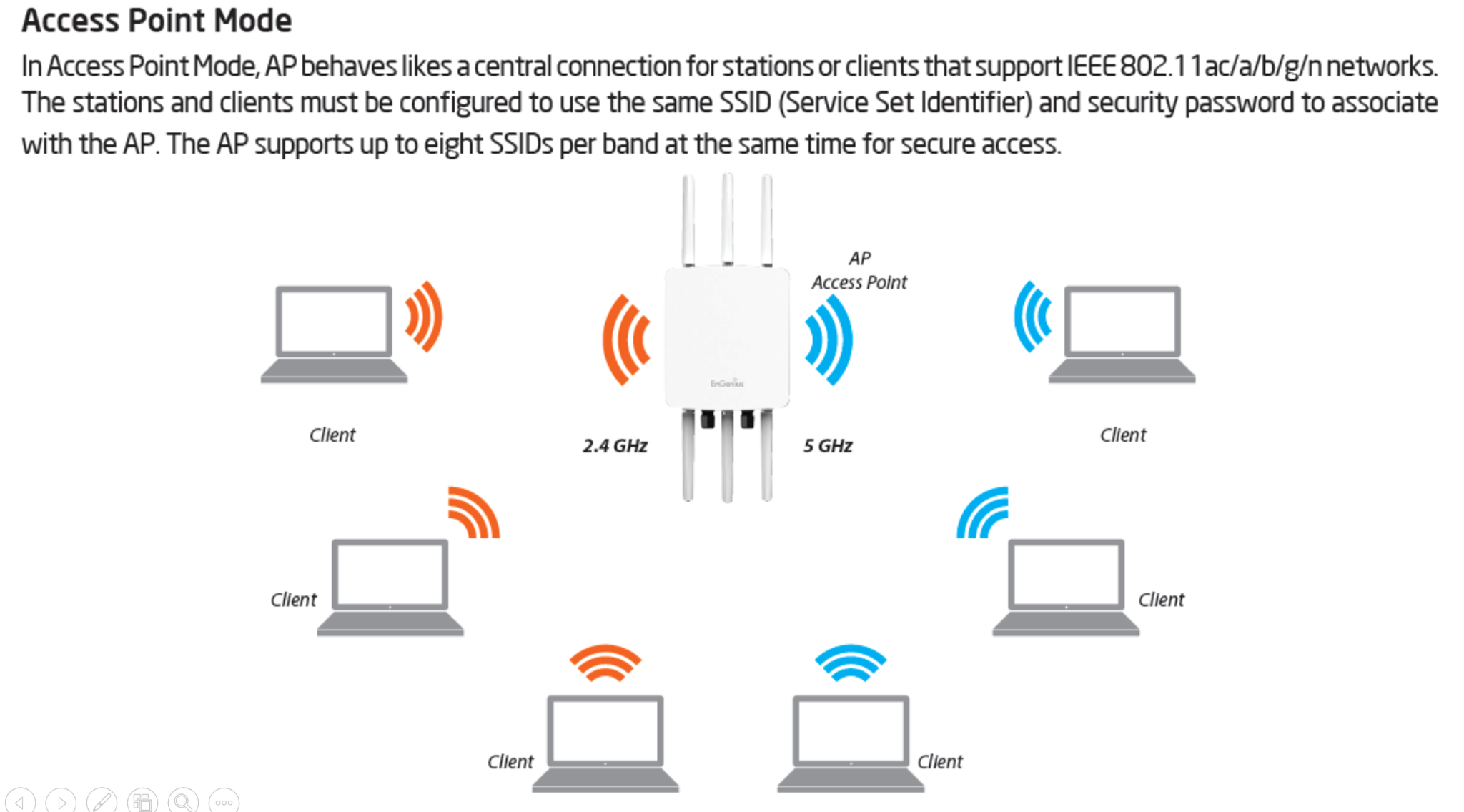
Standalone AP. A standalone access point provides the same functionality in a wireless network that a switch or hub provides in a wired network. It accepts frames, i.e. information at the data link layer of the OSI model, from the connected device and forwards it to the destination device based on its physical address.. Standalone access point. A standalone access point provides the same functionality in wireless network which a switch or hub provides in the wired network. It provides connectivity between the different wireless devices. It accepts frame from the connected device and, based on its physical address, forwards it to the destination device.












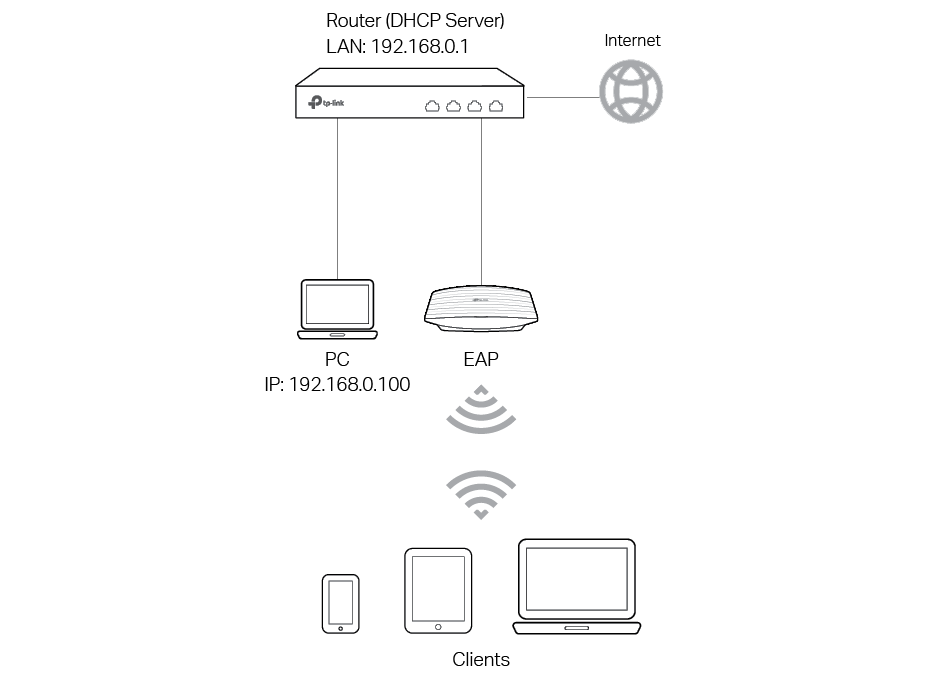

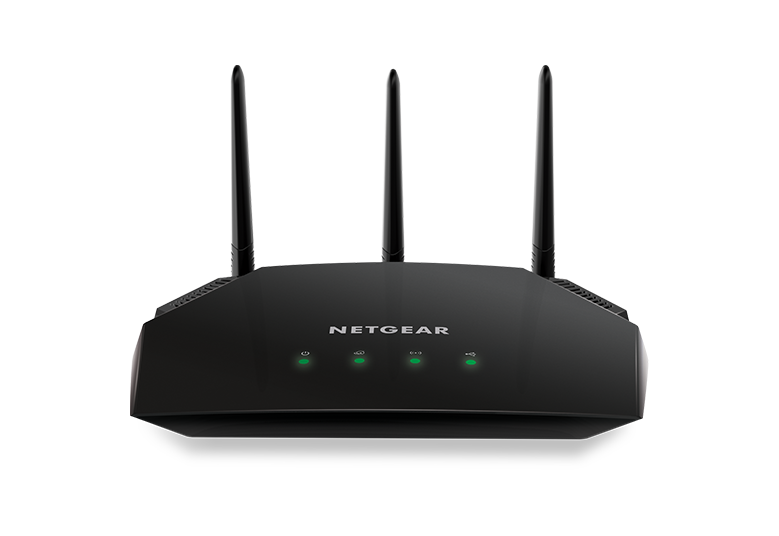
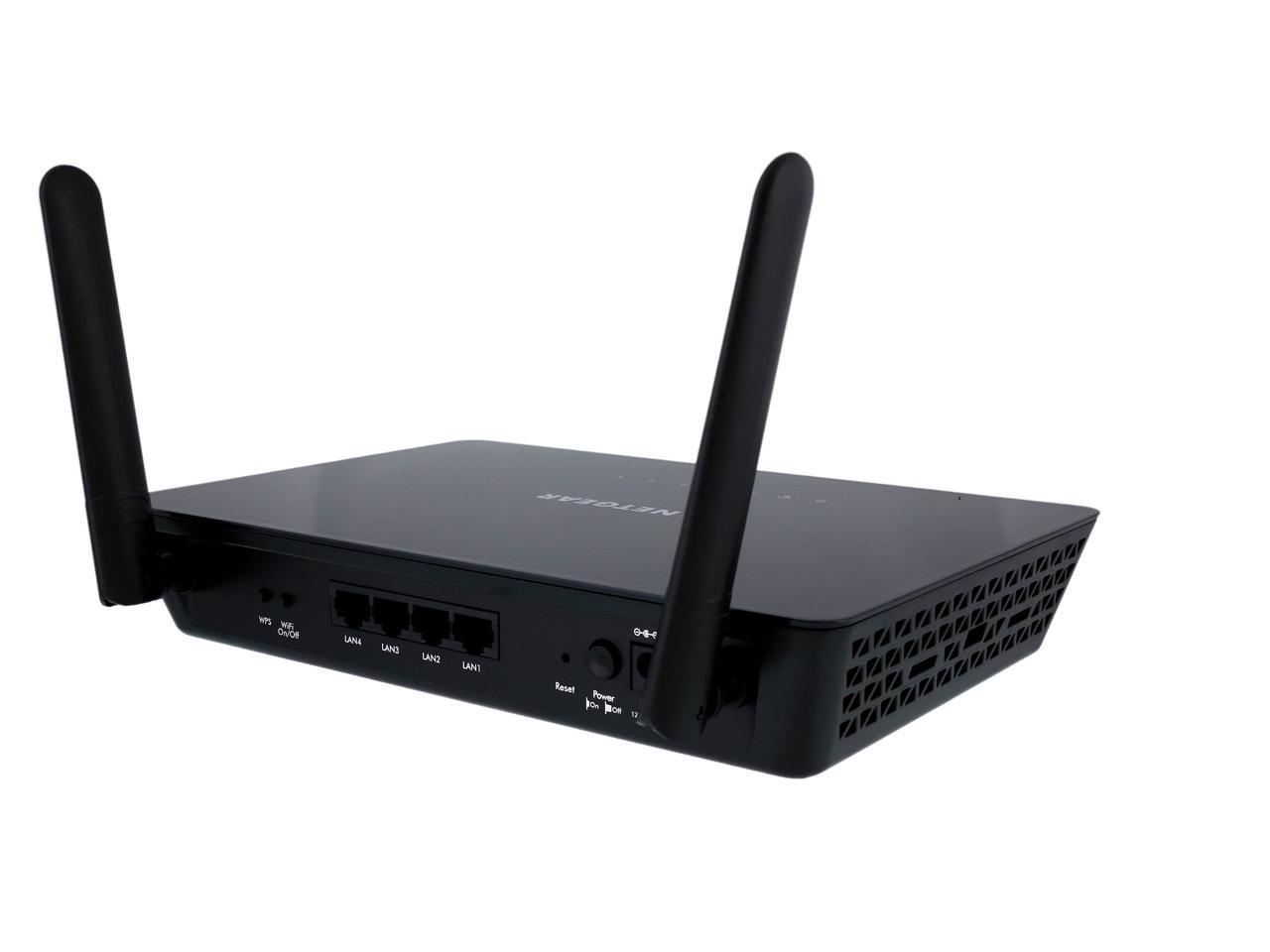
A standalone access point: When you change its role into such or turn off its routing function. A non-Wi-Fi router: When you turn off its Wi-Fi function. The cabinet below highlights the roles of most Wi-Fi routers. Popular roles of a Wi-Fi router. Below is the breakdown of four typical roles of a router. Not all hardware supports all of these.. The users could also be integrated with the existing NAC policies of the wired network. Many stand alone access points cannot do this. Security: While most of the stand alone access points can identify a rogue access point and provide some basic IDS functions, controller based access points can do much more. They can dedicate a radio (or whole.