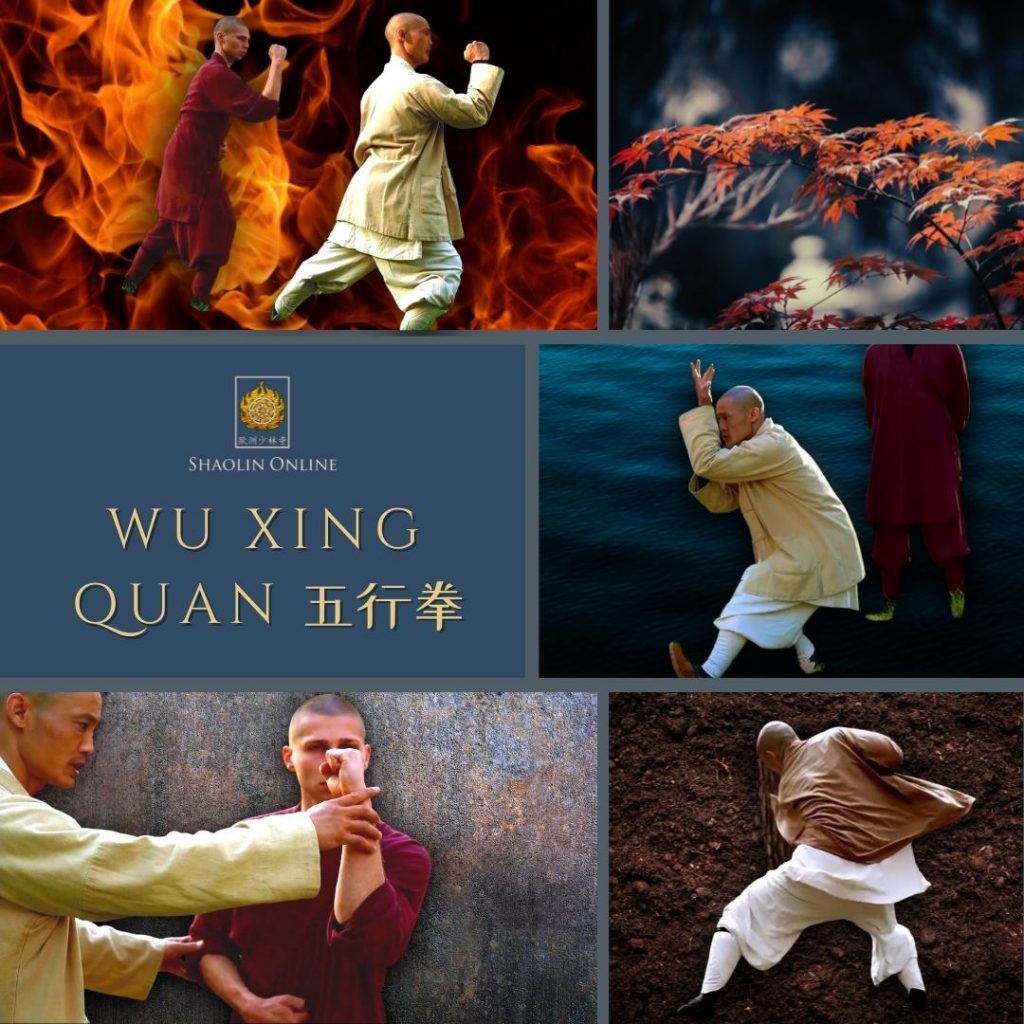
Wu Xing is also called the five-element theory of Chinese philosophy. The "Five Elements" are commonly described as a so-called endless loop that influences people's fate and many other things. Tai-chi certainly uses this theory to designate various positions and directions.. Explore the profound concepts of Wu Xing, the Theory of Five Elements, which elucidates the interplay of fundamental elements in nature and society, guiding everything from astronomy and medicine to art and ethics in ancient Chinese civilization.


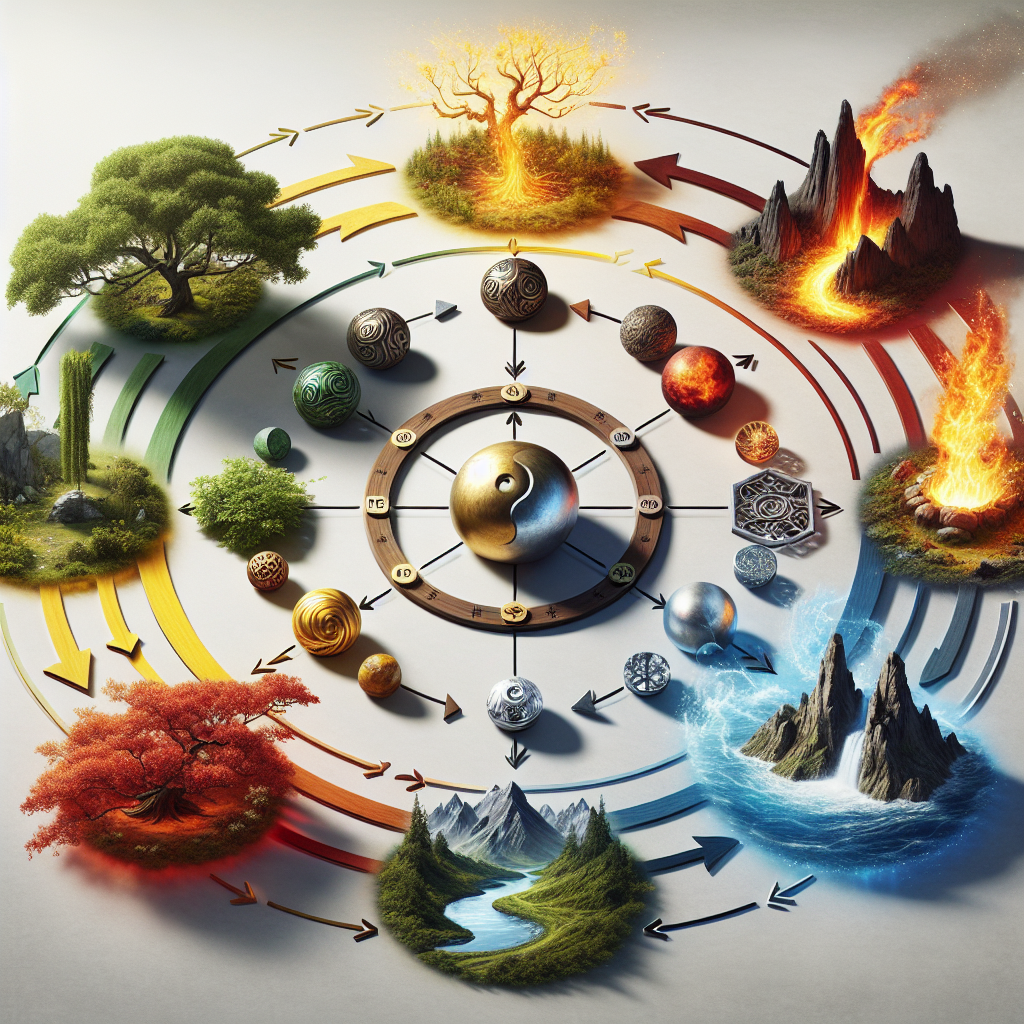











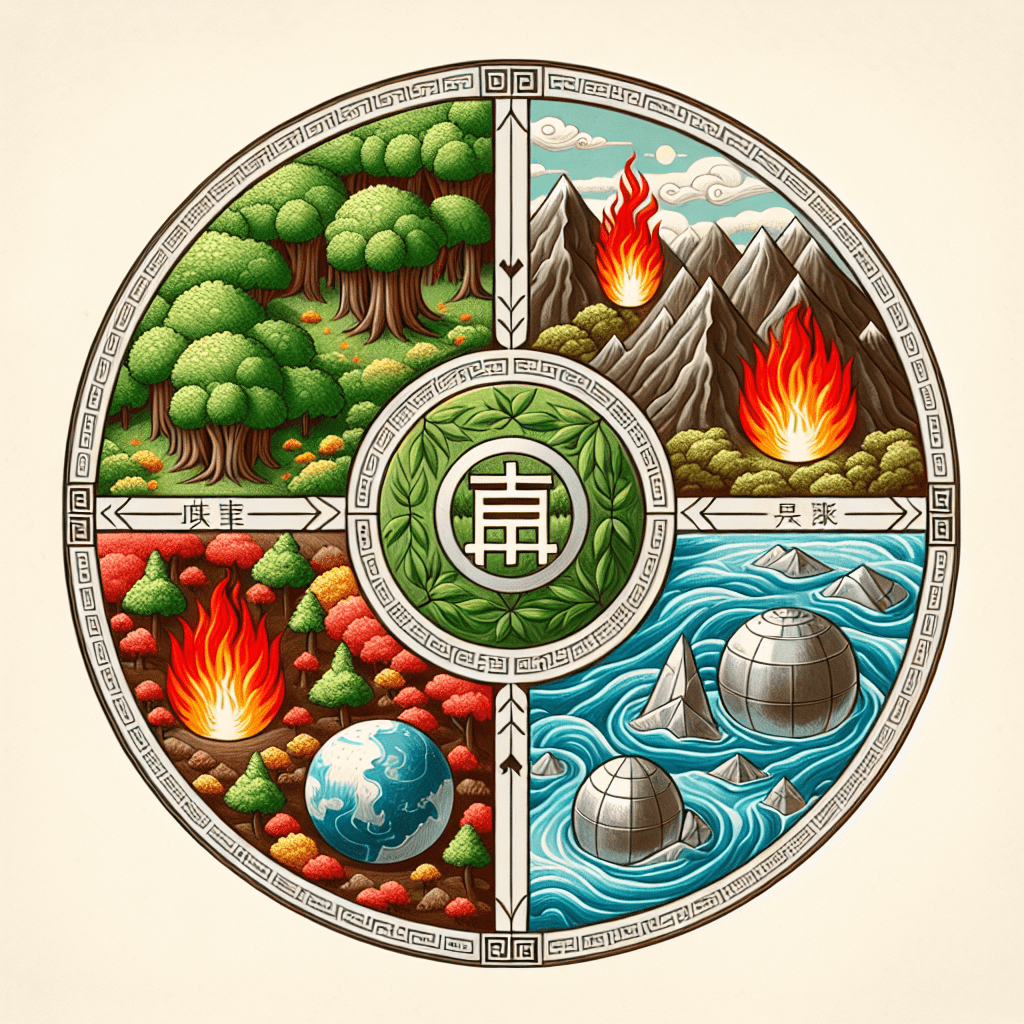





Tablet in the Temple of Heaven of Beijing, written in Chinese and Manchu, dedicated to the gods of the Five Movements. The Manchu word usiha, meaning "star", explains that this tablet is dedicated to the five planets, Jupiter, Mars, Saturn, Venus and Mercury, and the movements which they govern. Wuxing (Chinese: 五行; pinyin: wǔxíng; Jyutping: Ng5 Hang4), [a] translated as Five Moving Ones.. 五行行 The "Five Phases" is an extremely important concept in Chinese philosophy and was used in explaining the development and change in nature and society. It had an extensive and profound impact on Chinese philosophy, politics, ethics, religion, technology, medicine, agriculture, architecture and the entirety of traditional Chinese culture. The philosophy of the five phases is one of.