The offer combines financial details with the nuances of negotiation, and it's the first step in reaching an agreement and closing on a house. To help you craft an offer on a home and understand the offer acceptance process, we've broken down the steps to both making and accepting an offer on a house. Here's what you need to know:. Here, we will take you through that process to make sure getting an offer accepted means moving into that dream home. What happens after your offer is accepted? You've had your offer accepted — congratulations. This means the house is officially "under contract," and you've entered into a legally binding agreement.











:quality(80) "Accepting an Offer on My House This Is What You Do Next")
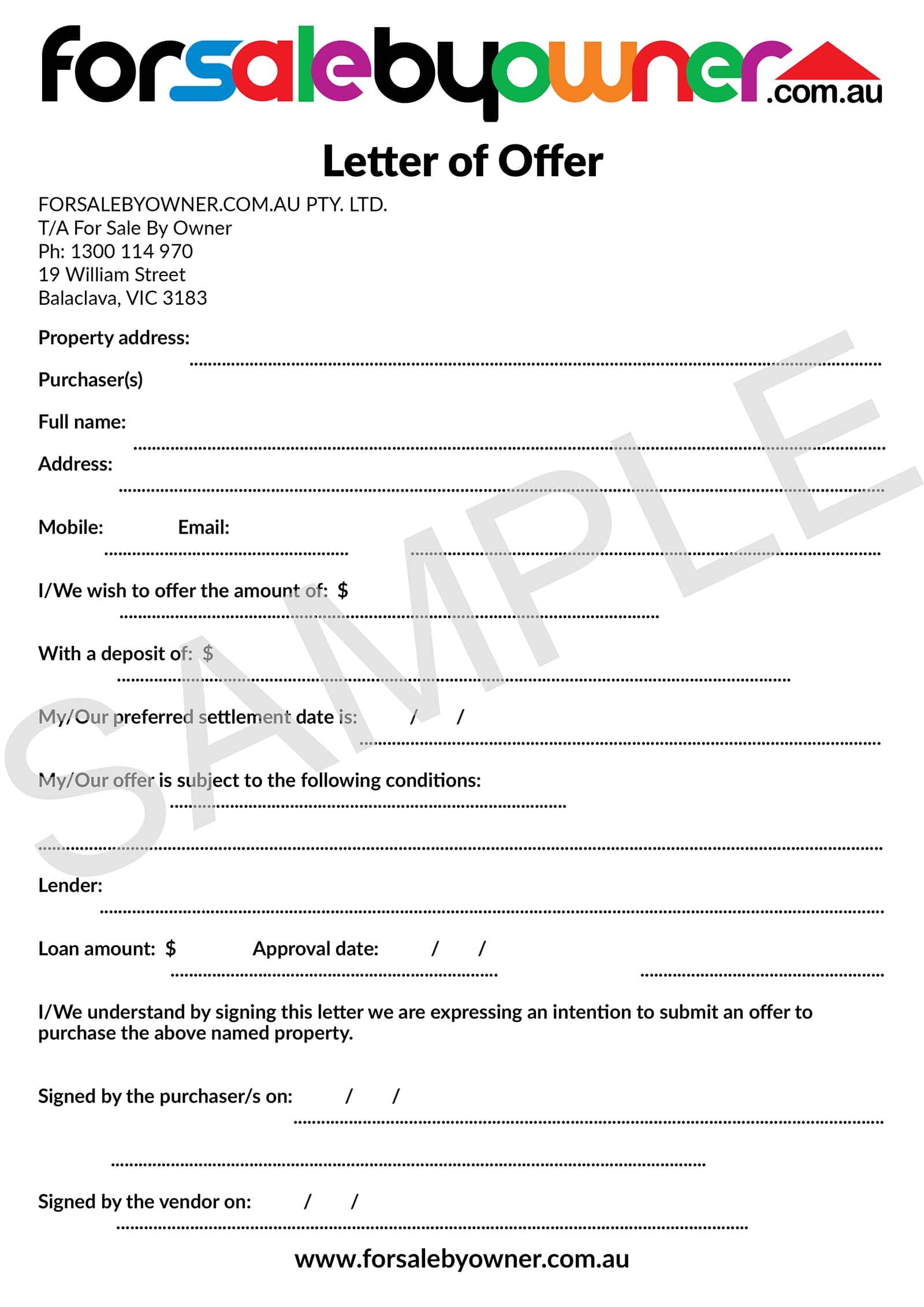



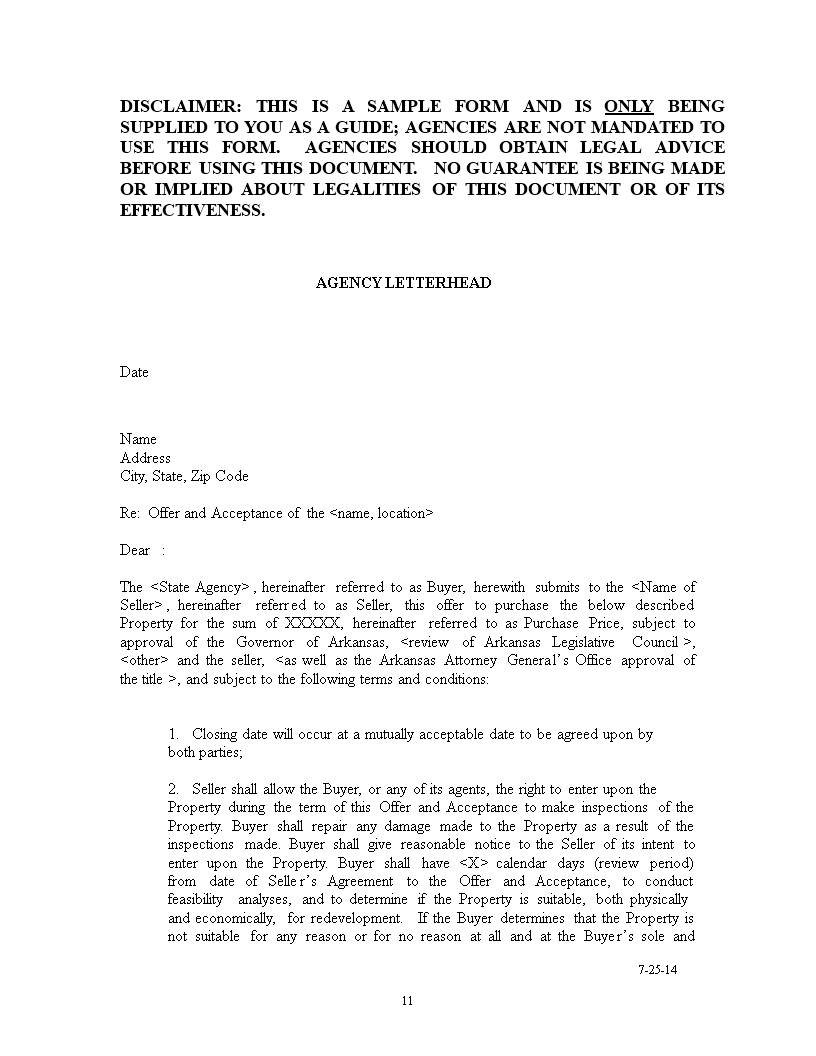



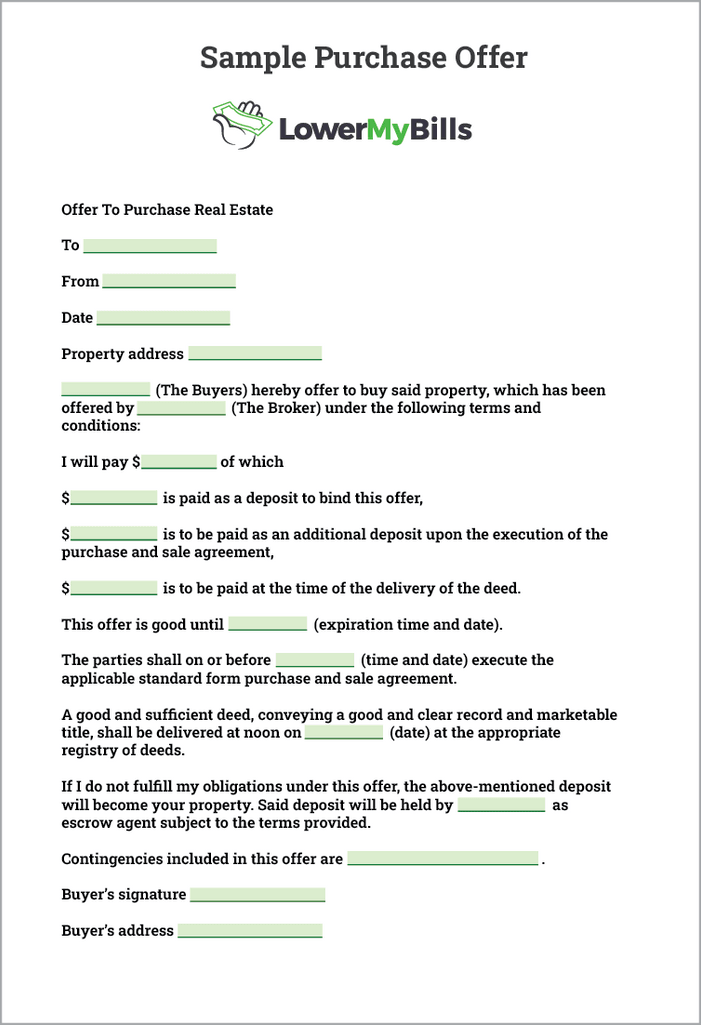
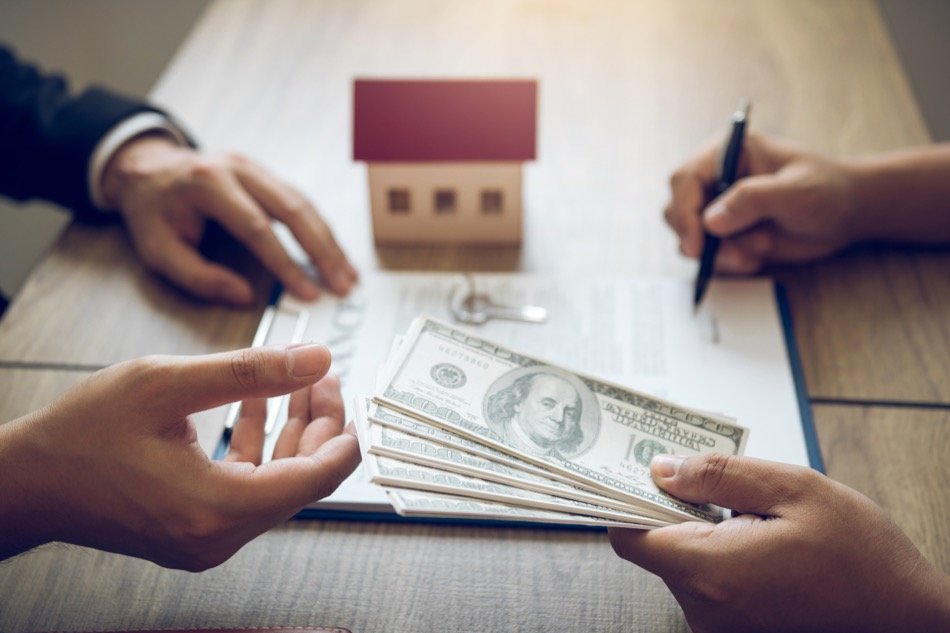

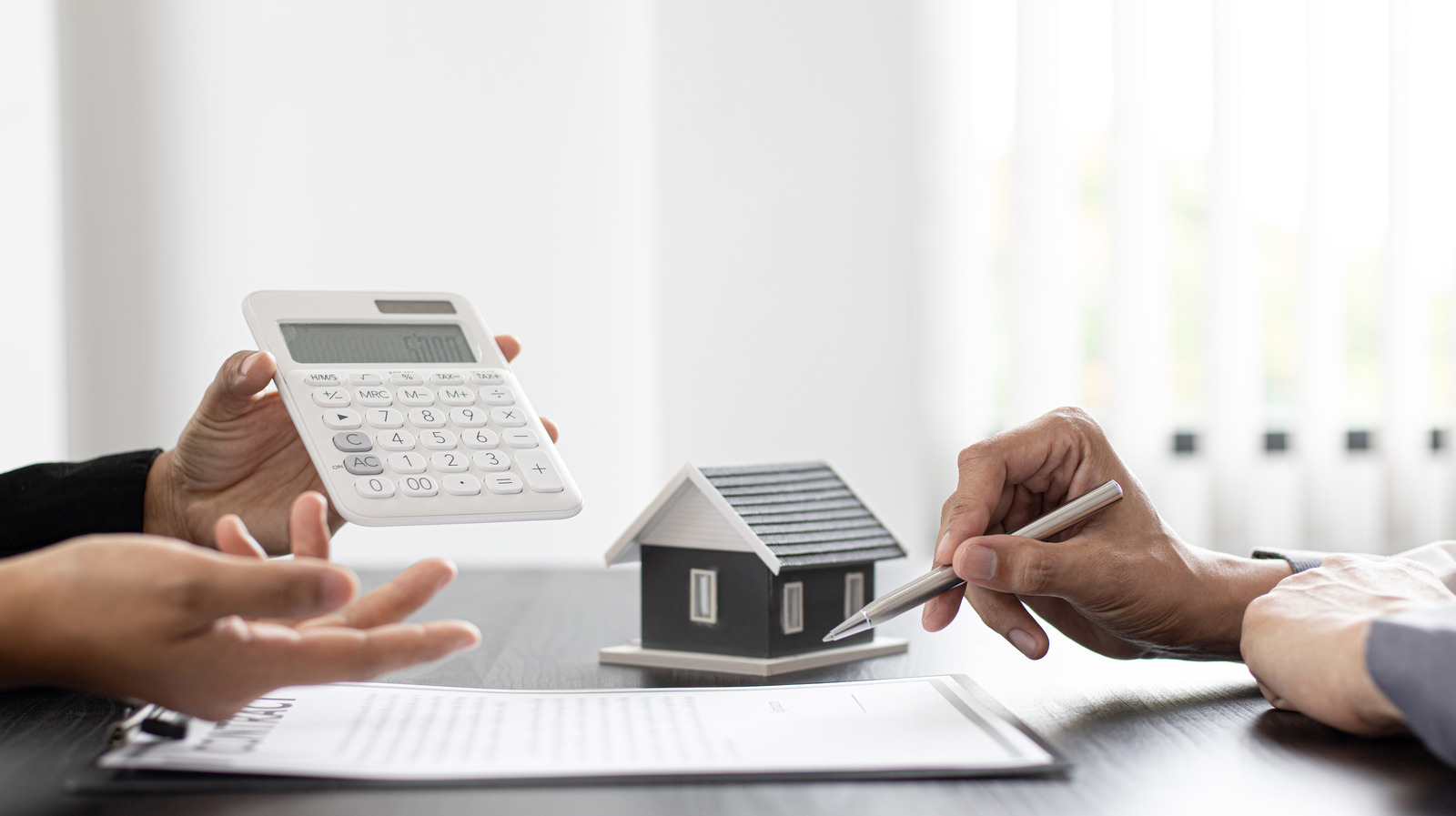
Here's why you should take the first offer seriously Should you take the first offer on your house? It depends. Sometimes it works out to negotiate or wait for another offer, but an old real estate adage states that the first offer is the best offer. Even if the offer is disappointing, there may be good reasons to give it serious consideration.. An offer on a house includes price, contingencies, earnest money, and a proposed closing date. Strong offers are backed by a mortgage pre-approval and competitive terms like flexible move-in dates. Sellers may counter, accept, or reject a buyer's offer; be prepared to negotiate on key points and lean on your real estate agent for guidance.