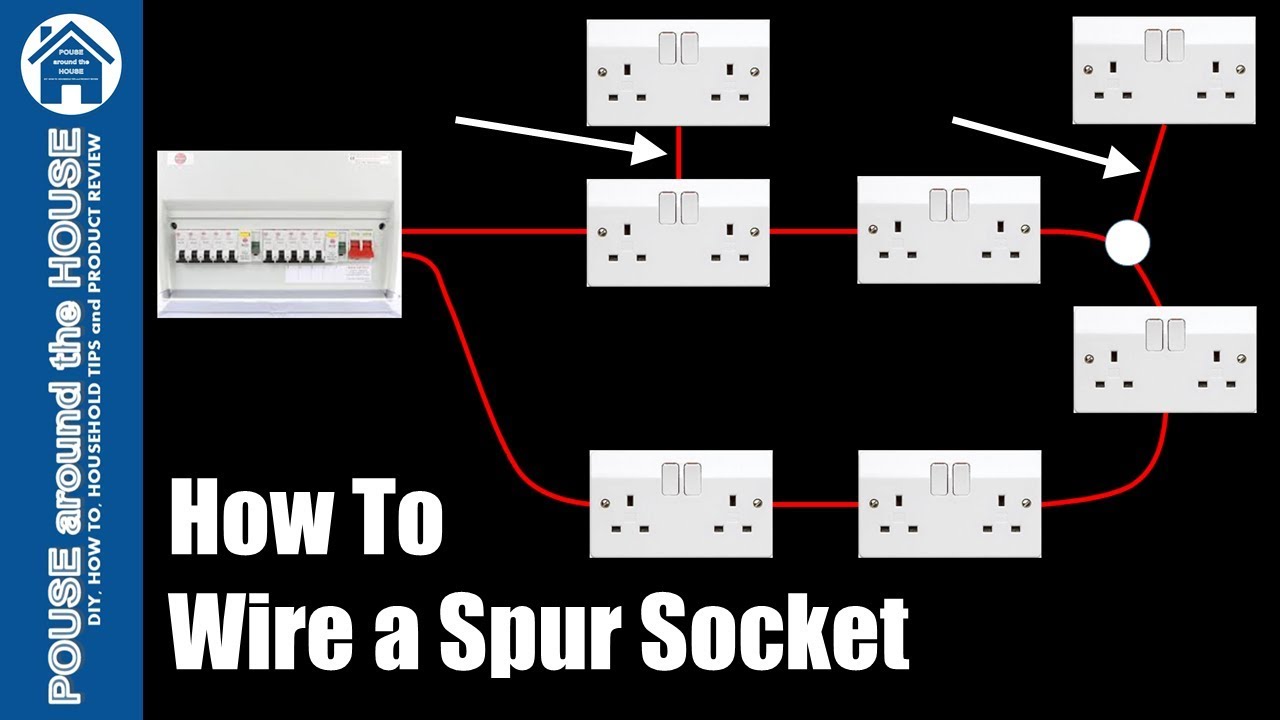
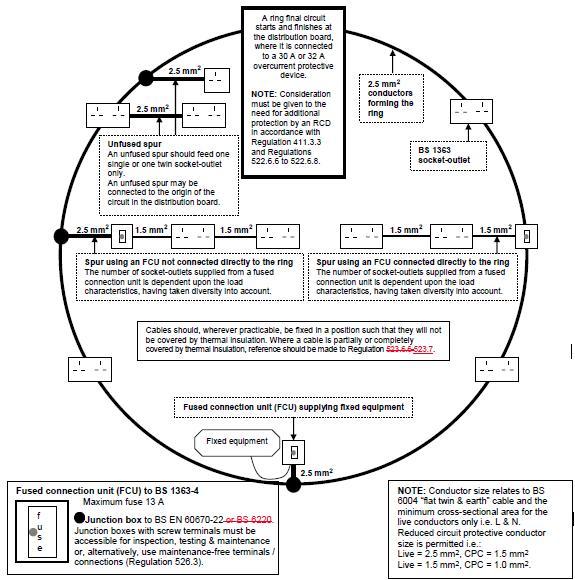
Branches know as spurs may be taken off the ring from any socket or by breaking into one of the cables of the ring. They can either be non-fused which connect directly to the ring or can be a fused spur which connect to the ring via a switched or unswitched-fused connection unit.. Its one spur off a double socket on a ring main. If a 13 amp fuse is put in the line between the supply and new socket, you can have as many sockets leading off as you like. If you take a 2.5 from the board on a 20 amp you can have as many sockets as you like on this radial, however must be designed to allow for diversity etc.



.jpg?strip=all "What Is A Spur In Ring Circuit")





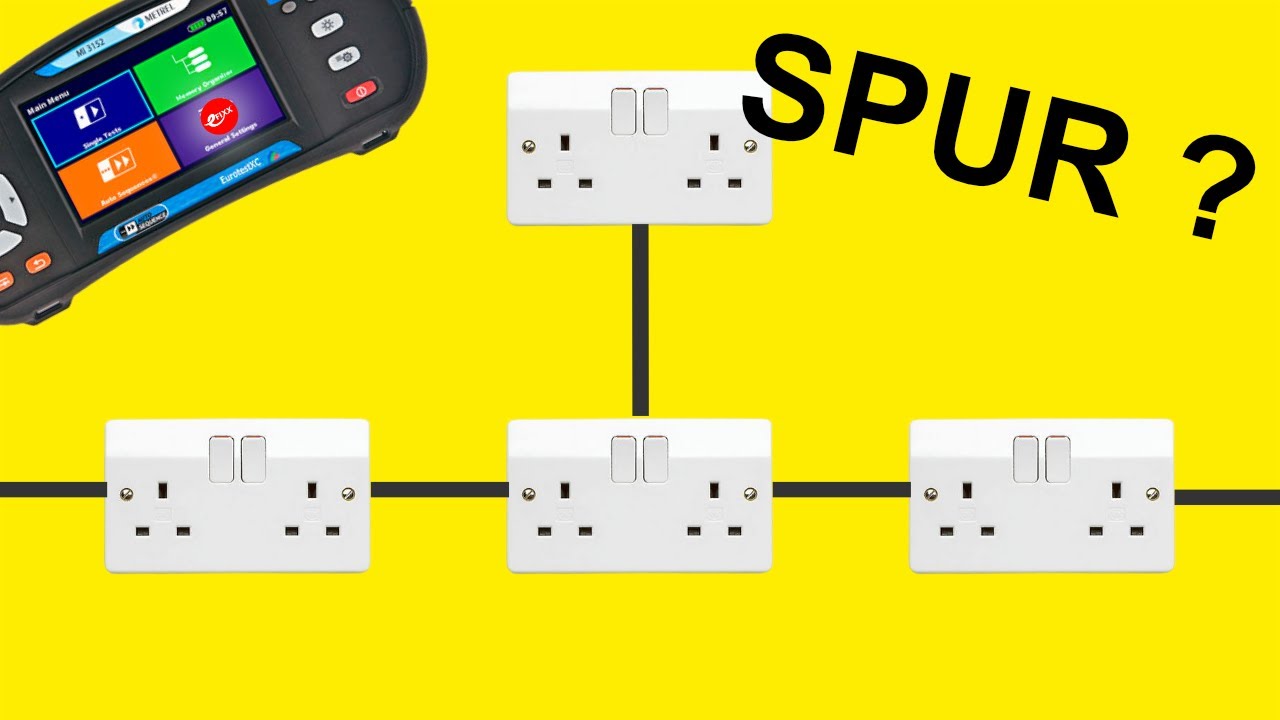


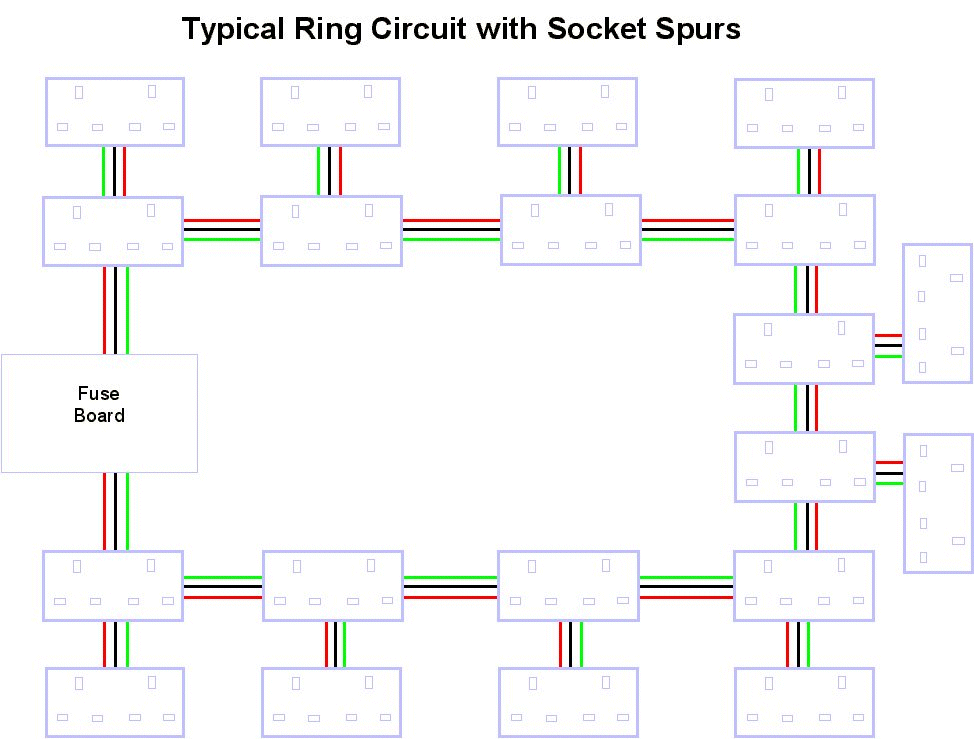
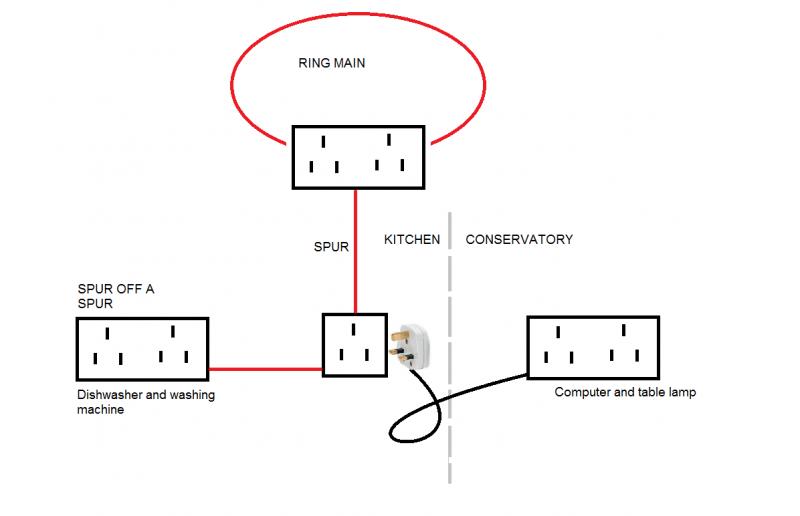
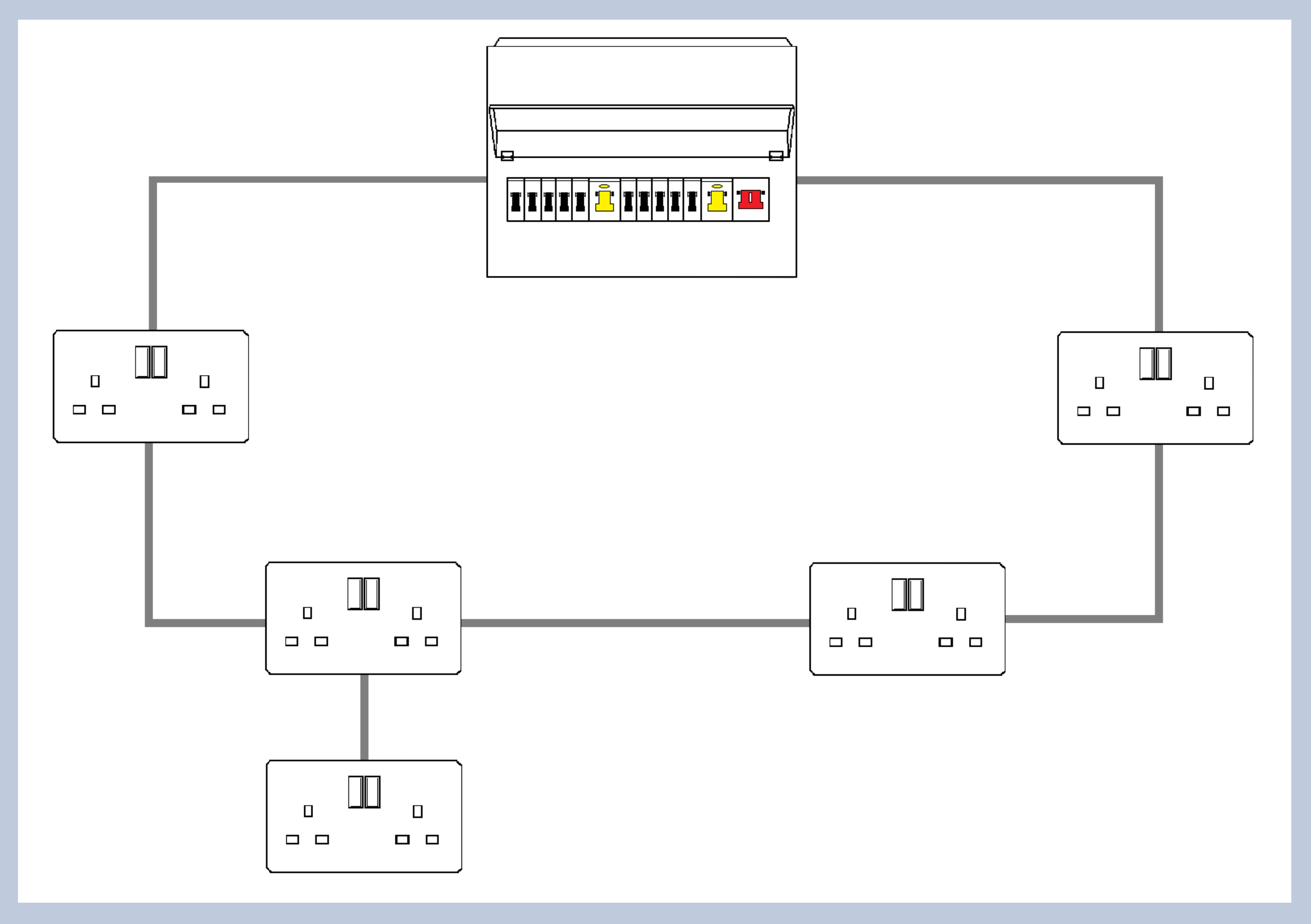


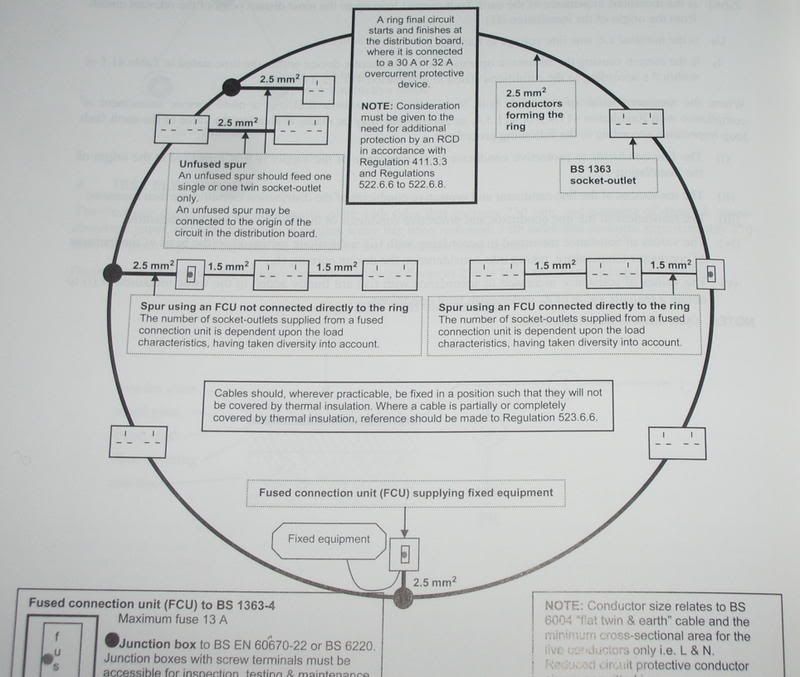
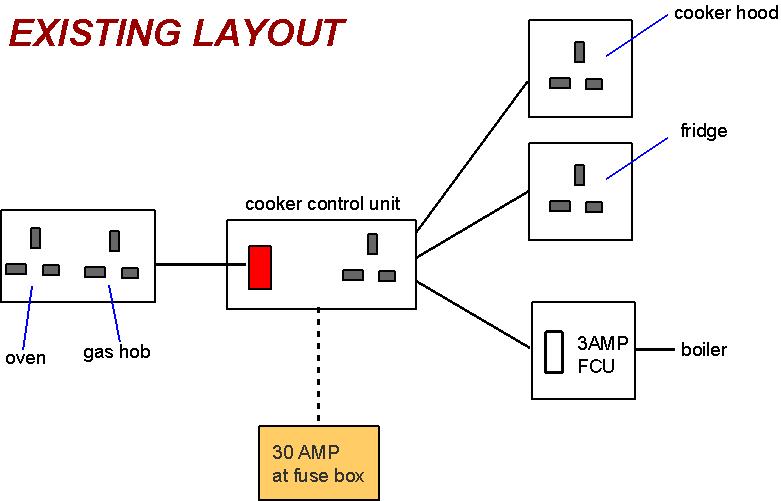

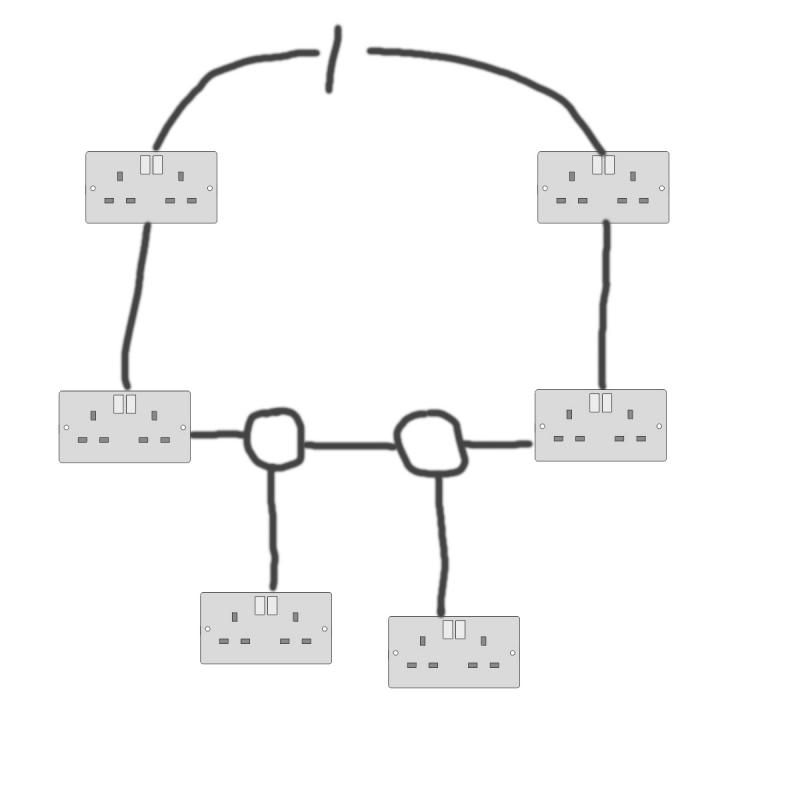
A "spur" is essentially an extension from the main ring. Think of it as a little side stream branching off the main river. You might add a spur to reach a socket that's a bit out of the way, or maybe you want a dedicated socket for something important, like your fancy coffee machine or that gaming PC that hums like a small jet engine.. What are the rules for spurs off a ring final circuit? An unfused spur may supply only one single or one double socket-outlet, or one item of fixed equipment, connected at a socket on the ring, at a junction box, or at the origin (IET On-Site Guide, ring final arrangements in Appendix 15). A fused spur runs from a fused connection unit (BS 1363-4, normally fused at 13 A) and can supply any.