The article explains the physics behind the unique shape of water wakes. Water waves travel at different speeds due to dispersion, causing slower waves to create narrow, closely spaced V-shaped wakes, and faster waves to create wider V-shaped wakes that are further apart. When all these different patterns are combined, they result in the distinct feathery ripple pattern of water wakes.. If you look at the wake behind a duck, or a kayak, or a ship, you might notice two things: first, it's a feathery, rippled pattern, and second, that pattern looks the same regardless of whether it's made by a duck, kayak, or ship— even though they're all moving at different speeds and the waves are different sizes. How is this possible? Minutephysics digs into the Kelvin wake pattern.


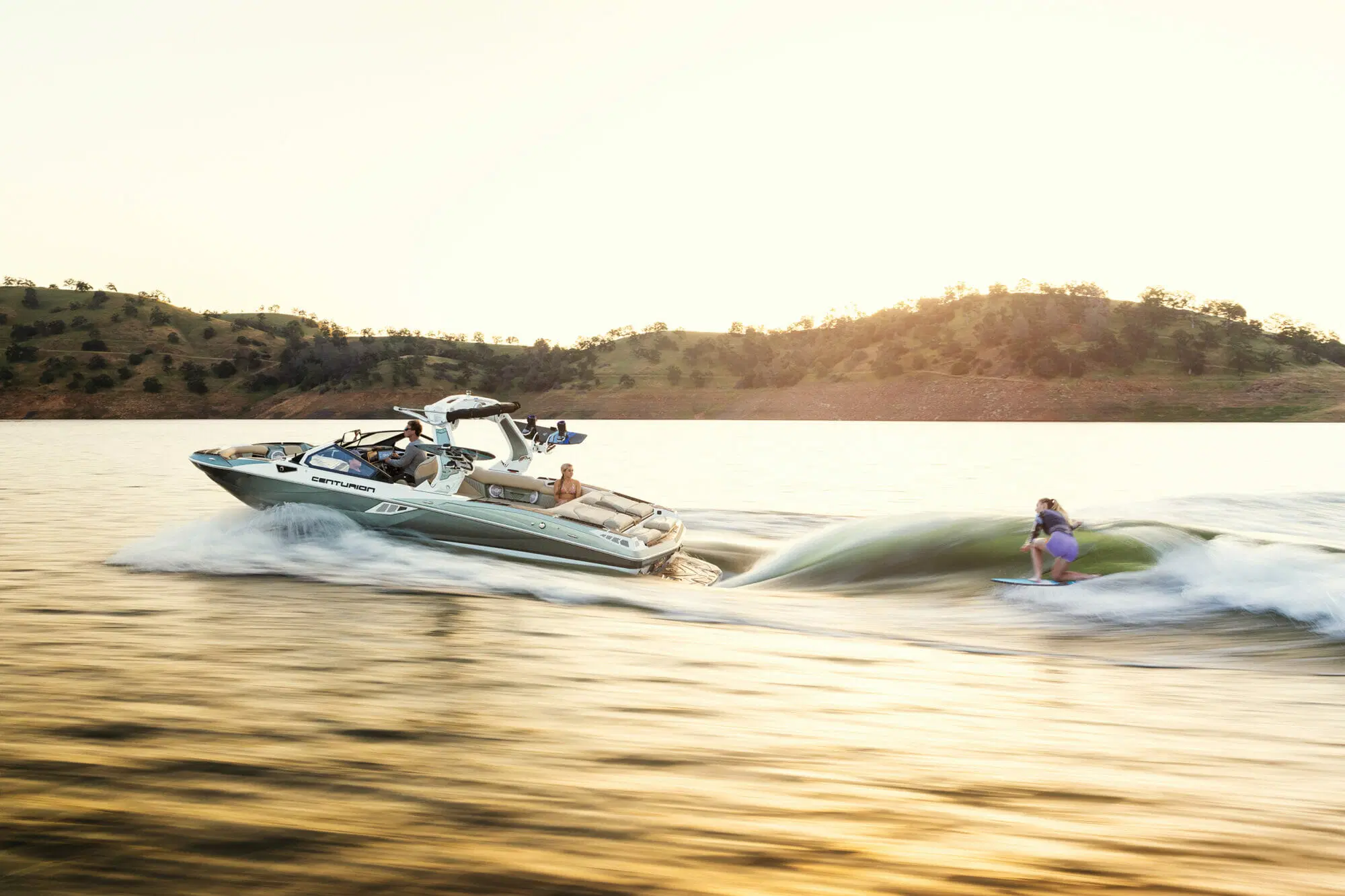
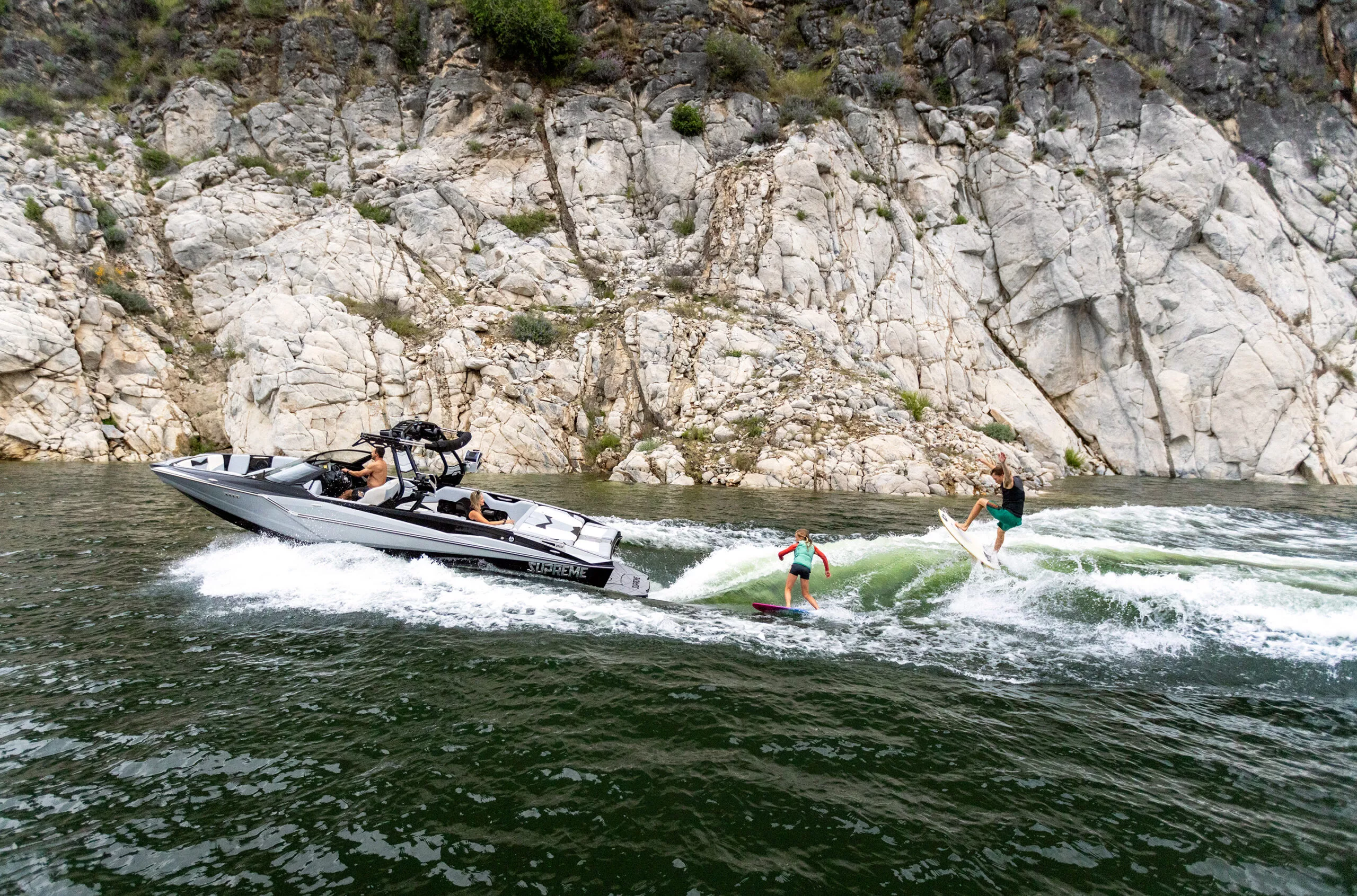



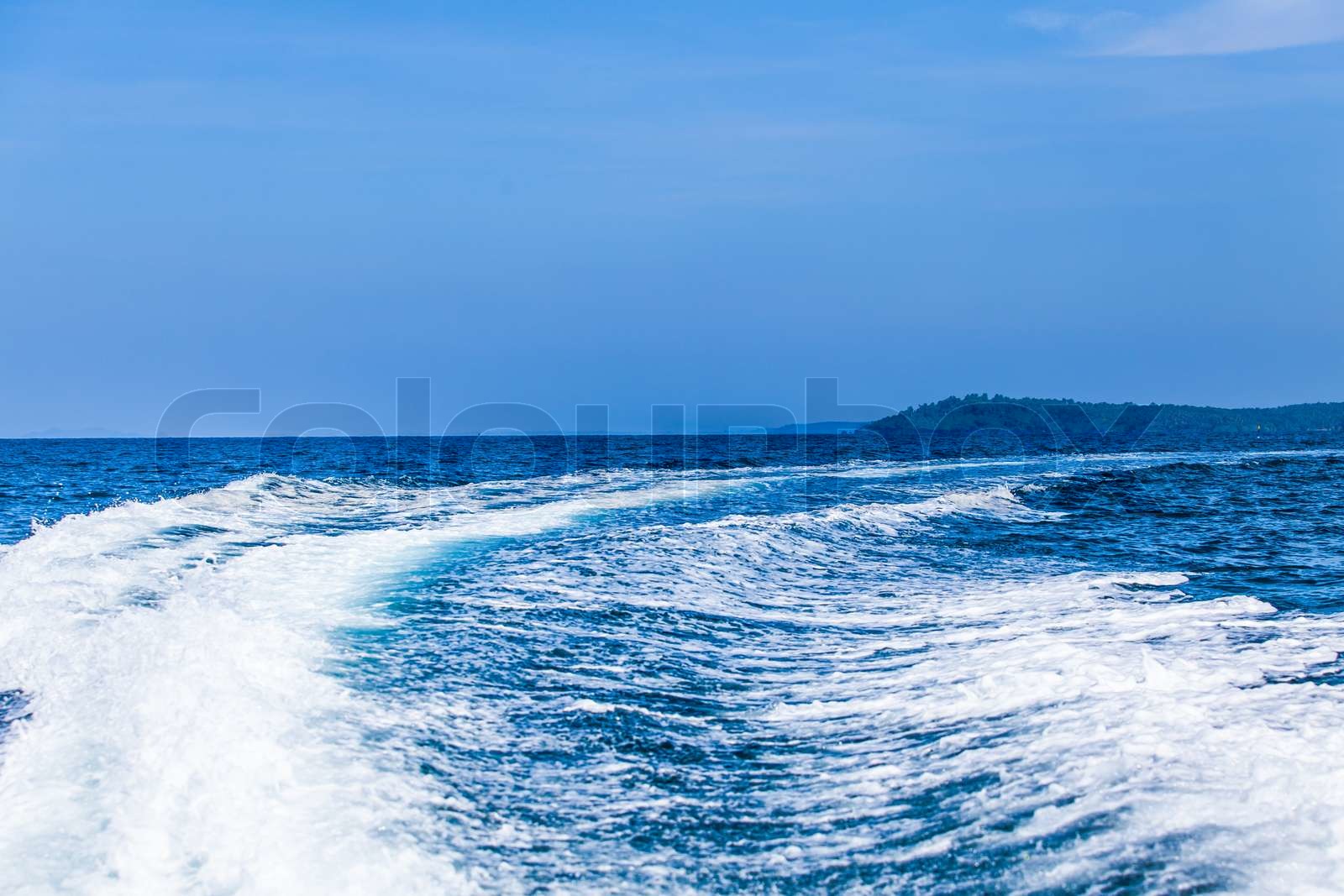






Kelvin wake pattern generated by a small boat. In fluid dynamics, a wake may either be: the region of recirculating flow immediately behind a moving or stationary blunt body, caused by viscosity, which may be accompanied by flow separation and turbulence, or the wave pattern on the water surface downstream of an object in a flow, or produced by a moving object (e.g. a ship), caused by density.. Discover the complex behavior of wakes created by moving cylinders. Ever wonder what happens when a cylinder, like a soda can, starts to shake or wiggle in.